
MAGA vs Liberal Makeup: How America's Political Divide Is Showing Up on Women's Faces
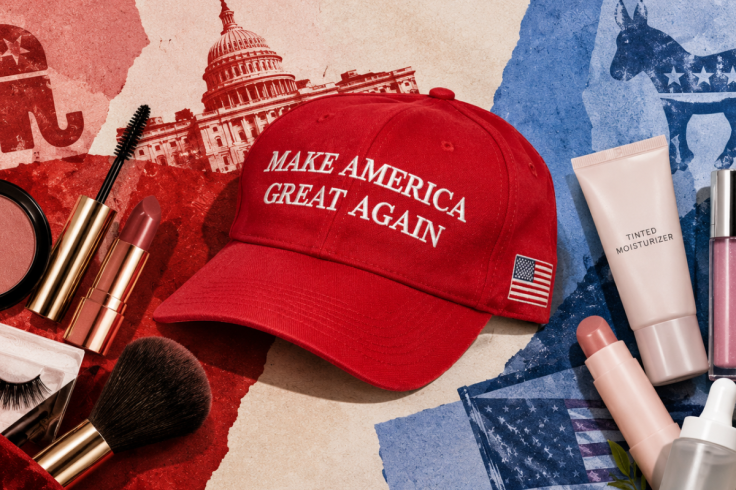
American politics is showing up in an unexpected place: the makeup bag. Among some prominent MAGA supporters, heavily defined brows, dramatic lashes, sculpted cheeks and glossy lips have become associated with a particular image of conservative femininity.
Meanwhile, minimalist makeup is often linked to liberal values and natural beauty. The divide is not universal, and cosmetics cannot reliably reveal someone's political beliefs, but America's beauty industry increasingly reflects the country's cultural tensions.
How Heavy Makeup Became Associated With MAGA
Makeup artist Gina Dadonna has described conservative beauty as more polished and full coverage. In a political environment where public figures are constantly photographed and scrutinised, a carefully constructed appearance can communicate confidence, glamour and social status.
The aesthetic reflects a changing image of conservative glamour. Former first lady Nancy Reagan was associated with polished styling and traditional elegance, while the contemporary MAGA look described by beauty commentators often features pronounced contouring, full lips, defined brows and dramatic lashes.
The term 'Mar-a-Lago face' has also entered discussions about the appearance associated with Trump's social circle. The label is commonly used to describe features such as heavily filled cheeks, prominent lips and a forehead with limited movement, sometimes attributed to cosmetic treatments.
However, appearance alone cannot establish whether someone has undergone a procedure. These descriptions are not proof that any particular woman has undergone cosmetic procedures.
The look is therefore about more than individual makeup choices. It has become a recognisable cultural shorthand, shaped by political visibility, celebrity influence and social media commentary.
Why Natural Beauty Became a Liberal Signal
On the other side of this perceived divide, understated makeup is sometimes associated with liberal and environmentally conscious values. The association partly reflects countercultural ideals that emphasised natural living and resistance to conventional beauty standards.
Dadonna describes a typical minimalist routine as 'just a tinted moisturiser, lip balm, and mascara'. The result suggests effortless beauty, even when achieving it requires carefully selected skincare, expensive products and considerable preparation.
Brands such as Westman Atelier have helped popularise understated complexion products, while the clean-girl aesthetic has made glowing skin, brushed-up brows and restrained colour popular across social media.
Yet the apparent simplicity can conceal its own privileges. Maintaining clear skin and healthy-looking hair may require costly treatments, specialist products and time. Natural-looking makeup is not necessarily cheaper or less labour-intensive than a dramatic look.
How Beauty Brands Turned Politics Into Business
Beauty companies have long used their campaigns, founders and celebrity partnerships to communicate values. MAC Cosmetics, for example, launched its Viva Glam lipstick campaign in 1994 to support AIDS-related causes. Rihanna's Fenty Beauty later raised expectations around inclusivity when it launched with 40 foundation shades in 2017.
These developments helped make representation a central issue in beauty marketing. Consumers increasingly expect brands to consider different skin tones, identities and experiences.
Founders' political statements can also influence how customers view their products. Huda Beauty founder Huda Kattan, for instance, has publicly spoken about Palestine, illustrating how a beauty entrepreneur's political expression can become part of a brand's wider public identity.
However, corporate positions are not always straightforward. A founder's beliefs may differ from those of a company's investors, executives or customers. Similarly, a brand's aesthetic does not necessarily reveal its political affiliations.
Why Makeup Still Crosses Political Lines
Despite the apparent divide, beauty trends rarely remain confined to one political group. The products used by makeup artists working with conservative media personalities can cross perceived political and cultural boundaries, combining drugstore cosmetics, luxury brands and international skincare products.
Social media accelerates this crossover. Influencer tutorials, product reviews and TikTok shopping encourage consumers to prioritise performance, price and appearance, sometimes regardless of the politics associated with a brand.
The growing debate over 'Mar-a-Lago face' also reveals how beauty can become a form of public judgement. Women's appearances are often treated as evidence of their values, lifestyles or political affiliations, even when those assumptions cannot be substantiated.