
Pulled Groin? Everything You Need To Know About Groin Strains in Sport and Exercise
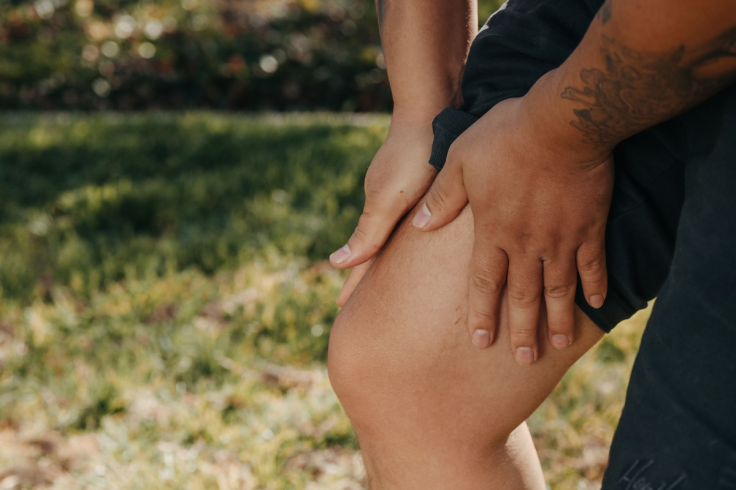
Groin strains are among the most common injuries in sport, striking footballers, hockey players and basketball stars alike, often in the space of a single stride. One sudden twist, one hard sprint, one forceful kick, and a season can unravel in an instant.
Knowing how the injury happens, how severe it is, and how to recover from it properly makes all the difference to getting back to full fitness safely.
What Is a Groin Strain?
Your groin is made up of three muscle groups working together: your lower abdominal muscles, your iliopsoas muscles, which connect your spine to your hips and legs, and your adductor muscles, six muscles found in your hips and thighs.
Think of your muscles as being made from thousands of tiny fibres woven together, a bit like a bungee cord. A healthy cord has plenty of give, but stretch it too far, too fast, and the fibres begin to pull apart. That is essentially what happens during a groin strain, and it ranks among the most frequent injuries seen in sport, particularly among athletes.
How Groin Strains Are Graded
Doctors classify groin strains, like other muscle strains, using a grading system based on severity, and the grade largely determines how the injury is treated and how long recovery takes.
Grade 1 is a mild strain, where the muscle is torn or overstretched but largely intact. Grade 2 is a moderate strain, involving significant injury to the muscle fibres and some loss of muscle function. Grade 3 is a severe strain, where the muscle fibres are completely ruptured, and it is this grade that occasionally requires surgical repair.
What Causes a Groin Strain
Groin strains happen when a muscle in the groin is stretched enough to tear or damage it, either suddenly or through repeated stress. Common causes include:
- A powerful, sudden contraction of the groin muscle
- Overstretching during exercise
- Sports injuries, particularly from stopping, twisting or changing direction quickly
- Lifting heavy objects
- Falls or a direct blow to the groin
- Repetitive strain, sometimes called a microtrauma
- Forceful kicking or twisting of the leg
Anyone can strain their groin, even people who do not play sport regularly. Suddenly pushing yourself harder than usual is often enough to cause an injury. Athletes are more likely to be affected, especially those playing sports involving frequent stopping, twisting or changing direction; hockey, football, soccer and basketball are among the sports most commonly linked to groin strains.
Because so many cases stem from these same sudden, forceful movements, the way to guard against a strain is to prepare the muscle for them directly, something covered further down.
Symptoms To Look Out For
Symptoms vary depending on how severe the strain is, but commonly include sharp or twinging pain, especially right after the injury, along with difficulty moving your leg or hip, muscle weakness, swelling, bruising or discolouration, muscle spasms, limping or difficulty walking and, in some cases, numbness.
If you are experiencing muscle spasms, you might notice sharp stabs of pain each time the injured muscle twitches. Pain and tenderness are often worse when you squeeze your legs together or raise the knee on the injured side.
Getting a Diagnosis
A doctor will usually diagnose a groin strain through a physical examination. They will check your groin muscles and ask about your symptoms, including exactly what you were doing when the pain first started.
In some cases, imaging tests are used to confirm the diagnosis and rule out other injuries. These may include an ultrasound, which uses high-frequency sound waves to check for tears or fluid build-up around the muscle or tendon.
X-rays use electromagnetic beams to check whether any bones have been damaged; and MRI scans, which use a magnetic field and radio waves to look for tears in muscles or tendons, fractures or internal bleeding.
Treating a Groin Strain With RICE
Most groin strains can be treated at home using the RICE method: rest, ice, compression and elevation.
Rest means stopping the activity that caused the injury straight away, to avoid making it worse. Most people need to rest and protect the area for one to two weeks, avoiding intense activity while pain is still present.
Ice should be applied for around 10 to 20 minutes at a time, roughly every hour in the first day or so, easing off to every three or four hours after that. Always wrap the ice pack in a towel or cloth rather than applying it directly to the skin.
Compression helps reduce blood flow to the injured area and eases swelling. A compression bandage, wrap or supportive shorts can help keep gentle pressure on the muscle.
Elevation involves raising the leg above the level of the heart where possible, supported by pillows or cushions, to help reduce swelling.
After the first two or three days, once swelling has settled, applying heat can help. A warm water bottle, low-setting heating pad or warm cloth can ease stiffness, though you should never fall asleep with a heating pad against your skin.
Your doctor might recommend over-the-counter anti-inflammatory painkillers, such as ibuprofen, aspirin or naproxen, to help with pain and swelling. These should not usually be taken for more than ten days in a row without checking with your doctor first. If walking is difficult, crutches or a walker may be needed for the first few days.
Rehabilitation and Recovery Time
Healing from a groin strain takes time, and rushing back too soon raises the risk of re-injury. Recovery can take up to three weeks or longer, depending on how severe the strain is. Once the initial pain and swelling have settled, physical therapy exercises are often recommended to help restore range of motion and rebuild flexibility in the groin muscles.
Surgery is rarely required. It is generally only considered for severe grade 3 injuries, where the muscle is completely ruptured, or where tendons or ligaments have been pulled away from the bone.
Follow-up appointments with your doctor are an important part of recovery. Your doctor may want to check on your progress two to three weeks after the initial injury, and it is worth keeping track of any medicines you have been prescribed. Do not be tempted to skip appointments or ignore ongoing problems; if pain, swelling or weakness persists, get in touch with your doctor or a nurse advice line for guidance.
Returning to Sport and Exercise Safely
Getting back to sport too early is one of the biggest risk factors for a repeat groin strain. Activity should only be increased gradually, and only once pain has properly settled.
Because most groin strains are triggered by sudden, forceful movement, the habits that protect you going forward mirror the causes directly: always warm up properly before exercise or sport, stop if you feel pain during an activity rather than pushing through it, wear footwear with proper support, and build up the duration and intensity of exercise gradually rather than all at once. Snug-fitting shorts or supportive underwear can also help protect the area as you return to activity.
A pulled groin is uncomfortable and frustrating, but rushing the comeback is what turns a single strain into a recurring one. With proper rest, the right treatment and a sensible, gradual return to activity, most people recover fully.
Frequently Asked Questions
- What is a groin strain?A groin strain is an injury where the muscle fibres in the groin are overstretched or torn.
- How are groin strains graded?Groin strains are graded based on severity: Grade 1 is mild, Grade 2 is moderate, and Grade 3 is severe.
- What causes a groin strain?Common causes include sudden muscle contractions, overstretching, sports injuries, and repetitive strain.
- How can I treat a groin strain at home?Use the RICE method: Rest, Ice, Compression, and Elevation.
- When should I see a doctor for a groin strain?Consult a doctor if symptoms persist, if there is severe pain, or if you suspect a severe strain.