Your Thyroid May Be Sending Clues: Warning Signs of an Underactive Thyroid

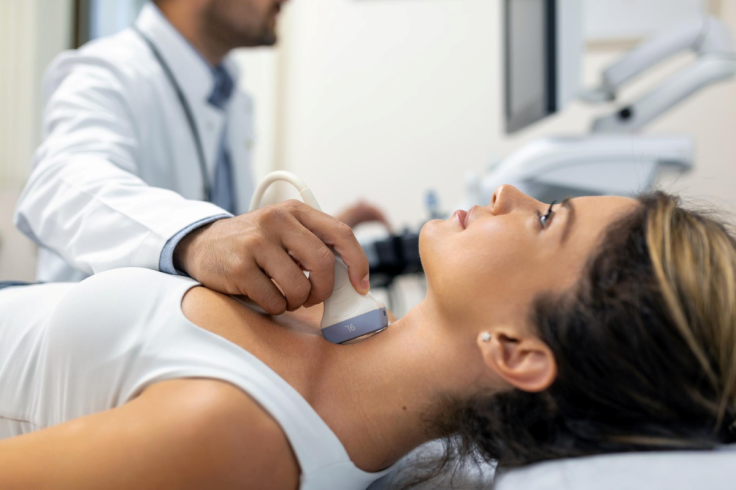
The thyroid may be a small gland, but it plays a major role in keeping the body functioning properly. Located at the front of the neck, this butterfly-shaped gland produces hormones that help regulate metabolism, energy production, temperature control and many other processes throughout the body.
When the thyroid does not produce enough hormones, a condition known as hypothyroidism or an underactive thyroid develops. The effects can be widespread, affecting everything from digestion and mood to heart health and reproductive function.
The challenge is that hypothyroidism symptoms often develop gradually and can look similar to everyday concerns such as stress, poor sleep, ageing or changes in lifestyle.
'The thyroid is the master gland of the body involved in virtually every aspect of our multiple organ systems,' said Dr Bruce Dorr, senior medical advisor at Biote.
'When the gland stops making the driver of over 50 different metabolic processes, things go wrong.'
What Is Hypothyroidism?
Hypothyroidism occurs when the thyroid gland does not produce enough thyroid hormones, mainly thyroxine (T4) and triiodothyronine (T3).
These hormones help control how quickly the body uses energy. When levels are too low, many processes slow down, which can lead to symptoms affecting multiple organs.
According to the Clinical Endocrinology journal, hypothyroidism affects around one to two in every 100 people in the UK, although mild cases may be more common. Women are significantly more likely to develop the condition than men.
Dr Dorr explained that hypothyroidism can affect several areas of health, including the heart, brain, gastrointestinal system, skin, muscles and metabolism.
Common Symptoms of Hypothyroidism
Because thyroid hormones influence many body systems, symptoms can vary widely between individuals.
Persistent fatigue and low energy
Feeling tired is one of the most common symptoms of an underactive thyroid.
Unlike ordinary tiredness after a busy day, hypothyroidism-related fatigue often persists despite adequate rest.
People may experience:
- Low energy levels
- Difficulty staying alert
- Reduced motivation
- Feeling physically slowed down
However, fatigue is also linked to many other conditions, including stress, sleep disorders, nutritional deficiencies and mental health concerns, which is why proper assessment is important.
Unexplained weight gain
A slower metabolism can make it more difficult for the body to burn energy efficiently, potentially leading to weight gain.
Some people may notice weight increases despite no major changes to their diet or exercise routine.
However, Dr Dorr warned that weight gain should not automatically be blamed on thyroid problems.
'Low thyroid symptoms are so common, and they overlap so much with the signs of poor diet, lack of exercise, and chronic stress,' he said.
An underactive thyroid can contribute to weight changes, but it is rarely the only factor involved.
Feeling cold more often
People with hypothyroidism may feel unusually cold, even when others are comfortable.
This happens because thyroid hormones help regulate body temperature. When hormone levels drop, the body may produce less heat.
Some people also experience reduced sweating or increased sensitivity to colder environments.
Dry skin, hair changes and brittle nails
Thyroid hormones influence skin, hair and nail health.
An underactive thyroid may cause:
- Dry or rough skin
- Hair thinning or increased hair shedding
- Brittle nails
- Puffy facial features or swelling
These symptoms can sometimes be mistaken for normal ageing or changes caused by environmental factors.
Brain fog and mood changes
Hypothyroidism can affect cognitive function and mental wellbeing.
People may experience:
- Difficulty concentrating
- Memory problems
- Slower thinking
- Low mood
- Depression-like symptoms
Amanda Queen, PA-C, co-founder of Revival Integrative Health, said some patients have symptoms initially attributed to stress, perimenopause, depression or simply 'getting older' before thyroid problems are identified.
Constipation and digestive changes
A slower metabolism can also affect the digestive system.
Constipation is a common symptom because reduced thyroid hormone levels can slow movement through the intestines.
Other possible digestive symptoms include bloating and discomfort.
Muscle aches and weakness
Hypothyroidism can affect muscles and joints, leading to:
- Muscle aches
- Stiffness
- Weakness
- Reduced exercise tolerance
Some people may notice they take longer to recover after physical activity.
Why Does Hypothyroidism Happen?
The most common cause of hypothyroidism is an autoimmune condition called Hashimoto's thyroiditis.
In Hashimoto's disease, the immune system mistakenly attacks the thyroid gland, gradually reducing its ability to produce hormones.
'Hashimoto's thyroiditis was the first autoimmune disease described, and the body is making antibodies that attack and eat away at the gland itself,' said Dr Dorr.
Other causes include:
- Thyroid surgery
- Radiation treatment affecting the thyroid
- Certain medications
- Iodine imbalance
- Family history of thyroid disease
Iodine is particularly important because thyroid hormones depend on iodine molecules to function properly.
Who Is Most at Risk?
Although anyone can develop hypothyroidism, some groups have a higher risk.
Women are five to eight times more likely to develop an underactive thyroid than men, according to Dr Dorr.
Risk factors include:
- Being female
- Increasing age
- A family history of thyroid problems
- Having another autoimmune condition
- Pregnancy or the post-pregnancy period
- Previous thyroid surgery
Women may also experience increased risk around menopause, when hormonal changes occur alongside age-related increases in autoimmune conditions.
How Is Hypothyroidism Diagnosed?
Diagnosis usually involves blood tests that measure thyroid function.
The main tests include:
- Thyroid-stimulating hormone (TSH)
- Free thyroxine (free T4)
TSH is produced by the pituitary gland and signals the thyroid to make hormones. When thyroid hormone levels fall, TSH levels often rise as the body attempts to stimulate more production.
Dr Dorr explained that thyroid function is more complex than a single blood test.
'The TSH and the pituitary are only one part of the story,' he said.
Additional testing may sometimes be considered, particularly if symptoms continue despite normal results or if autoimmune thyroid disease is suspected.
How Is Hypothyroidism Treated?
The most common treatment is thyroid hormone replacement therapy, usually with levothyroxine, a synthetic form of T4.
Treatment requires ongoing monitoring to ensure hormone levels remain within the appropriate range.
Some people may need adjustments based on factors such as medication absorption, other health conditions or changes in lifestyle.
For individuals with Hashimoto's thyroiditis, addressing overall health factors such as diet, inflammation and nutrient deficiencies may also form part of a broader management approach.
What Happens if Hypothyroidism Is Untreated?
Without treatment, hypothyroidism can affect many areas of health.
Possible complications include:
- High cholesterol
- Heart problems
- Fertility difficulties
- Pregnancy complications
- Cognitive changes
- Reduced quality of life
'Hypothyroidism left untreated leads to disease in all of the above systems – the heart, brain, bone, muscle and digestive,' said Dr Dorr.
When Should You Speak to Your GP?
Anyone experiencing persistent symptoms associated with a slowed metabolism should consider discussing them with a healthcare professional.
Speak to your GP if you experience:
- Ongoing unexplained fatigue
- Unusual weight gain
- Feeling consistently cold
- Persistent constipation
- Hair or skin changes
- Low mood or brain fog
- Menstrual changes or fertility concerns
While these symptoms do not always indicate hypothyroidism, testing can help identify whether an underactive thyroid or another condition may be responsible.
Conclusion
Hypothyroidism can affect almost every part of the body, but its symptoms are often subtle and easily mistaken for stress, ageing or lifestyle changes.
Persistent fatigue, unexplained weight changes, feeling cold, digestive problems, mood changes and skin or hair issues should not be dismissed if they continue.
A simple blood test can help determine whether thyroid hormone levels are contributing to symptoms, allowing appropriate treatment and support to improve overall health and quality of life.