
Rotator Cuff Injuries Explained: Why Shoulder Pain Won't Go Away and What Actually Helps
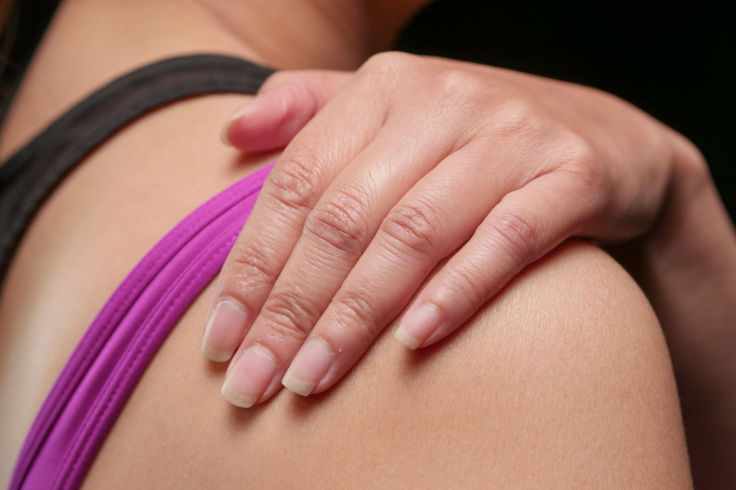
Shoulder pain is a common discomfort that many individuals feel at some point in their lives. For active individuals, athletes, and gym-goers, this pain often strikes much earlier than expected.
One possible issue causing this discomfort is an injured rotator cuff. Rotator cuff injuries can be either complete or partial in nature. In such cases, an individual may have a difficult time trying to raise or move their arms.
Initial treatment for rotator cuff injuries may include resting, taking pain relievers, and seeking targeted physical therapy. For worst-case scenarios involving severe damage, undergoing surgery may be recommended by medical specialists. Understanding how this joint works and why damage occurs is key to long-term relief.
Understanding the Rotator Cuff and Why Pain Persists
Your rotator cuff is a specialised group of muscles and tendons located in your shoulder. They help you lift and move your arms away from your body during daily movements. Your rotator cuff keeps the ball of your upper arm bone (humerus) sitting securely inside the shoulder blade socket.
Your shoulder is a ball-and-socket joint that is part of your overall skeletal system. It is like a 'golf ball sitting precariously on a tiny golf tee'. Rotator cuff tears occur when these stabilising tendons pull away from your arm bone due to overuse or another injury.
Sudden tears normally originate when a person is involved in an unexpected accident, such as a fall or other traumatic injury, causing a broken collarbone or dislocated shoulder. More commonly, rotator cuff tears occur over time as your tendon wears down with age and use (a 'degenerative tear'). People over age 40 tend to have increased risk for these degenerative tears.
Decreased blood flow may be a cause of degenerative tears which may explain why shoulder pain lingers continuously. Blood flow to your rotator cuff may decrease as you get older, but your tendons need a healthy blood supply to repair themselves. Without proper blood supply, tendons can tear and fail to heal naturally.
Bone spurs may contribute to ongoing friction and persistent shoulder discomfort. Bony growths can form on top of your shoulder bone and rub against your tendon whenever you lift your arm. This impingement may create continuous friction between bone and tendon until a partial or complete tear occurs.
Overuse from repetitive shoulder movements during sports or work continually stresses your muscles and tendons. Symptoms include difficulty, pain, and weakness when raising, lowering, or rotating your arm, alongside struggling to lift items. You may also notice popping or clicking sounds, alongside pain that worsens at night.
Risk Factors and Impact on Sports Careers
Anyone can experience a rotator cuff tear, but specific risk factors greatly increase your overall chances. These factors include a biological family history of shoulder problems, poor posture, smoking, and being age 40 or older. Degenerative tears are noticeably more common among people performing repetitive shoulder movements every day.
This includes trade workers such as carpenters, mechanics, and painters who perform frequent overhead lifting. It also includes athletes playing baseball, softball, tennis, or participating in rowing. Rotator cuff injuries can significantly impact an athlete's career, requiring extended periods of rest and rehabilitation.
Injury severity determines the extent of the impact on sports performance. Minor tears or inflammation can often be managed with conservative treatments like rest, physical therapy, and anti-inflammatory medications. Major tears may require surgical intervention followed by a lengthy rehabilitation process, in some cases, causing athletes to miss entire seasons.
What Actually Helps: Non-Surgical and Surgical Options
What is the treatment for a rotator cuff tear?
Rotator cuff tear treatment may include non-surgical and surgical options depending on your condition. Rotator cuff tears have limited ability to heal on their own without surgery, but many people can improve functionally with non-surgical treatment.
Having a tear does not automatically require surgery, as many people have rotator cuff tears without knowing it. About 8 out of 10 people with partial tears get better with non-surgical treatments. It may take up to a year for the condition to improve functionally.
Non-surgical treatments may include an arm sling, rest, and activity modification to give your shoulder time to heal. Non-steroidal anti-inflammatory drugs (NSAIDs) or steroid injections help ease pain and swelling, while physical therapy teaches essential exercises. Healthcare providers may recommend surgery if you have a complete tear or if non-surgical treatments fail.
Most rotator cuff surgeries take place arthroscopically through small cuts as an outpatient procedure. Depending on the procedure, your provider may use an arthroscope and tiny instruments to remove bone spurs and reattach your tendon to your upper arm bone. For a partial tear, a debridement procedure may trim fraying pieces of tendon to prevent further catching.
Some tears aren't repairable due to their size or age, these may require reverse shoulder replacement, tendon transfer, or debridement. After surgery, you might wear an immobilising sling for four to six weeks before starting physical therapy, regaining strength in four to six months. Re-tears bigger than 1 inch may require additional surgery.
The Role of Physical Therapy and Prevention
Physical therapy is a cornerstone of both non-surgical and post-surgical recovery for rotator cuff injuries. Physical therapists conduct an initial assessment to develop a personalised plan which may include ice, heat, and electrical stimulation for pain management. This plan incorporates gentle range-of-motion exercises alongside gradual strengthening of the rotator cuff muscles.
As the condition improves, progressive rehabilitation introduces manual therapy, neuromuscular re-education, and functional training mimicking sports movements. Before returning to play, therapists conduct functional testing to minimise re-injury risk while educating athletes on proper techniques. Keeping your muscles and tendons flexible is can support recovery and help maintain mobility.
Frequently Asked Questions
- What is a rotator cuff?The rotator cuff is a group of muscles and tendons in the shoulder that help lift and move the arm.
- What causes rotator cuff injuries?Rotator cuff injuries can be caused by overuse, accidents, decreased blood flow, and bone spurs.
- How can rotator cuff injuries be treated?Treatment options include rest, physical therapy, anti-inflammatory medications, and surgery for severe cases.
- Who is at risk for rotator cuff injuries?People over 40, athletes, and those with jobs involving repetitive shoulder movements are at higher risk.