
How Long Should Muscle Soreness Last? When DOMS Is Normal—and When It Could Signal an Injury
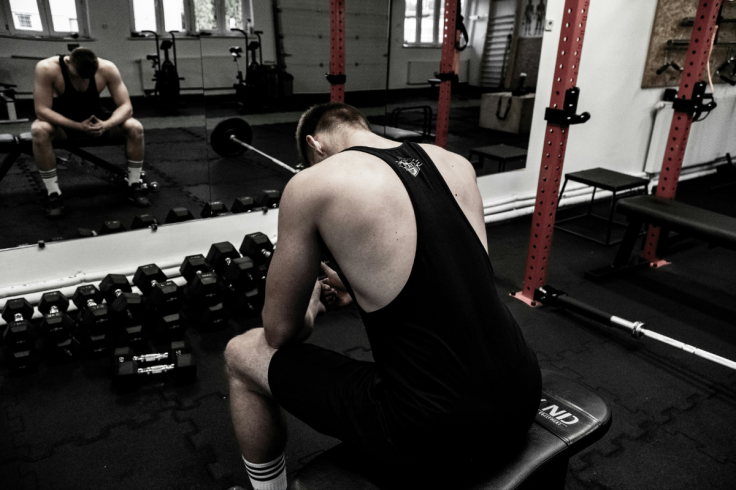
Muscle soreness can catch anyone off guard, from elite athletes to first-time gym-goers. Most of the time it's harmless — a normal part of getting stronger. But every so often, that same ache is an early sign of rhabdomyolysis, a serious muscle-breakdown condition that turns urine dark and needs emergency treatment.
So here's the short version. Normal soreness sets in 12 to 24 hours after a workout, peaks a day or two after that, and fades on its own within a week. Anything sharper, more localised, or slower to shift than that deserves a second look.
Why DOMS Happens
Delayed onset muscle soreness — DOMS, for short — is the ache that turns up after intense or unfamiliar exercise. It's called 'delayed onset' because it doesn't hit straight away.
The cause is simple. Hard exercise creates tiny, microscopic tears in your muscle fibres. Your body responds with inflammation as it repairs them, and over time that's what makes the muscle stronger.
Certain movements bring it on more. These are eccentric exercises, where a muscle lengthens while still under tension — think the lowering part of a bicep curl, running downhill, or landing after a jump.
Lactic acid gets blamed a lot, but it's not the culprit. Research shows it finishes clearing from your muscles within about an hour of exercise, long before soreness even begins.
DOMS can affect anyone — elite athletes get it as much as complete beginners, any time they try something new or push harder than usual.
What Normal Soreness Feels Like
There's a fairly predictable pattern to typical DOMS, making it easier to spot.
Expect a dull ache and tight, stiff muscles rather than anything sharp. You might also notice tenderness, mild weakness, fatigue, a reduced range of motion, and sometimes a little swelling in the muscle itself — different from the more serious swelling covered below.
The pain shows up across the whole muscle group you worked, not in one joint or a single spot.
It should ease within a few days. Most people feel better within 3 to 5 days, and it shouldn't drag on much past a week.
And here's some reassurance: 'no pain, no gain' isn't really true. A workout can still be productive without soreness afterwards. Soreness also tends to fade the more you repeat an exercise, because your body adapts — not because you're suddenly slacking off.
You can usually deal with this at home. Rest, gentle movement and time are typically all it takes.
When Soreness Signals an Injury
Not all post-exercise pain is DOMS — knowing when your body needs medical attention rather than rest matters.
Timing is one of the clearest tells. DOMS builds gradually over a day or so. Sharp pain that starts during the workout itself, rather than afterwards, points to an injury like a strain instead.
Swelling is another clue, but scale is what counts. Mild swelling can be part of ordinary DOMS; large swelling or bruising isn't — that's a sign of injury.
Location and sensation tell their own story too. Pain confined to one spot, muscle spasms, numbness, tingling, or pain bad enough to disrupt your sleep — none of that fits DOMS's dull, all-over ache, and any of it is worth a doctor's opinion.
Duration is trickier, because guidance isn't perfectly consistent. Some sources flag concern past 3 to 5 days; others say closer to a week. Either way, if it's not improving by day 5, get it looked at.
Ignoring these signals repeatedly carries its own risk. Push through DOMS instead of recovering, and your form can quietly break down, shifting stress onto joints and raising sprain risk. It can also tip into overtraining syndrome.
Two rare but serious conditions can follow overworked muscles too. Rhabdomyolysis is when damaged muscle fibres break down and enter the bloodstream, causing weakness and fatigue — dark urine is the clearest giveaway. Compartment syndrome is severe swelling within the muscle causing pain so intense the person can't move it. Both are medical emergencies; a doctor may check for creatine kinase, an enzyme that spikes when muscle is really damaged.
If you spot any of these signs, don't try to push through it. Dark urine, severe swelling, or pain so bad you can't move the area means getting emergency help straight away.
How to Manage DOMS
Rest is generally the best medicine, giving your muscles time to repair. That doesn't mean lying still, though — gentle movement, like a short walk or light stretching, loosens stiff muscles without overloading them. If you train daily, ease off and work a different muscle group while the sore one recovers.
Some remedies actually have research behind them. A 2020 review found sports massage may improve flexibility and reduce DOMS pain — self-massage or foam rolling at home works just as well as a professional treatment.
Cold therapy has evidence too: a 2021 review found it can help with pain, and 2023 research found cold water submersion eased soreness, though it didn't touch the swelling itself. Try a 10 to 15 minute soak at 10–15°C. Prefer warmth? A warm bath or heat wrap, backed by 2017 research, eases stiffness by getting blood flowing. Topical products like menthol, arnica or lidocaine cream can help too.
Diet plays its part. Staying hydrated and eating enough protein and carbohydrates support muscle repair — water-rich foods like cucumber and watermelon count, and so do coffee or electrolyte drinks. Tart cherry juice, omega-3s, vitamin C and creatine may also help, as can magnesium supplements — check with a doctor first.
Painkillers are where the advice gets truly mixed. Some sources recommend NSAIDs or paracetamol in moderation; others say to avoid anti-inflammatories for DOMS specifically, since inflammation is part of how muscles repair. A topical option like lidocaine avoids that problem. If you're reaching for pain relief often, mention it to a doctor.
How to Reduce Your Risk
You probably can't dodge DOMS altogether, but a few habits make it milder.
Warming up matters — so does how you stretch. Dynamic stretching, like leg swings, for 5 to 10 minutes before a workout helps prepare your muscles. Save static stretching for afterwards; it improves flexibility, but won't reduce the soreness itself.
Hydration does more than you'd think. A 2005 study found men who drank water before, during and after exercising in hot, humid conditions had noticeably less soreness than those who didn't.
The best strategy, though, is simply building up intensity slowly, giving your muscles time to catch up.
Know When to Get Checked
DOMS is a normal, if uncomfortable, part of exercising. Expect it to build over a day or so, peak within a few days, and fade within a week.
Pain that starts sharply during exercise, stays in one spot, brings big swelling, or hasn't eased within the timeframes above is a different story — as is dark urine, muscle spasms, numbness, or pain bad enough that you can't move the area.
When in doubt, see a doctor. Once soreness fades, you can usually resume normal training without issue. If pain lingers, a physical therapist or athletic trainer can help you rebuild gradually and safely.
Frequently Asked Questions
- What is delayed onset muscle soreness (DOMS)?DOMS is the muscle ache that occurs after intense or unfamiliar exercise, typically setting in 12 to 24 hours post-exercise.
- How can I manage muscle soreness at home?Rest, gentle movement, sports massage, cold therapy, and maintaining hydration and nutrition can help manage soreness.
- When should I see a doctor for muscle soreness?Seek medical attention if you experience sharp pain during exercise, significant swelling, dark urine, or if soreness persists beyond a week.
- Can I prevent muscle soreness?While you may not completely prevent soreness, warming up, staying hydrated, and gradually increasing exercise intensity can reduce its severity.