
Muscle Strain or Torn Muscle? How to Tell the Difference and When You Should Stop Exercising
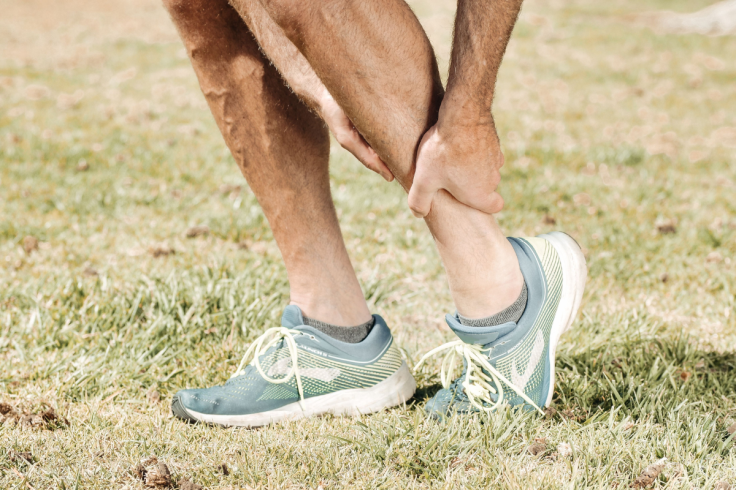
There may be instances when an individual is halfway through a workout when suddenly, a sudden pull, a pop or an ache. The initial thing one would ponder on is if it was a muscle strain or something more serious?
In these cases, being aware of what potential injury one may have suffered is important. A muscle strain can range from minor damage to a complete rupture, and its symptoms can offer clues about how serious the injury may be. But symptoms alone cannot tell you exactly what grade of injury you have.
The most important rule is simple: if you have severe pain, significant swelling, a sudden loss of strength or difficulty moving the affected area, the best recourse would be to stop exercising or any activity one is doing rather than trying to push through the pain.
Understanding the Grades of Muscle Injury
A muscle strain occurs when a muscle is overstretched or damaged, with muscle fibres tearing to some degree. Doctors commonly describe muscle strains in three grades, based on how much damage has occurred.
Grade I is a mild strain. The muscle has been stretched and damaged, but there is no complete tear. Strength is usually maintained, and this is the most common type of strain. You may have soreness or pain in one area while still being able to move the muscle relatively normally.
Grade II is a moderate strain. There is partial tearing of the muscle fibres. Strength and range of motion are reduced, and symptoms can include weakness, swelling and bruising. Recovery generally takes longer than with a mild strain.
Grade III is a severe strain. The muscle has torn completely, resulting in a complete rupture. This is what many people mean when they describe having a 'torn muscle'. A complete rupture can cause a major loss of function and may sometimes require surgery.
The symptoms can provide clues, but should not be used to diagnose the grade yourself. A sudden jolt, twist or distinct pop can occur with a more serious injury, while an ache that develops gradually from repetitive use may be associated with a milder strain.
A visible gap in the muscle or a complete loss of strength is particularly concerning because these can be signs of a severe Grade III injury. Strains can also cause muscle pain, weakness, spasms, cramping, bruising and swelling.
A proper medical examination is the best way to determine how serious the damage is. A doctor or specialist will ask when the pain started and what activity was being performed, then examine the area for tenderness and assess strength and range of motion. In some cases, an MRI may be ordered to determine how much of the muscle has torn or to rule out other problems.
When You Should Stop Exercising
If the injury produces severe pain, severe swelling or difficulty moving the affected area, stop exercising. This is particularly important when swelling becomes severe enough to hinder movement. In that situation, it is best to see a doctor as soon as possible.
A complete muscle tear can cause intense pain, severe inflammation, swelling and even bleeding. Because it is more extensive than a mild or moderate strain and can take longer to heal, continuing to exercise despite those symptoms is not advisable.
Sprains, strains and tears can happen during sport or exercise, but they can also occur while lifting a heavy box, landing on the wrong foot or during an accidental trip or fall.
Many less serious strains improve with rest, ice and compression, and over-the-counter medication can also help. But when symptoms are severe, particularly if they interfere with movement, medical assessment is important.
Strain, Sprain or Tear?
A strain affects a muscle or tendon. A tendon connects muscle to bone, and strains can occur when the muscle or tendon is overstretched or torn.
A sprain is different because it affects a ligament. Ligaments hold bones together and provide support. Sprains usually happen when a joint bends unnaturally and are particularly common in the ankle, although they can also affect the fingers or shoulder.
A tear occurs when tissue rips in a muscle, ligament or tendon. In a muscle, a tear can range from the partial fibre damage seen in a Grade II strain to the complete rupture seen in a Grade III strain.
So a muscle strain and a torn muscle are not always two separate injuries. A strain can itself involve torn muscle fibres, with the severity determined by how much tissue has been damaged.
Sprains can cause inflammation or swelling, pain, tenderness, bruising and difficulty moving. Severe sprains may require medical attention, including a splint or cast to prevent further injury.
What Helps a Muscle Injury Heal?
Treatment depends on the severity of the injury. For many less serious strains, rest, ice and compression can help with recovery and reduce swelling. Over-the-counter medication can also help.
For a sprain, elevating the injured part of the body can aid recovery, while compression garments can help prevent swelling. Recovery time varies considerably.
A mild strain may take a few weeks to recover, while a moderate Grade II injury can take several weeks to months. Severe Grade III injuries can take considerably longer to heal, particularly when surgery is required.
A mild sprain may heal in around 10 days, while a severe sprain can take several weeks to get better.
Medical review is particularly important when there is severe swelling, difficulty moving, significant weakness, a visible gap or complete loss of function. A proper examination can establish the extent of the injury, while an MRI may sometimes provide a clearer picture of how much of the muscle has torn or help rule out another problem.
Severe Grade III injuries may require surgery to repair the damaged muscle. Some tears involving ligaments can also require surgery. An anterior cruciate ligament tear, for example, is a serious injury common among athletes.
Most strains do not require surgery. Rest, ice, compression and over-the-counter medication can help many less serious injuries recover. But severe symptoms should not be ignored or treated as something to exercise through.
A mild strain may involve pain or soreness while strength remains relatively normal. A moderate injury can cause weakness, swelling and reduced movement. A severe injury can involve intense pain, major swelling, significant loss of strength or function and, in the case of a complete tear, a visible gap.
If you have severe pain, severe swelling or difficulty moving, stop exercising. If severe swelling is hindering movement, seek medical attention rather than trying to finish the workout.
Ultimately, Grade I strains involve minor damage, Grade II injuries involve a partial tear of the muscle fibres, and Grade III injuries involve complete rupture. But do not try to determine the grade from symptoms alone. A proper medical assessment, and in some cases an MRI, may be needed to establish the extent of the injury and ensure it receives appropriate care.
Frequently Asked Questions
- What is a muscle strain?A muscle strain occurs when a muscle is overstretched or damaged, with muscle fibres tearing to some degree.
- What are the symptoms of a muscle strain?Symptoms can include pain, swelling, weakness, and difficulty moving the affected area.
- How are muscle strains classified?Muscle strains are classified into three grades: Grade I (mild), Grade II (moderate), and Grade III (severe).
- When should I stop exercising if I suspect a muscle strain?Stop exercising immediately if you experience severe pain, significant swelling, or difficulty moving the affected area.
- How can I treat a mild muscle strain?Rest, ice, compression, and over-the-counter medication can help manage a mild muscle strain.