
'Chinese Elon Musk' Hired a US Woman to Carry His Baby Despite Already Having 100-Plus Children
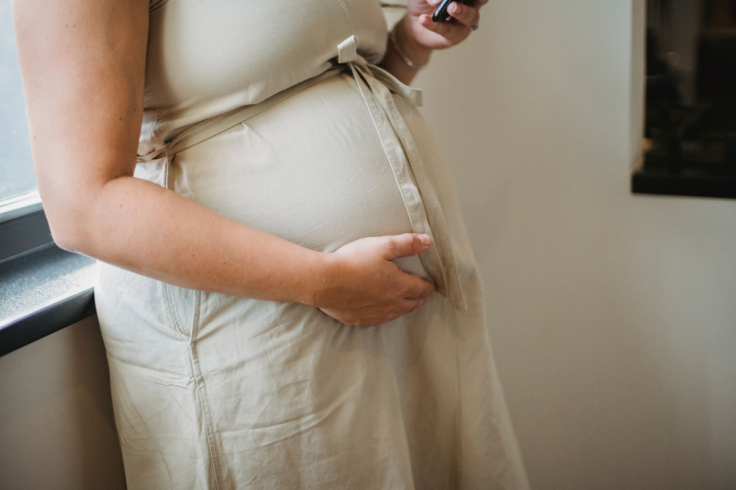
Chinese billionaire Xu Bo, sometimes dubbed the 'Chinese Elon Musk', has been reported to have fathered more than 100 children through US surrogates. One woman said she was not initially told who she was carrying a baby for.
Xu's company has reported that he fathered more than 100 children through US surrogates. Posts verified by the Wall Street Journal also show that Elon Musk inspired his ambitions for a large family. Xu has subsequently disputed the reported totals.
A surrogate known as 'Judy' only learned after signing her contract that Xu was the intended father, CBS News reported. As part of its wider investigation into the industry, the outlet interviewed 32 surrogates.
Judy, a single mother, responded to an Instagram advert from Patriot Conceptions offering $120,000 (£94,000). She was told the intended parent was a single father who wanted to expand his family.
She hoped the payment would help her buy a home for herself and her daughter. Judy said she felt she had little choice but to continue the pregnancy after signing the contract.
Xu, 48, has said on Chinese social media that he wants '50 high-quality sons', according to posts verified by the Journal. He later reportedly told a California judge that he wanted 20 or more US-born children.
Xu also reportedly said he wanted boys because he considered them superior. Accounts linked to Xu also imagined his children eventually marrying Musk's children.
How Surrogacy Works
Gestational surrogacy allows someone to carry a pregnancy for intended parents. An embryo created through IVF is transferred to the carrier, who then delivers the baby.
The carrier has no genetic link to the baby in gestational surrogacy because the egg comes from an intended parent or donor. It differs from traditional surrogacy.
Before treatment, intended parents and carriers undergo medical and psychological screening. Testing can include checks for HIV, hepatitis B and C, syphilis and chlamydia.
The process can involve a surrogacy agency, fertility clinic, lawyers and mental health professionals. Cleveland Clinic estimates that surrogacy can cost between $50,000 and $150,000 (£39,000 to £117,000).
A California judge reportedly rejected Xu's petition for parental rights over several unborn children during a 2023 hearing. The decision left the children in legal limbo.
Xu's former partner, who is involved in a custody lawsuit against him, has alleged that he has fathered as many as 300 children. That figure is disputed by Duoyi Network and should not be treated as an established total.
Emotional and Legal Risks
Surrogacy can involve emotional challenges for carriers, including feelings of loss after giving birth and handing over a baby. Medical literature supports psychological screening and counselling.
Legal issues can also arise with international surrogacy. The US State Department has specific rules for children born abroad seeking citizenship through a US citizen parent.
Those rules do not apply to children born in the United States. Children born in the US generally acquire citizenship at birth regardless of whether assisted reproductive technology or surrogacy was used, although an August 2026 executive order seeking to restrict citizenship in some commercial surrogacy cases is being challenged in court.
Judy said she later learned that many other women were carrying children for the same man. She told CBS News she could not give an exact number, but knew it was large.
She said friends and relatives encouraged her to continue the pregnancy despite her concerns. Her account raises questions about how much information prospective surrogates receive before signing.
That lack of information matters because surrogacy involves medical procedures, legal contracts and significant financial and emotional commitments for the people involved.
Transparency is important because surrogacy involves medical screening, legal contracts and financial and emotional commitments. In Judy's case, the intended father's identity and wider arrangements were not clear when she agreed to become a carrier.