
Abdul El-Sayed Pushes for 'Systemic Change' in Universal Healthcare as Millions Could Lose Coverage
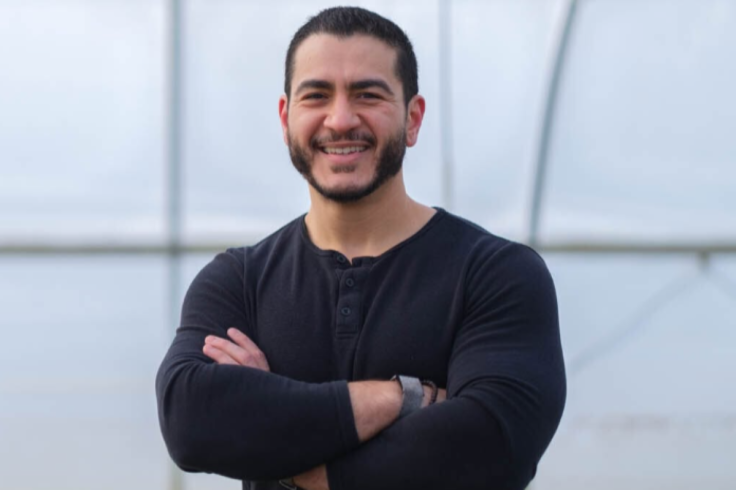
Abdul El-Sayed will take his campaign for universal healthcare to the US Senate after winning Michigan's open seat, as millions of Americans face risks of losing health coverage under federal policy changes.
The Democratic lawmaker defeated Republican Mike Rogers in one of the country's most closely watched Senate contests, becoming the first Muslim elected to the chamber. El-Sayed, a doctor, epidemiologist and former Detroit health director, made Medicare for All a central part of his campaign.
He also campaigned on promises to oppose Medicaid cuts and changes making Affordable Care Act coverage more expensive or difficult to obtain, according to a report by the Associated Press. His victory over Rogers gives the policy a prominent advocate in Congress at a time when US health coverage is already declining.
Millions of Americans Face Losing Health Coverage
The Congressional Budget Office (CBO) estimates that changes introduced under the 2025 reconciliation law could potentially reduce Medicaid enrolment by roughly 13.1 million people by 2035.
An October report by the office said that the law's Medicaid provisions were projected to increase the number of uninsured people by 7.5 million, with major eligibility changes starting in 2027. These include work requirements for many adults covered through Medicaid expansion and more frequent eligibility checks.
Coverage has already been falling for reasons that include the expiry of enhanced Affordable Care Act premium subsidies and earlier Medicaid enrolment changes.
The Centre on Budget and Policy Priorities reported that 2.2 million fewer people were enrolled in ACA marketplace plans in February 2026 than in December 2025. On the other hand, Medicaid enrolment fell by roughly 4.8 million between April 2025 and April 2026.
However, many of the reconciliation law's largest Medicaid provisions do not take effect until 2027, which means that current coverage declines cannot be attributed solely to those measures.
El-Sayed Makes Medicare for All Central to His Agenda
The senator-elect has pledged to pursue Medicare for All, which would extend federally provided health coverage to every American in the country. His campaign says the programme should cover necessary medical treatment, including dental, vision and hearing care, without premiums, deductibles or co-payments.
El-Sayed has said his version of Medicare for All would allow people to retain additional private coverage through employers or unions, although he argues universal public coverage would make it largely unnecessary.
The proposal featured heavily during El-Sayed's campaign across Michigan, including stops in rural communities where healthcare access and hospital finances have become major concerns.
The Democrat has argued that lowering healthcare costs requires 'systemic change,' with Medicare for All at the centre of his approach.
Patients Report Growing Problems Affording Care
Recent national research has also pointed to worsening affordability and coverage. The Commonwealth Fund reported in October that marketplace and individual-market coverage among working-age adults declined between 2024 and 2026.
Furthermore, Medicaid participation fell, and the uninsured rate increased among some younger and lower-income adults. The organisation linked those changes partly to the end of pandemic-era coverage policies and enhanced ACA subsidies.
El-Sayed's campaign says the Democrat will also seek to reverse Medicaid and ACA subsidy cuts while pushing for wider reform. Whether Congress adopts those measures will determine how much of that platform can move from a campaign promise into federal policy.