
Morning vs Evening Walks: Experts Reveal Which Time Is Better for Weight, Sleep and Blood Sugar
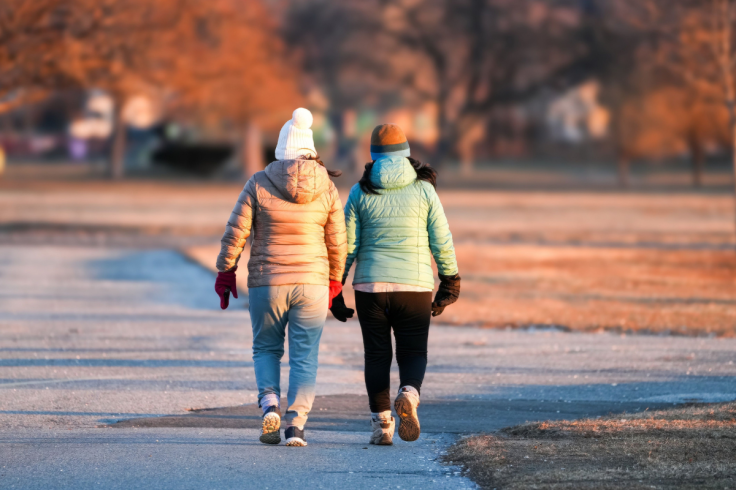
Researchers say there is no single best time to walk. Morning outdoor sessions can set the body clock and may favour fat use, while evening and post-meal walks often blunt blood sugar after dinner.
Official advice still puts consistency first. Adults in Britain should aim for at least 150 minutes of moderate activity a week, and a brisk 10-minute walk counts towards that total.
Best Time To Walk for Weight Still Hinges on Consistency
Trials comparing morning and evening aerobic exercise suggest that both can support modest weight loss when performed regularly.
In a 12-week randomised study of 100 inactive adults with overweight or obesity, morning sessions between 6am and 9am produced a mean loss of 2.7 kg, while evening sessions between 4pm and 7pm produced 3.1 kg.
Fitness rose in both groups. The authors said there was no optimal time of day for weight loss. An analysis of 5,285 adults found a stronger link between moderate activity and lower body mass index when activity clustered in the morning.
Fasted aerobic exercise can increase fat oxidation during the session, although that does not necessarily translate into greater long-term weight loss, and consistency remains important. That is hardly a surprise to anyone whose new habit died after a late meeting.
Key Facts:
- A 12-week trial found morning exercisers lost 2.7 kg and evening exercisers 3.1 kg, a gap that was not statistically significant.
- Post-meal walking cut the evening glucose rise by about 22 per cent in type 2 diabetes.
- Morning light supports sleep timing; hard late sessions can delay it.
Post-Meal Walks Blunt Blood Sugar After Dinner
For glucose control, the hour after food can matter more than a morning or evening label. A randomised crossover study of 41 adults with type 2 diabetes compared one 30-minute daily walk with three 10-minute walks after each main meal.
Post-meal walking lowered the three-hour glucose response by 12 per cent overall, and by 22 per cent after the evening meal, when carbohydrate intake and sitting were highest.
Researchers analysing 29,836 adults with obesity in the UK Biobank found that those whose moderate-to-vigorous activity was concentrated between 6pm and midnight had the lowest observed risks of premature death and cardiovascular disease during follow-up.
Lead author Dr Angelo Sabag said people who can plan their activity into certain times of the day may best offset some of these health risks.
Morning Light Helps Sleep, Evening Strain Can Delay It
Morning outdoor light can help regulate the body clock, while research on timed exercise suggests morning sessions may also shift circadian timing. A 12-week trial in 58 sedentary men found exercise between 6am and 8am advanced melatonin timing and shortened sleep latency.
Both exercise groups reduced body fat, with the morning group showing significant reductions earlier in the 12-week programme. Sessions between 6pm and 8pm improved blood flow and lowered systolic pressure more.
Device data show strenuous exercise ending close to bedtime can delay sleep. A gentle early-evening walk differs from a hard session at 10pm. NHS pages still call walking simple, free and one of the easiest ways to get more active.
The UK chief medical officers' 10 July 2026 refresh kept the 150-minute weekly target. The best time to walk remains the slot a person will keep.
Frequently Asked Questions
- What is the best time to walk for weight loss?There is no single best time; both morning and evening walks can support weight loss if done consistently.
- How does walking after meals affect blood sugar?Walking after meals, especially dinner, can lower blood sugar levels by about 22% in individuals with type 2 diabetes.
- How much walking is recommended for adults?Adults should aim for at least 150 minutes of moderate activity per week, with a brisk 10-minute walk counting towards this total.
- Can walking affect sleep patterns?Yes, morning walks can help regulate the body clock and improve sleep timing, while strenuous evening exercise may delay sleep.