
Toddler's Advanced Liver Cancer Disappears After Experimental CAR T-Cell Therapy in Remarkable Case
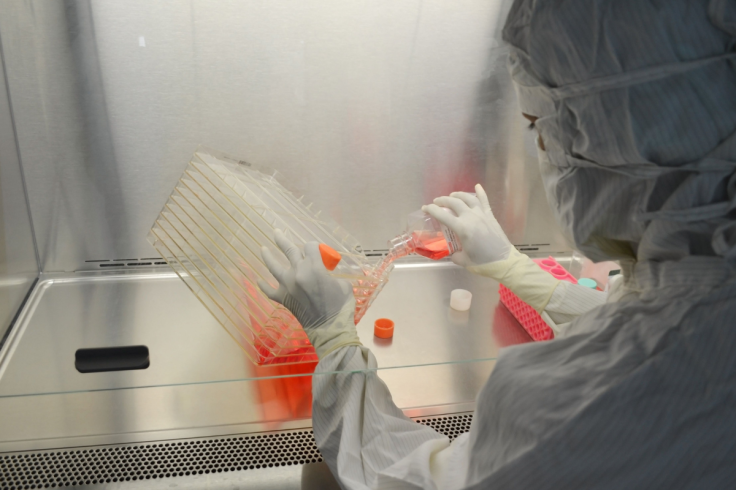
A three-year-old boy with chemotherapy-resistant metastatic hepatoblastoma has remained free of detectable disease for at least 12 months after two outpatient infusions of experimental CAR T-cell therapy.
Researchers published the case on 9 September 2026 in the New England Journal of Medicine. Teams at Baylor College of Medicine in Houston, Texas Children's Hospital and Seattle Children's described complete regression of a solid liver tumour that had already spread to the lungs.
When Standard Treatment Stopped Working
Hepatoblastoma is the most common childhood liver cancer and usually affects children younger than three.
Before joining the CARE study, a first-in-human phase 1 trial known as NCT04715191, the unnamed boy had received three lines of chemotherapy and complete removal of the primary tumour and two pulmonary metastases.
His disease no longer responded to chemotherapy when a further lung deposit recurred after surgery. The product was made from his own T cells at the Center for Cell and Gene Therapy.
One vector encoded a receptor aimed at glypican-3, a protein highly expressed in many paediatric liver cancers. A second encoded interleukin-15, interleukin-21 and an inducible caspase 9 safety switch.
Key facts: The patient presented with an 11.2 cm by 9.6 cm by 7.1 cm liver mass and lung metastases. Despite chemotherapy and surgery, the cancer recurred, and a new lung metastasis appeared after surgery. Two GPC3-directed infusions eight weeks apart produced a partial response, then complete clearance, with no cytokine release syndrome.
Two Outpatient Doses of Experimental Car T-Cell Therapy
The infusions were given eight weeks apart as an outpatient. After the first dose, scans and a fall in alpha-fetoprotein indicated a partial response. After the second, imaging showed complete resolution of metastatic disease, leaving only residual scarring.
No dose-limiting toxicities or cytokine release syndrome were recorded. Complete regression was still present one year later without further anticancer treatment.
Dr David Steffin, first author at Texas Children's, said: 'This case demonstrates that a durable complete response in a chemotherapy-resistant solid tumor can be achieved entirely in the outpatient setting without systemic toxicity.'
Dr Andras Heczey of Seattle Children's said the cells 'may be a safe and effective modality for hepatoblastoma'.
Dr Berci Meskó wrote on X that researchers had documented complete regression after outpatient treatment without systemic toxicity, hoping such therapies will work in other cancers too.
Let's start the week with some very positive news: researchers documented a case of complete regression of hepatoblastoma, a form of malignant liver cancer, in a 3-year-old boy, after CAR T cell treatment!
— Berci Meskó, MD, PhD (@Berci) September 21, 2026
And all this in an outpatient setting without systemic toxicity.
"The… pic.twitter.com/KGhc4BWGH6
Why This Result Matters for Solid Tumours
Licensed CAR T-cell products have changed care in several blood cancers, yet durable activity against solid tumours has been scarce because engineered cells often fail to persist in hostile tissue.
The CARE construct adds interleukin-15 and interleukin-21 to promote CAR T-cell expansion and persistence. The Baylor-sponsored trial opened in May 2024 for children with GPC3-positive solid tumours.
One case cannot prove a wider benefit. Investigators have said larger studies are required. The boy's course shows a chemotherapy-resistant paediatric solid tumour can disappear after two outpatient doses of experimental CAR T-cell therapy and remain undetectable for a year.
The CARE study continues to enrol eligible children with GPC3-positive solid tumours while this patient's follow-up proceeds.
Researchers will need to determine whether similar responses can be achieved in additional patients and whether the treatment's safety and durability are confirmed in the larger study.