A Child Threw a Water Balloon Near His Ear, Now He Has Moderate Hearing Loss: 'I Just Feel Numb'
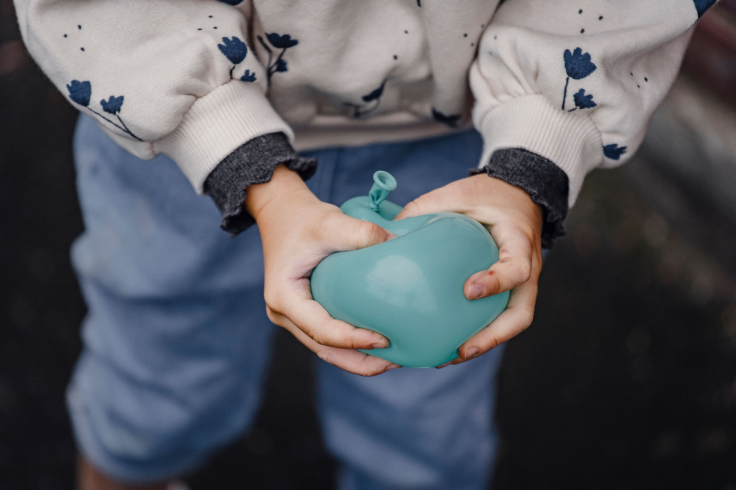
A burst water balloon close to the ear can cause hearing loss that outlasts the splash. University of Alberta audiologists measured an air-filled balloon inflated until it ruptured at almost 168 decibels, four decibels louder than a 12-gauge shotgun.
NHS children's services class moderate loss as a 41 to 70 decibel threshold, a range in which ordinary speech is easily missed. First-person reports describe a single close strike tearing much of the eardrum.
How Loud a Close Balloon Burst Can Be
Party balloons look harmless. The sound they make when they fail is not. Bill Hodgetts, an associate professor of audiology, and acoustic engineer Dylan Scott recorded three ways of bursting latex balloons and found the loudest result when a balloon was blown until it gave way.
The mean peak was 167.82 decibels at the ear. Canadian occupational guidance sets a 140 decibel cap on impulse noise. The World Health Organization sets a tighter 120 decibel mark for unprotected children.
They said that for children not even one such exposure near the ear would be counted as safe. Hodgetts put it plainly: 'We are not saying don't play with balloons and don't have fun, just try to guard against popping them.'
Room tests published in 2025 found holding and puncturing common sizes could still breach limits, while standing three metres away left the risk small.
What Moderate Hearing Loss Means in Daily Life
British children's audiology services describe mild loss at 21 to 40 decibels and moderate loss at 41 to 70. At the moderate level a pupil without aids struggles to follow a whole conversation unless the room is quiet and the speaker's face is in view.
Around 95.1 million children aged five to 19 live with hearing loss worldwide, and the World Health Organization says nearly 60 per cent of childhood hearing loss has avoidable causes, including loud sound.
Key facts:
- a ruptured balloon can exceed 167 decibels at the ear;
- impulse limits sit at 140 decibels for adults and 120 for children;
- moderate loss starts near 41 decibels;
- speech at about 60 decibels then sits only just above the threshold.
Military guidance notes that sensorineural loss still present more than eight weeks after an impulse injury is most likely permanent.
When Water Balloon Hearing Loss Does Not Fade
Water adds a second mechanism to the bang. A filled balloon that bursts against the head can also injure the ear through the force and sudden pressure of the impact. Dylan Scott made a point about air-filled bursts: 'Nobody would let their child shoot something that loud without hearing protection, but balloons don't cross people's minds.'
Possible warning signs after ear trauma include muffled hearing, tinnitus, pain, dizziness or discharge from the ear. A game that lasts a few seconds can still leave a child straining for ordinary speech long after the towels have dried.
Distance, protection and a prompt check if sound stays dull remain the practical steps. Some forms of inner-ear damage can be permanent, although hearing problems after an ear injury can have different causes and may not involve irreversible hair-cell damage.
Frequently Asked Questions
- How loud can a balloon burst be?A balloon burst can reach up to 168 decibels, which is louder than a 12-gauge shotgun.
- What are the risks of a balloon bursting near the ear?A balloon bursting near the ear can cause hearing loss, as the sound can exceed safe decibel levels.
- What are the symptoms of hearing damage from a balloon burst?Symptoms may include muffled hearing, tinnitus, pain, dizziness, or discharge from the ear.
- What should I do if I suspect hearing damage after a balloon burst?Seek medical attention promptly if you experience any symptoms of hearing damage.