
'Ferritin Face' Is Taking Over Social Media, But Is It Really a Sign of Iron Deficiency?
Iron deficiency is one of the world's most common nutritional deficiencies. Women of reproductive age face a particularly high risk because of blood loss during menstruation.
Doctors use ferritin, a protein that stores iron, to assess the body's iron reserves. Unlike haemoglobin, ferritin can identify depleted iron stores before iron-deficiency anaemia develops, although inflammation can raise ferritin levels.
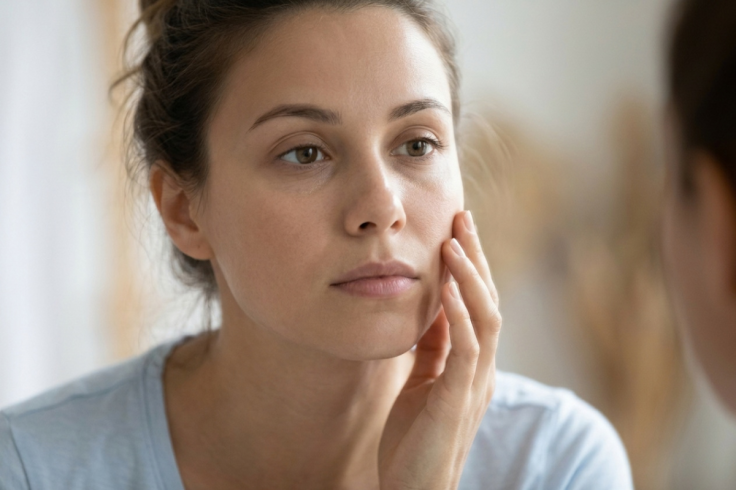
Social media has now branded a pale, tired look with dark circles as 'Ferritin Face', claiming it exposes hidden iron deficiency. The trend follows jade rollers and LED masks, except this time the supposed fix is a blood test.
Severe iron deficiency can leave skin looking paler, but Dr Angela Weyand, a paediatric haematologist at the University of Michigan, said no single look confirms low iron. Standard haemoglobin screening does not measure ferritin.
Stress and poor sleep can produce a similar washed-out appearance, so comparing faces online is unreliable. A person cannot diagnose iron deficiency by appearance alone; blood tests and clinical assessment are needed.
Signs Doctors Watch For
Fatigue is a hallmark symptom, but doctors also look for hair loss, mouth sores, brittle nails and problems with concentration. Severe deficiency can bring pica, an unusual craving for non-food items such as ice.
Pregnant women, people with heavy periods, those with bowel disease and some vegetarians face a higher risk of running low. Dr Soumya Rangarajan, a geriatrician in Ann Arbor, Michigan, said younger women are often told their fatigue is just part of life.
Rangarajan said she checked her own iron only after seeing a colleague's posts online.
Ferritin testing alongside other bloodwork gives a clearer picture than haemoglobin alone. It can help identify iron deficiency when fatigue or a pale appearance raises concern, including before anaemia develops.
Iron-deficiency anaemia can cause symptoms beyond the skin, including a racing heart, shortness of breath and trouble concentrating. Severe untreated anaemia can also put strain on the heart and lead to complications.
Diet, Supplements and Risk
Doctors recommend treating iron deficiency according to its cause and severity, not guesswork. Iron from meat and fish is generally absorbed more easily than non-haem iron from plant foods.
Pairing plant-based iron with vitamin C helps absorption, while tea and coffee around mealtimes can hinder it. UK guidance recommends 8.7 milligrams daily for men aged 19 and over, and 14.8 milligrams for women aged 19 to 49.
Supplements have become big business on social media, and doctors warn marketing can blur the line between advice and a sales pitch. That messaging risks pushing people to take more iron than they need.
Too much iron can cause nausea and diarrhoea. In cases of overdose, it can cause dangerously low blood pressure and liver damage. High-dose iron should not be taken without medical advice.
Some people receive intravenous iron when oral treatment is unsuitable or ineffective. Such treatment suits only some patients and should follow proper medical assessment, rather than a viral trend.
Doctors may also investigate blood loss, poor absorption or increased iron needs when deficiency is confirmed. The underlying cause matters when deciding how the deficiency should be treated.
Functional medicine and dermatology sources suggest higher ferritin targets for fatigue or hair loss, but these are not universally accepted. No single ideal ferritin level applies to everyone.
Ferritin testing combined with other bloodwork and a doctor's assessment can help determine whether iron deficiency may be contributing to fatigue or a washed-out look. A pale face alone is not a diagnosis, however convincing it looks online.
Frequently Asked Questions
- What are common symptoms of iron deficiency?Common symptoms include fatigue, hair loss, brittle nails, and problems with concentration.
- How is iron deficiency diagnosed?Iron deficiency is diagnosed through blood tests measuring ferritin levels and other clinical assessments.
- Can iron deficiency be diagnosed by appearance alone?No, a pale appearance alone is not sufficient for diagnosis; blood tests and clinical assessments are necessary.
- What dietary changes can help with iron absorption?Pairing plant-based iron with vitamin C can help absorption, while tea and coffee around mealtimes can hinder it.
- What are the risks of taking too much iron?Excessive iron intake can cause nausea, diarrhoea, low blood pressure, and liver damage.