
Unexplained Fatigue and Rapid Weight Loss Can Signal a Serious Blood Disorder
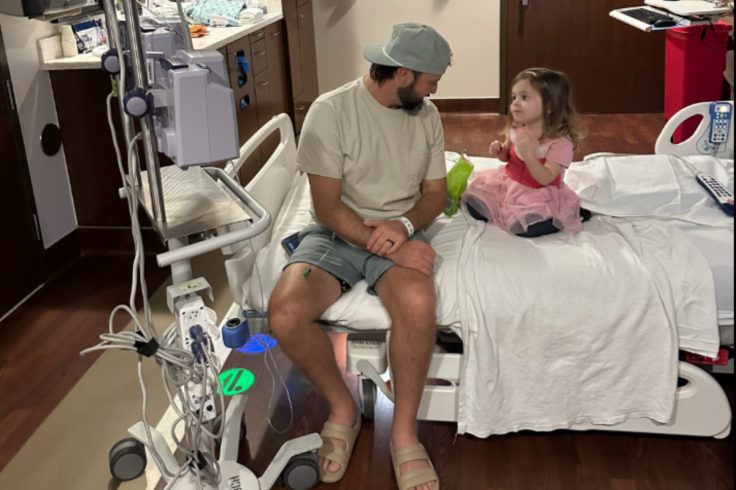
Tiredness that rest does not fix and weight falling away without trying, can point to a problem in the blood. For one father in Texas, both came before a diagnosis of leukaemia.
Reese Willard, 40, spent weeks feeling drained even after going to bed earlier each night. Night sweats, tiny red spots on his skin and rapid weight loss soon followed.
Each change seemed small on its own. His wife Sarah, 39, said he had been 'quietly deteriorating for months', and every symptom was subtle enough to explain away.
Why These Two Signs Matter
Extreme tiredness that does not improve with rest can be an early sign of cancer, according to Johns Hopkins Medicine. Cancer uses the body's nutrients to grow, which leaves people exhausted.
Unexplained weight loss is a red flag because it is a common symptom of serious illness, Cleveland Clinic says. Losing more than 5 per cent of body weight, or 10 pounds, in six to 12 months without trying should be checked.
Acting early matters because some of those illnesses progress in stages. Being seen quickly gives the best chance of recovery.
Subtle Signs That Add Up
When Reese showed his wife a cluster of red dots on his side, she pressed a glass to the skin to see if they faded. They did not.
Petechiae are clusters of tiny spots that do not fade under pressure. They are one of the symptoms linked to blood cancer.
Six weeks later, the bruising started. Reese came back from a 27-mile hike covered in fist-sized marks on his legs, arms and torso.
Sarah said the marks went well beyond anything that level of activity should cause. 'They were all up and down his legs, arms, and torso,' she said.
Blood Test Reveals the Cause
Reese went to the emergency department expecting to be sent home. A complete blood count showed something was seriously wrong and he was admitted.
His platelets were 5,000, leaving him at risk of catastrophic bleeding. The next morning, an oncologist told him 87 per cent of his white blood cells were of a type that points to leukaemia.
A bone marrow biopsy confirmed acute myeloid leukaemia, known as AML. The diagnosis came weeks before his fortieth birthday.
Leukaemia is one of the main types of blood cancer, alongside lymphoma and myeloma. Its damage shows up in the blood counts, which is where his symptoms had been coming from.
People with AML often experience fatigue, fever, weight loss and night sweats, according to the American Cancer Society. Easy bruising, frequent infections and breathlessness can also follow once blood counts drop.
Chemotherapy pushed his counts down further, leaving him tired and breathless. He is now in deep remission and his levels are improving.
He spent 30 days in hospital before going home. Sarah cried as he left, then felt gratitude seeing him outside, staring at the trees.
When to See a Doctor
Blood Cancer UK lists unexplained bruising, drenching night sweats, weight loss and tiredness that rest does not fix among the most common symptoms. Even one unexplained symptom is reason to see a GP.
A blood test usually follows, at the GP practice or a nearby clinic. Having these symptoms does not mean a person has blood cancer, and many will not.
The cause still needs to be found. Anyone who suddenly feels very unwell should get emergency help rather than wait.
Each of his symptoms had an innocent answer until the bruising appeared. What settled it was a blood test, the one advised for anyone with unexplained symptoms.
Frequently Asked Questions
- What are common symptoms of leukaemia?Common symptoms include extreme tiredness, unexplained weight loss, night sweats, petechiae, and easy bruising.
- Why is early detection of leukaemia important?Early detection is crucial because it allows for timely treatment, which can improve the chances of recovery.
- What should you do if you experience symptoms of leukaemia?If you experience symptoms such as unexplained bruising, night sweats, or weight loss, you should see a GP for a blood test.
- What is petechiae?Petechiae are clusters of tiny red spots that do not fade under pressure and can be a symptom of blood cancer.