
What Does Prediabetes Feel Like? Common Symptoms, Early Signs and When to See a Doctor
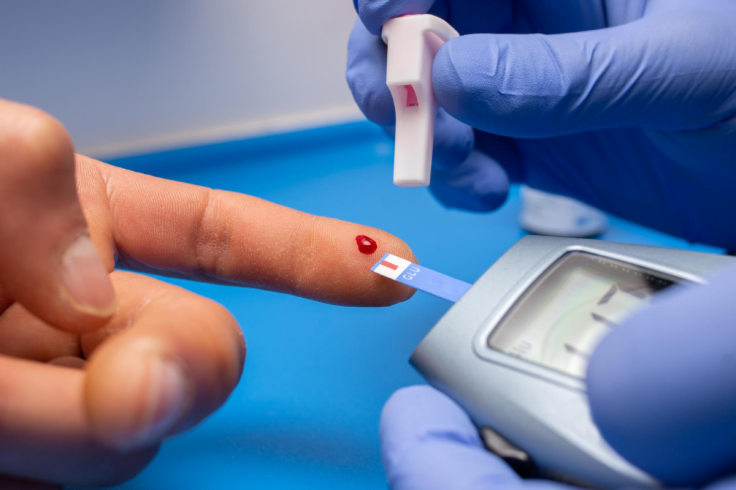
Prediabetes is often described as a warning stage before type 2 diabetes, but many people do not know they have it. Unlike diabetes, which often causes noticeable symptoms when blood sugar becomes significantly elevated, prediabetes usually develops silently. This means people may only discover they have it after a routine blood test or health check.
However, recognising potential warning signs, understanding your risk factors, and making lifestyle changes early can significantly reduce the chance of progression to type 2 diabetes.
What Is Prediabetes?
Prediabetes occurs when blood sugar levels are higher than normal but not yet high enough to meet the criteria for diabetes. It usually happens because the body begins to become less sensitive to insulin, the hormone responsible for helping glucose move from the blood into cells for energy.
As insulin resistance increases, the pancreas works harder to produce enough insulin to keep blood sugar levels controlled. Over time, this process can contribute to type 2 diabetes if changes are not made.
Krisel Quiambao, a Certified Diabetes Educator and Registered Nurse with more than a decade of experience in diabetes care, explained that prediabetes represents an important opportunity for intervention.
'Prediabetes is the stage where blood sugars are higher than normal, but not enough to cross the line of the diabetes range,' she said.
Does Prediabetes Cause Symptoms?
For most people, no. This is one of the reasons prediabetes can be difficult to detect.
'Most people do not have any symptoms of prediabetes, and this is why it's so difficult to catch unless routine blood work is done on a regular basis,' Quiambao said.
Because symptoms are often absent, some people mistakenly believe there is no problem until their blood sugar reaches diabetic levels.
However, some people may notice signs linked to insulin resistance or rising blood sugar.
Possible Warning Signs of Prediabetes
Although prediabetes itself is usually symptom-free, the following signs may suggest blood sugar levels are worsening or that diabetes may be developing.
Increased thirst
Feeling unusually thirsty, especially if it continues despite drinking fluids, can be a sign that blood sugar levels are too high. When glucose builds up in the bloodstream, the kidneys may work harder to remove excess sugar, causing increased fluid loss and dehydration.
Frequent urination
Needing to urinate more often than usual, particularly during the night, can occur when the body attempts to remove excess glucose through urine.
Increased hunger
Some people with rising blood sugar levels experience increased hunger because glucose is not being effectively used by cells for energy.
Persistent fatigue
Feeling constantly tired may be linked to the body's inability to efficiently use glucose for fuel. However, fatigue is a common symptom with many possible causes, so it should be considered alongside other risk factors and symptoms.
Blurred vision
High blood sugar can affect fluid levels in the eyes, temporarily changing vision. Blurred vision is more commonly associated with diabetes, but it can be a sign that blood sugar levels are becoming poorly controlled.
Slow-healing wounds and frequent infections
Persistently high blood sugar can affect the immune system and the body's ability to heal. Quiambao noted that symptoms such as frequent infections, sores that do not heal and numbness in the hands or feet may indicate that someone has progressed from prediabetes to diabetes.
A Skin Change That May Signal Insulin Resistance
One less commonly known sign of insulin resistance is acanthosis nigricans. This condition causes dark, thickened, velvety patches of skin, usually around areas such as the neck, armpits, or groin.
'Some may have signs of insulin resistance, such as acanthosis nigricans (dark velvety skin usually in the neck, armpits and groin) which may signal that someone has prediabetes or is at higher risk,' Quiambao explained. Anyone noticing these changes should discuss them with a healthcare professional.
Who Is Most at Risk of Prediabetes?

Prediabetes can affect anyone, but certain factors increase risk. These include:
- Having a close family member with type 2 diabetes
- Being overweight or having obesity
- Having a sedentary lifestyle
- Increasing age, particularly over 45
- A larger waist circumference
- A history of gestational diabetes
- Having polycystic ovary syndrome (PCOS)
- Taking steroid medication
- Having non-alcoholic fatty liver disease
Carole Jakucs, a Certified Diabetes Care and Education Specialist and National Diabetes Prevention Program Lifestyle Coach, said many people underestimate their risk.
'Many times, people with prediabetes are either not aware they have it, or if they know, are not provided with information on how to prevent it from progressing to Type 2 diabetes,' she said.
How Is Prediabetes Diagnosed?
Because symptoms are often absent, testing is essential. Doctors typically use blood tests such as:
- HbA1c test: Measures average blood sugar levels over the previous two to three months
- Fasting blood glucose test: Measures blood sugar after not eating overnight
- Oral glucose tolerance test: Measures how the body responds after consuming glucose
Quiambao stressed the importance of knowing your numbers. 'If you have risk factors for developing prediabetes and Type 2 diabetes, make sure you get an A1C test and fasting blood glucose test at least once per year,' she said.
Can Prediabetes Be Reversed?
Yes, in many cases. Prediabetes is considered a critical window where lifestyle changes can have a major impact.
Quiambao explained that this stage allows the body an opportunity to reduce insulin resistance and gives the pancreas a chance to recover.
Research from diabetes prevention programmes has shown that lifestyle changes can significantly reduce the risk of developing type 2 diabetes. According to Jakucs, changes such as weight loss, regular activity, and improved nutrition can reduce diabetes risk by around 58% to 70%, depending on age and other factors.
How Can You Lower Your Risk?

Small but consistent changes can make a significant difference. Experts recommend:
Maintain a healthy weight
For people who are overweight, losing around 5% to 7% of body weight can improve insulin sensitivity and reduce diabetes risk.
Stay physically active
Aim for at least 30 minutes of moderate activity, such as brisk walking, on most days of the week. Exercise helps the body use insulin more effectively.
Improve your diet
A healthy eating pattern does not mean eliminating all favourite foods. Focus on:
- Eating more fibre-rich foods
- Including lean protein with meals
- Choosing whole grains where possible
- Reducing sugary drinks and highly processed foods
- Controlling portion sizes
Prioritise sleep and stress management
Poor sleep and chronic stress can affect hormones involved in appetite, weight regulation and blood sugar control.
Common Myths About Prediabetes
Myth: Prediabetes is not serious
Although it is not diabetes, prediabetes increases the risk of developing type 2 diabetes and should be taken seriously.
Myth: You will definitely develop diabetes
Not everyone with prediabetes progresses to diabetes. Early lifestyle changes can prevent or delay progression.
Myth: Only people with obesity develop diabetes
Weight is only one risk factor. People at a healthy weight can still develop insulin resistance and type 2 diabetes.
When Should You Speak to Your Doctor?
You should arrange a medical appointment if you:
- Have risk factors for diabetes
- Experience increased thirst, urination, or hunger
- Have unexplained fatigue or blurred vision
- Notice slow-healing wounds or frequent infections
- Have never had your blood sugar checked despite being at increased risk
Prediabetes does not have to become diabetes. Identifying it early provides an opportunity to take action and protect your long-term health.
Frequently Asked Questions
- Can you have prediabetes without symptoms?Yes. Most people with prediabetes have no noticeable symptoms, which is why regular blood testing is important.
- How long does prediabetes take to become diabetes?The timeline varies. Some people remain in the prediabetes stage for years, while others progress more quickly depending on genetics, lifestyle and overall health.
- Is prediabetes reversible?Yes. Many people can return blood sugar levels to a healthier range through weight management, regular exercise, improved nutrition and other lifestyle changes.
- Can young people get prediabetes?Yes. Prediabetes and type 2 diabetes can occur at younger ages, particularly among people with risk factors such as family history, inactivity or insulin resistance.
- Does having prediabetes mean I will need medication?Not necessarily. Many people can manage prediabetes through lifestyle changes, although some may need medication depending on their individual risk and health circumstances.