
How Many Times Should You Pee a Day? Here's What's Normal for Your Age and the Red Flags to Never Ignore
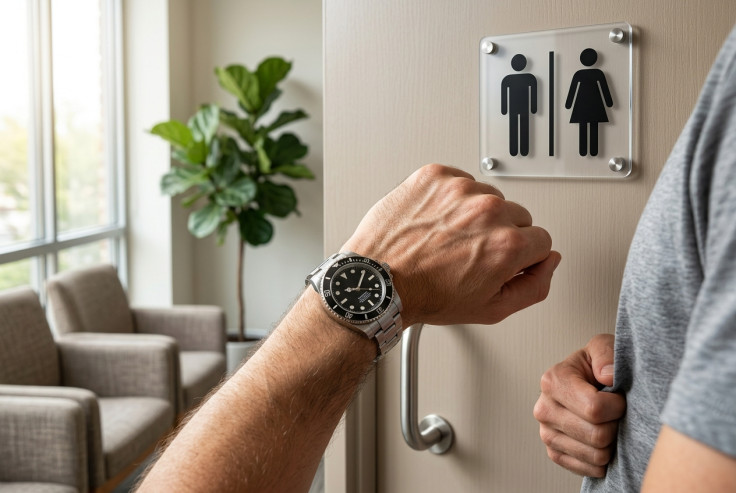
Frequent urination can be the first sign that something is wrong inside the body, NHS guidance says. A urinary tract infection is the usual cause, but it can also point to diabetes or, in rare cases, bladder cancer.
There is no single figure that counts as normal, and guidance stresses that what matters is what is typical for the individual. The pattern shifts at every stage of life, which makes a change the detail to watch rather than the count on any given day. Medical advice recommends seeing a doctor after a dramatic shift, even one within a person's usual range.
How Often Is Normal
Young children go most often, a consultant urologist explains, and the pattern settles as they grow. Anxiety, constipation, caffeine and holding on too long can push the count higher. Teenagers go less often than younger children, the specialist notes, though puberty can unsettle things.
If the problem carries on, the urologist warns, an infection, diabetes or too much caffeine may be to blame. Most adults settle into a steady daytime routine, with perhaps a single visit overnight. Women pass urine more often than men, according to a study cited by the urologist.
Pregnancy is a common trigger, as the growing baby presses on the bladder. The higher frequency can continue for weeks after giving birth, NHS pregnancy guidance says.
Urinary tract infections are also very common in women, the urologist adds, and they can bring burning, urgency and back pain alongside the extra trips.
Older adults find it harder to hold on, as kidney function declines and bladder muscles weaken. Health service guidance links night-time waking to the hormone that regulates how much water the body keeps.
Diuretics, medicines that draw fluid from the blood into the kidneys, add to the trips day and night. In men, the urologist says, the prostate grows with age and presses on the bladder.
What Can Make You Go More Often
Tea, coffee, alcohol and fizzy drinks can make the bladder overactive, the urologist says. How much a person drinks matters too, since fluid taken in has to come out. Diabetes can also be behind it, as the kidneys work harder to flush excess sugar from the blood.
Medical guidance points to interstitial cystitis too, a chronic bladder condition that causes pelvic pain and mimics an infection. An overactive bladder, weak pelvic floor muscles and calcium imbalances can all shift the pattern. Pressure from fibroids, constipation or an enlarged prostate can have the same effect.
Some blood pressure tablets, sedatives and mental health medicines list frequent urination as a side effect. Antihistamines can do it too, so a change soon after a new drug is worth raising with a pharmacist or GP.
When To See a Doctor
Someone may be going too often if the urge returns moments after finishing. Feeling thirsty all day despite constant trips, or waking repeatedly at night, points the same way. Doctors advise seeking help quickly if there is blood in the urine, or if it turns pink, red or brown.
Pain or burning, fever, back pain and new leaking also need checking. Cloudy or strong-smelling urine, difficulty passing it and discharge are further reasons to see a doctor. Weight loss without trying, new weakness and confusion in older adults warrant the same attention.
A doctor may test the urine, arrange scans or look inside the bladder to find the cause. Treatment follows, from antibiotics to pelvic floor therapy or surgery. Left untreated, some causes lead to dehydration, unmanaged blood sugar or spreading infection.
A simple diary of drinks and toilet trips helps a doctor spot the pattern behind it.
Frequently Asked Questions
- What is considered normal urination frequency?Normal frequency varies by age and individual, but significant changes should be monitored.
- What are common causes of frequent urination?Common causes include urinary tract infections, diabetes, caffeine intake, and certain medications.
- When should I see a doctor about frequent urination?Seek medical advice if you experience red flags such as blood in urine, pain, or significant changes in urination patterns.