
Can Children Get Migraines? Neurologists Explain the Symptoms Parents Often Miss
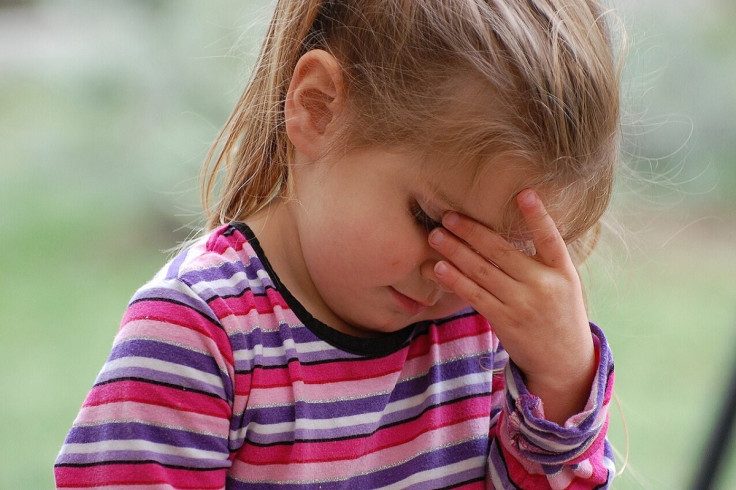
Childhood migraines can look different from adult headaches, making early recognition especially important. A child complaining of a headache may be experiencing something as simple as tiredness, dehydration or a viral infection. But repeated headaches accompanied by nausea, vomiting or sensitivity to light and sound can sometimes point to migraine.
Migraine is a neurological condition that can affect children and teenagers as well as adults. The symptoms may not always resemble the severe, one-sided headaches commonly associated with adult migraine, which can make childhood cases harder for parents to recognise.
What Does a Migraine Look Like in a Child?
Children can experience many of the same migraine symptoms as adults, but the pattern may differ.
A migraine attack can involve:
- Head pain. The pain may be moderate or severe and can affect both sides of the head, rather than being confined to one side.
- Nausea or vomiting. Some children experience prominent stomach symptoms during an attack.
- Sensitivity to light or sound. A child may want to lie somewhere dark and quiet.
- Dizziness. Some children report feeling unsteady or dizzy during an episode.
- Changes in mood or behaviour. Irritability, tiredness or withdrawal can sometimes appear before or during an attack.
According to the NHS, migraine in children can involve headache, nausea, vomiting and increased sensitivity to light or sound. Attacks can last from several hours to several days.
Why are Children's Migraines Easy to Miss?
One reason is that children may struggle to describe what they are experiencing.
A younger child may simply say their 'tummy hurts', become unusually quiet or ask to lie down. Others may repeatedly complain of headaches without being able to explain whether the pain is throbbing, pressing or accompanied by other symptoms.
Migraine can also be confused with ordinary childhood headaches. A pattern is particularly important: if episodes repeatedly occur with nausea, vomiting, light sensitivity or a need to rest in a dark room, parents should discuss them with a GP.
Can Migraine Cause Vomiting Without a Headache?
In some children, migraine-related conditions can produce prominent abdominal or vomiting symptoms.
Abdominal migraine, for example, can cause repeated episodes of moderate to severe abdominal pain, often accompanied by nausea, vomiting, loss of appetite or pallor. Headache may be absent during the abdominal episode.
This is one reason recurrent unexplained stomach symptoms should not automatically be treated as a digestive problem. A GP or paediatrician can consider the child's complete history, including whether headaches or migraine occur elsewhere in the family.
What Can Trigger Migraine in Children?
Triggers vary considerably between children. Keeping a diary can help families identify patterns rather than assuming that one particular food or activity is responsible.
Possible triggers include:
- Poor sleep. Changes in sleep patterns or insufficient sleep may contribute to attacks.
- Missed meals. Going too long without eating can be a trigger for some children.
- Dehydration. Not drinking enough fluids may increase the likelihood of headaches.
- Stress. School pressures, anxiety and emotional stress can play a role.
- Bright lights and sensory stimulation. Certain children may be particularly sensitive to light, noise or strong smells.
Not every suspected trigger will actually cause migraine, so a symptom diary can help distinguish coincidence from a recurring pattern.
Research Highlights the Growing Global Burden
The scale of migraine among young people has been highlighted by a 2025 study published in Frontiers in Public Health. Researchers Qian Wang, Rong Luo and Qianhui Wen, from the Department of Paediatrics at West China Second University Hospital, Sichuan University, Chengdu, China, and the Key Laboratory of Birth Defects and Related Diseases of Women and Children, Ministry of Education, analysed Global Burden of Disease data covering 204 countries and territories.
The researchers found that estimated migraine cases among children and adolescents aged five to 19 rose from about 165.7 million in 1990 to 205.7 million in 2021, a 24.17 per cent increase. Disability-adjusted life years also increased by 24.38 per cent, while females had a higher estimated burden than males.
The study also projected that, despite an expected decline in global age-standardised rates by 2035, adolescents aged 15 to 19 could continue to experience a disproportionately high burden. The authors highlighted underdiagnosis and unequal access to healthcare as ongoing challenges.
When Should Parents Take a Child's Headache Seriously?
Most childhood headaches are not caused by a dangerous condition. However, certain symptoms should prompt medical advice.
Parents should arrange a GP assessment when headaches:
- Keep returning or are becoming more frequent.
- Regularly interfere with school, sleep, sport or other activities.
- Are accompanied by repeated vomiting.
- Are increasingly severe or changing in pattern.
- Cause a child to rely regularly on painkillers.
A doctor may ask about the timing and duration of headaches, associated symptoms, sleep, diet, hydration, family history and possible triggers.
What are the Red Flags for a Serious Headache?
Some headache symptoms require urgent medical assessment rather than routine monitoring.
Seek urgent help if a child develops a sudden, extremely severe headache, particularly if it is unlike previous headaches. NHS guidance also advises urgent assessment when a severe headache occurs alongside symptoms such as confusion, drowsiness, weakness, vision problems, a high temperature with signs of meningitis, or following a significant head injury.
A headache that repeatedly wakes a child from sleep or is particularly severe first thing in the morning also warrants medical assessment, especially when accompanied by vomiting or other neurological symptoms.
How are Childhood Migraines Treated?
Treatment depends on the child's age, symptoms and how frequently attacks occur.
For some children, lifestyle measures can make a significant difference. Regular sleep, adequate hydration, consistent meals and identifying individual triggers may reduce attacks.
During an episode, children may benefit from resting somewhere quiet and dark. NHS guidance recommends treating migraine attacks early and using appropriate pain relief according to age and medical advice.
Children who experience frequent or disabling migraines may require further assessment and preventive treatment from a paediatrician or specialist.
Children can develop migraines, but their symptoms may be less obvious than the classic adult presentation. Recurrent headaches, vomiting, nausea, light or sound sensitivity and a strong need to rest can all provide clues.
Parents should keep track of recurring symptoms and discuss concerning or persistent headaches with a GP. Sudden, severe or unusual headaches accompanied by neurological symptoms require urgent medical attention.
Frequently Asked Questions
- What are the common symptoms of childhood migraines?Common symptoms include head pain, nausea, vomiting, sensitivity to light or sound, dizziness, and changes in mood or behaviour.
- When should a child's headache be taken seriously?Seek medical advice if headaches are frequent, interfere with daily activities, or are accompanied by symptoms like vomiting or severe pain.
- What can trigger migraines in children?Triggers can include poor sleep, missed meals, dehydration, stress, and sensory stimulation.
- How are childhood migraines treated?Treatment may involve lifestyle changes, pain relief, and in some cases, preventive treatment from a specialist.