
Is Your Headache Actually a Migraine? Key Symptoms That Can Help You Tell the Difference

A pounding head, pressure behind the eyes or a dull ache across the forehead can all be described as a 'headache'. However, not every headache is the same, and one of the biggest misconceptions is that a migraine is simply a more painful version of a headache.
In reality, migraine is a neurological condition with its own set of symptoms, triggers and treatment approaches. 'The one myth that really upsets me is that migraine is a bad headache,' says Dr David Watson, CEO and neuropsychologist at Alzheimer's Research Treatment Centre (ARTC). 'Migraine is a disease.'
Understanding the difference between migraines and common headaches can help people recognise symptoms earlier and seek appropriate treatment.
What Is a Headache?
A headache is a general term used to describe pain or discomfort in the head, scalp or neck area. It can occur for many different reasons, including stress, dehydration, tiredness or muscle tension. One of the most common types is a tension headache, which often causes:
- A dull, aching sensation
- Pressure or tightness around the forehead, temples or back of the head
- Mild to moderate pain
- Discomfort on both sides of the head
Unlike migraines, tension headaches usually do not cause significant disruption to daily life. 'A common tension headache typically presents as a diffuse, dull ache, often bilateral across the forehead or back of the head,' explains Dr Nick Bennett, a GMC-registered GP. 'It is usually mild to moderate.'
What Is a Migraine?
A migraine is a neurological condition involving abnormal signalling between the brain and nerves. While head pain is one of its most recognisable symptoms, migraine can affect the entire body. Migraine symptoms may include:
- Moderate to severe head pain
- Throbbing or pulsating pain
- Pain on one side of the head, although both sides can be affected
- Nausea or vomiting
- Sensitivity to light, sound or smells
- Visual disturbances or other sensory changes known as aura
'Migraine is a neurological disease characterised by abnormal signalling between the brain and nerves,' Dr Watson says.
Key Differences Between Migraine and Headaches
Location and Type of Pain
The location and sensation of pain can provide clues. Tension headaches often feel like pressure or a tight band around the head, while migraines are more commonly described as intense, throbbing or pulsating pain.
Migraines are often one-sided, although some people experience pain across both sides of the head.
Additional Symptoms
The presence of other symptoms is one of the biggest differences. People with migraines may experience:
- Light sensitivity (photophobia)
- Sound sensitivity (phonophobia)
- Smell sensitivity (osmophobia)
- Nausea and vomiting
- Visual changes
These symptoms are uncommon with typical tension headaches.
Impact on Daily Activities
A mild headache may be uncomfortable but often allows people to continue their normal routine. Migraines can be disabling. Many people need to lie down in a dark, quiet room until symptoms improve.
'Migraines often lead to significant functional impairment, forcing individuals to lie down in a dark, quiet room due to the severity of symptoms,' Dr Bennett says.
What Is a Migraine Aura?
Some people experience an aura before or during a migraine attack. An aura occurs because of temporary changes in brain activity and may cause:
- Flashing lights
- Blind spots
- Zigzag patterns in vision
- Tingling sensations
- Difficulty speaking
According to Dr Watson, aura symptoms are caused by 'waves of electricity moving through your brain prior to pain'.
Not everyone with migraine experiences aura.
What Triggers Migraines and Headaches?
Triggers vary between individuals, but there are some common patterns.
Common Headache Triggers
Tension headaches may be triggered by:
- Stress
- Dehydration
- Hunger
- Poor posture
- Lack of sleep
- Muscle tension
Common Migraine Triggers
Migraines often have more specific and varied triggers, including:
- Hormonal changes
- Lack of sleep
- Stress
- Alcohol
- Certain foods, such as aged cheeses or processed meats
- Strong smells or bright lights
- Weather changes
Identifying personal triggers can be an important part of migraine management.
How Are Migraines Diagnosed?
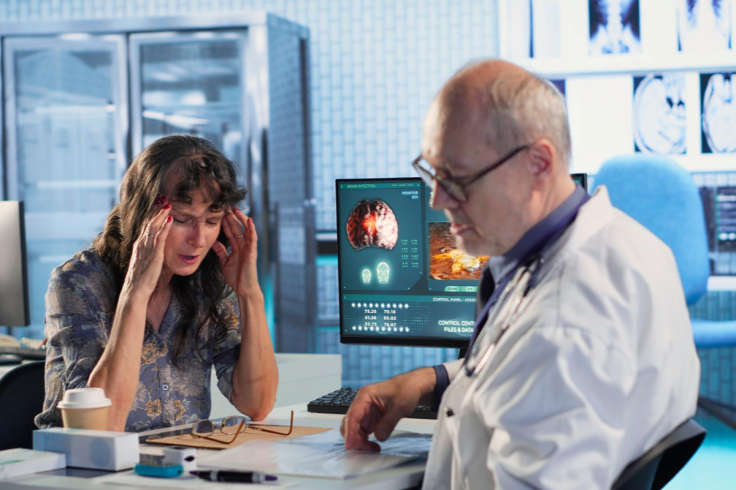
Migraine is usually diagnosed based on symptoms, patterns of attacks and medical history. Dr Watson explains that neurologists typically do not request brain imaging unless there are concerning warning signs. These 'red flags' may include:
- A sudden, severe headache described as a 'thunderclap' headache
- Headaches accompanied by neurological symptoms or seizures
- A first headache occurring after the age of 50
How Are Headaches and Migraines Treated?
Treatment depends on the cause and severity.
Treating Common Headaches
Many tension headaches improve with:
- Rest
- Hydration
- Stress management
- Over-the-counter pain relief such as paracetamol or ibuprofen, when suitable
Treating Migraines
Migraine treatment can be more complex. Acute treatments may include:
- Triptans, such as sumatriptan
- CGRP inhibitors
- Antiemetic medication
For people with frequent migraines, doctors may recommend preventative treatments, including:
- Beta-blockers
- Certain antidepressants
- Anti-seizure medications
- CGRP monoclonal antibodies
Lifestyle approaches, including identifying triggers, maintaining regular sleep patterns and staying hydrated, can also help reduce attacks.
Can Medical Cannabis Help With Migraines?
Some research has explored medical cannabis as a potential option for certain patients with chronic migraine symptoms.
Dr Bennett says medical cannabis may have a role for some people because of its potential pain-relieving, anti-inflammatory and anti-nausea effects. However, treatment decisions should always be discussed with a qualified healthcare professional.
When Should You See a Doctor About Head Pain?
Most headaches are not a sign of a serious condition. However, medical advice should be sought if headaches:
- Begin suddenly and severely
- Are new or significantly different
- Occur with seizures, confusion or weakness
- Develop after a head injury
- Appear for the first time after age 50
- Become increasingly frequent or severe
The Bottom Line
Although migraines and headaches are often used interchangeably, they are not the same condition. A headache is a symptom that can have many causes, while migraine is a neurological disease involving specific symptoms, triggers and patterns.
Recognising the difference can help people find the right treatment and avoid dismissing migraines as 'just a bad headache'. As Dr Watson emphasises, migraine is a medical condition that deserves proper recognition and care.
Frequently Asked Questions
- What is the main difference between a migraine and a headache?A migraine is a neurological condition with specific symptoms and triggers, while a headache is a general term for head pain.
- What are common symptoms of a migraine?Common symptoms include throbbing pain, nausea, vomiting, and sensitivity to light and sound.
- When should I see a doctor for head pain?Seek medical advice if headaches are severe, sudden, new, or accompanied by seizures, confusion, or weakness.