
Vomiting, Diarrhoea and Stomach Cramps? How to Tell If You Have Norovirus or Food Poisoning
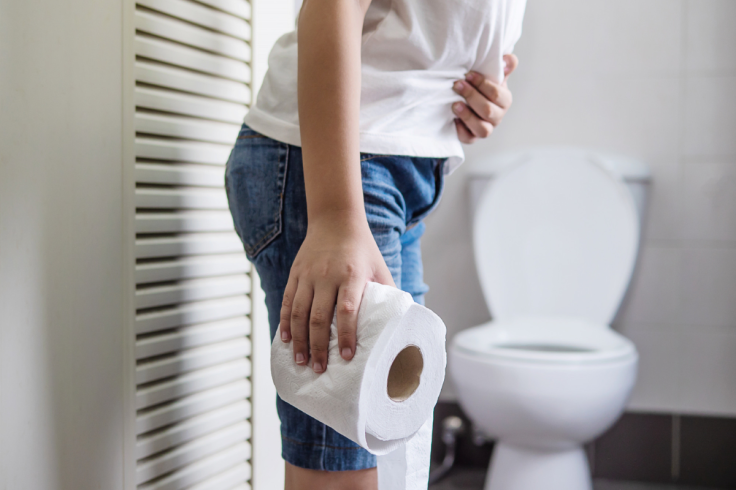
Few things can bring daily life to a halt faster than sudden vomiting, diarrhoea and stomach cramps. But when these symptoms appear, it can be difficult to know whether you have picked up norovirus, often called the 'winter vomiting bug', or developed food poisoning.
The two conditions can look remarkably similar. Both can cause vomiting, diarrhoea, stomach pain and nausea, and both can potentially lead to dehydration.
However, some clues can help distinguish them, particularly when symptoms started, whether other people are ill and what you may have eaten beforehand.
What Is Norovirus?
Norovirus is a highly contagious virus that causes inflammation of the stomach and intestines, known as acute gastroenteritis.
It spreads easily between people and can also be transmitted through contaminated food, water and surfaces. Outbreaks are particularly common in settings where people are in close contact, including schools, hospitals, care homes and cruise ships.
According to Dr Steven Goldberg, chief medical officer at HealthTrack and a family medicine physician, norovirus typically takes 12 to 48 hours after exposure to cause symptoms.
The illness commonly causes:
- Sudden nausea
- Vomiting
- Non-bloody diarrhoea
- Stomach cramps
- Mild fever in some people
'Symptom severity peaks within the first 24 hours,' Dr Goldberg says.
Vomiting and diarrhoea usually improve within a few days, although symptoms can last longerin some people, particularly young children. Infants can experience diarrhoea for longer, sometimes three to six days.
What Is Food Poisoning?
Food poisoning is a broad term for illness caused by consuming contaminated food or drink.
A range of bacteria, viruses, parasites and toxins can cause foodborne illness. Examples include Salmonella, Campylobacter, Escherichia coli (E. coli) and certain strains of Staphylococcus and Bacillus bacteria.
Because food poisoning has many possible causes, symptoms and timing can vary significantly.
Some foodborne illnesses cause symptoms within hours of eating contaminated food, while others may take several days to appear.
Symptoms can include:
- Nausea
- Vomiting
- Diarrhoea
- Abdominal cramps
- Fever
- Headache
- Weakness
Some infections can also cause bloody diarrhoea, depending on the organism responsible.
Norovirus vs Food Poisoning: What Is the Difference?
The biggest challenge is that there is no single symptom that can reliably distinguish norovirus from every type of food poisoning.
However, several clues can help.
1. How Quickly Symptoms Begin
Norovirus typically causes symptoms 12 to 48 hours after exposure.
Food poisoning can have a much wider incubation period. Certain toxin-producing bacteria can cause symptoms just a few hours after eating, while infections caused by other organisms may take days.
If several people who ate the same meal become ill within a short period, food poisoning may be more likely.
However, norovirus can also spread through contaminated food, so the circumstances alone cannot provide a definite diagnosis.
2. Vomiting and Diarrhoea
Norovirus is particularly associated with sudden vomiting and watery, non-bloody diarrhoea. Food poisoning can also cause these symptoms, but the pattern depends on the specific cause. Some foodborne infections are more likely to cause prominent abdominal cramps, fever or bloody diarrhoea.
3. How Long Symptoms Last
Norovirus is usually relatively short-lived.
Dr Goldberg says vomiting generally resolves within one to two days, although diarrhoea can continue for several days, particularly in young children. Food poisoning varies considerably. Some cases resolve within a day or two, while bacterial infections can last considerably longer.
Persistent or worsening symptoms therefore warrant medical assessment rather than assuming the illness is simply taking longer to pass.
Can Norovirus Cause Food Poisoning?
This is where the distinction can become confusing. Norovirus can be foodborne, meaning people can become infected by consuming food contaminated with the virus. But norovirus itself is not a bacterium or toxin typically described as 'food poisoning'. It is a viral infection that can spread through multiple routes, including contaminated food and water, person-to-person contact and contaminated surfaces.
In other words, food poisoning describes a route or category of illness, while norovirus identifies a specific virus.
How Do You Treat Norovirus and Food Poisoning?
For most uncomplicated cases, treatment focuses on preventing dehydration while the body clears the infection.
Drink Plenty of Fluids
Vomiting and diarrhoea can cause significant losses of water and electrolytes.
Dr Goldberg recommends appropriate oral rehydration solutions to replace both fluids and electrolytes, particularly when vomiting or diarrhoea is significant.
Water alone may not always provide the ideal balance of electrolytes and glucose needed during substantial fluid loss. Sugary drinks, soft drinks, sports drinks and fruit juice are not necessarily appropriate substitutes for oral rehydration solutions.
Resume Your Normal Diet
Once vomiting settles, most people can gradually return to their usual diet as tolerated.
There is generally no need to follow highly restrictive diets. Dr Goldberg specifically advises against restrictive approaches such as the once-popular BRAT diet. Dairy products do not automatically need to be avoided unless they clearly worsen symptoms, such as in cases of temporary lactose intolerance.
Do Antibiotics Help?
Not when the illness is caused by norovirus. 'Antibiotics are not helpful, as norovirus is a viral pathogen,' Dr Goldberg explains. Some forms of bacterial food poisoning may require medical treatment, but antibiotics should not be taken without appropriate medical advice.
How Can You Prevent Norovirus From Spreading?
Norovirus is extremely contagious, making hygiene particularly important.
One of the most important measures is washing your hands thoroughly with soap and water for at least 20 seconds.
Alcohol-based hand sanitiser should not be relied upon as the primary defence against norovirus, particularly when hands are visibly dirty or have been contaminated with faecal material.
Contaminated surfaces should also be disinfected appropriately, with chlorine bleach solutions recommended for areas affected by vomit or diarrhoea.
Soiled clothes and bedding should be washed using the highest suitable temperature and dried thoroughly on high heat.
When Should You See a Doctor?
Most healthy adults recover without complications, but vomiting and diarrhoea can become dangerous when they cause significant dehydration.
Seek medical advice if you experience:
- Very little or no urine
- A dry mouth
- Excessive sleepiness or unusual drowsiness
- Persistent vomiting
- Severe abdominal pain
- Blood in the stool
- A high or persistent fever
- Symptoms that are severe or fail to improve
Babies, young children, older adults and people with certain underlying health conditions can be particularly vulnerable to dehydration and may need medical attention sooner.
Conclusion
Norovirus and food poisoning can produce remarkably similar symptoms, so it is not always possible to determine the cause based on symptoms alone.
Norovirus often begins suddenly 12 to 48 hours after exposure, with vomiting and non-bloody diarrhoea among its most characteristic symptoms. Food poisoning, meanwhile, encompasses illnesses caused by numerous organisms and toxins, meaning its timing and symptoms can vary substantially.
Whatever the cause, hydration is one of the most important aspects of recovery. If symptoms become severe, persist, or are accompanied by signs of dehydration, blood in the stool or severe abdominal pain, seek medical advice rather than waiting for the illness to resolve on its own.
Frequently Asked Questions
- What is norovirus?Norovirus is a highly contagious virus that causes inflammation of the stomach and intestines, leading to symptoms like vomiting and diarrhoea.
- What causes food poisoning?Food poisoning is caused by consuming contaminated food or drink, which can be due to bacteria, viruses, parasites, or toxins.
- How can you prevent norovirus from spreading?Prevent norovirus by washing hands thoroughly with soap and water, disinfecting contaminated surfaces, and washing soiled clothes and bedding at high temperatures.
- When should you see a doctor for norovirus or food poisoning?Seek medical advice if you experience severe symptoms, dehydration, blood in the stool, or if symptoms persist or worsen.