Can't Stop Scratching? 10 Possible Reasons Behind Your Itchy Skin Symptoms
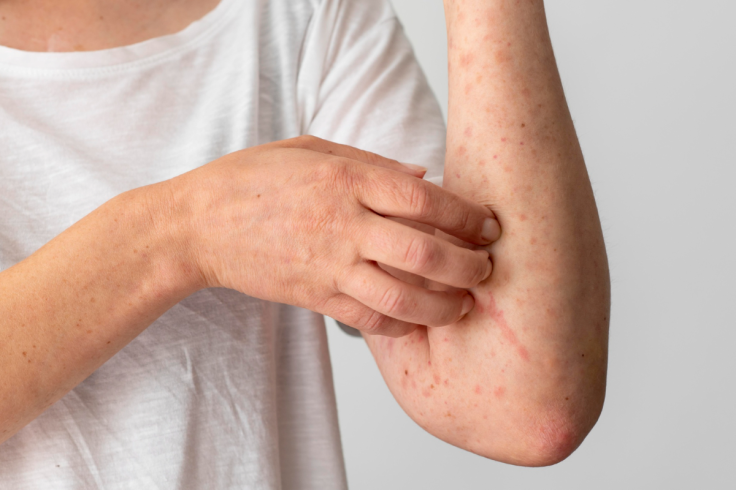
An occasional itch is usually nothing to worry about. A mosquito bite, dry winter air or a scratchy jumper can all trigger temporary itching that quickly settles down. But when itching becomes persistent, widespread or intense enough to disturb sleep, it is worth taking seriously.
Persistent itching, known medically as pruritus, is a common reason people visit their GP. The challenge is that it can have many different causes, and not all of them involve a visible rash.
'Persistent itching is a very common complaint in primary care,' says Dr Kyle Hoedebecke, Clinical Advisor at Alpas Wellness NOVA. 'It can be caused by many things, such as dry skin, eczema, allergies, contact irritation from soaps or detergents, insect bites and fungus. There are also certain types of medications and medical conditions that can cause itching without a rash.'
Here are 10 possible reasons you may be feeling itchy.
1. Dry Skin (Xerosis)
Dry skin is one of the most common causes of itching, particularly in older adults. Central heating, air conditioning, hot showers and harsh soaps can strip moisture from the skin.
The skin may look rough, flaky or cracked, and itching is often worse after bathing. Using a fragrance-free moisturiser several times a day is usually the first-line treatment.
Dr Hoedebecke says fragrance-free moisturisers are particularly helpful when itching is linked to dry skin.
2. Eczema (Atopic Dermatitis)
Eczema is an inflammatory skin condition that causes intense itching, redness and dry patches. Scratching can make the skin sore and increase the risk of infection.
According to Eczema UK, eczema affects around 1 in 5 children and 1 in 10 adults in the UK, making it one of the country's most common skin conditions.
Flare-ups may be triggered by stress, soaps, wool clothing, dust mites or certain foods.
3. Allergic Reactions
Itching can occur when the immune system reacts to something it sees as harmful. Common triggers include foods, medications, insect stings and latex.
Allergic itching may be accompanied by hives (raised, itchy welts), swelling or redness. Seek urgent medical help if itching occurs alongside difficulty breathing, wheezing or swelling of the lips or tongue.
4. Contact Dermatitis
This develops when the skin comes into contact with an irritant or allergen. Typical culprits include:
- Detergents
- Cleaning products
- Perfumes
- Hair dyes
- Nickel in jewellery
- Certain skincare products
The rash usually appears where the skin touched the substance and may burn or sting as well as itch.
5. Fungal Infections
Fungal infections such as athlete's foot, ringworm and jock itch often cause itching. The affected area may be red, scaly or ring-shaped.
Fungal infections tend to thrive in warm, moist areas of the body, so keeping the skin clean and dry is important. Antifungal creams are commonly used for treatment.
6. Insect Bites and Infestations
Mosquitoes, fleas, bed bugs and other insects can cause itchy bumps. Scabies, caused by tiny mites that burrow into the skin, is especially itchy at night and can spread easily through close contact.
If several household members become itchy at the same time, scabies should be considered.
7. Medication Side Effects
Some medicines can trigger itching with or without a rash. These include certain antibiotics, painkillers, blood pressure medications and opioid medicines.
Dr Hoedebecke says doctors will often ask whether any new medications have been started when investigating chronic itching. Never stop a prescribed medication without medical advice.
8. Liver Disease
Itching can occasionally be a sign of liver problems, particularly conditions that affect bile flow. The itching may be widespread and is often worse on the palms and soles.
Warning signs that need prompt medical assessment include:
- Yellowing of the skin or eyes (jaundice)
- Dark urine
- Pale stools
- Unexplained tiredness
- Abdominal swelling
Dr Hoedebecke stresses that itching accompanied by jaundice requires medical attention.
9. Kidney Disease
Chronic kidney disease can cause persistent itching, especially in advanced stages. The itch may affect large areas of the body and can be difficult to relieve.
People with kidney disease may also experience fatigue, swelling of the ankles, changes in urination and poor appetite.
10. Diabetes or Thyroid Problems
Diabetes can lead to dry skin, poor circulation and nerve changes that contribute to itching. Thyroid disorders may also cause skin dryness and itchiness.
As part of an assessment for unexplained itching, doctors may arrange blood tests for diabetes and thyroid disease.
What if I'm Itchy but Have No Rash?
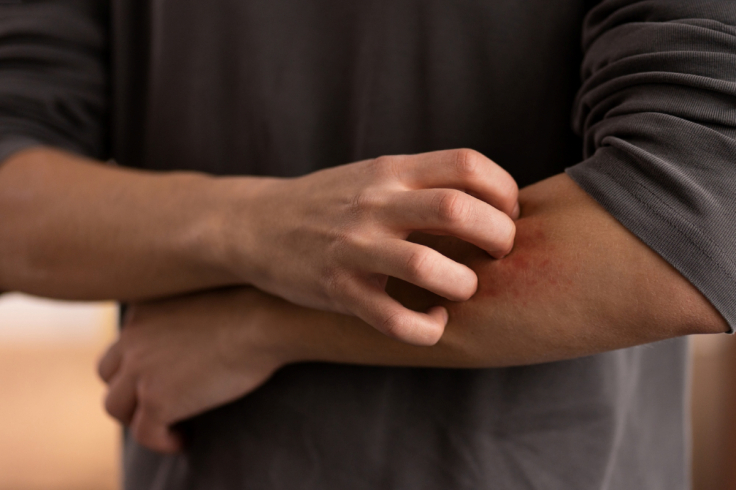
Many people assume that if they cannot see a rash, the itch cannot be serious. That is not always true.
'One of the biggest misconceptions people have regarding chronic itching is that since it doesn't involve a visible rash, it must be harmless,' says Dr Hoedebecke. 'This is not true. Chronic or unexplained itching warrants medical attention.'
A GP may ask when the itching started, where it occurs, whether it is worse at certain times of day and whether any new products or medications have been introduced. A full skin examination and blood tests may be needed.
What Can Help Relieve Itching?
Self-care measures can often ease mild itching:
- Use fragrance-free moisturisers regularly.
- Avoid very hot baths and showers.
- Choose gentle, soap-free cleansers.
- Wear loose cotton clothing.
- Keep rooms cool if heat makes itching worse.
- Avoid scratching; pat or press the skin instead.
- Keep fingernails short to reduce skin damage.
Topical steroid creams may be prescribed for inflammatory conditions such as eczema, while antihistamines are more useful for allergy-related itching.
'Antihistamines can help relieve itching associated with allergic reactions,' Dr Hoedebecke explains. 'However, antihistamines are typically less effective for relieving itching associated with dry skin or systemic disease.'
When Should You See a GP?
Book an appointment if itching:
- Lasts more than a few weeks.
- Keeps coming back.
- Disturbs sleep.
- Is severe or widespread.
- Occurs without an obvious cause.
- Is associated with a rash that is spreading, painful or infected.
Seek urgent medical advice if itching is accompanied by jaundice, swelling, fever, significant unexplained weight loss or other concerning symptoms.
The bottom line is that most itching is caused by relatively common problems such as dry skin, eczema or irritation. But persistent itching should not be ignored, especially when it affects daily life or occurs alongside other symptoms. Finding the underlying cause is the key to effective treatment and, in some cases, may help detect an important health problem early.