
Hackers Hijack French Blood Plasma Freezers, Set Temperatures to 110°C as Patient Safety Fears Erupt
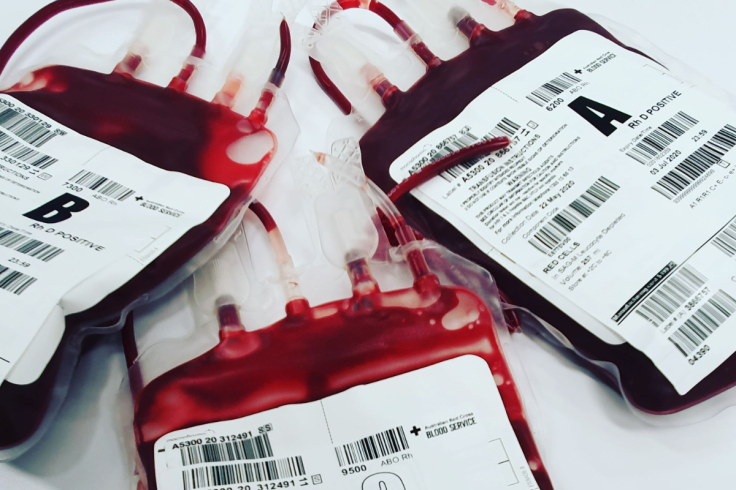
Cyber attackers have sabotaged refrigeration controls used at French blood storage facilities, remotely changing the temperature settings from approximately −30°C to 110°C in an attempt that threatened critical medical supplies.
The breach targeted Coolworld, a cooling equipment provider managing systems for the French Blood Establishment (EFS). The incident occurred overnight between 1 November and 2 November 2026, placing frozen blood plasma intended for transfusions at risk.
French news outlet Le Canard enchaîné reported that the tampering hit facilities in eastern France, including the Bourgogne-Franche-Comté region.
France's Health Ministry said an on-call technician detected the abnormal temperature rise during the night, allowing staff to intervene before any blood products were damaged. Three EFS facilities were affected, and stored products were transferred to other locations as a precaution. Officials confirmed that no blood products were lost, no patients came to harm and blood collection and distribution continued without interruption.
The sabotage has nevertheless sparked widespread public alarm over the deliberate targeting of lifesaving infrastructure.
'Destroying critical medical supplies that are essential for saving lives? That requires a special kind of fucking psychopath,' one online commentator wrote.
Another user remarked: 'What is wrong with these people? They're only doing harm without any benefit at all.'
Medical Freezers Breached Through Third-Party Provider
The attackers breached digital controllers that regulate industrial cooling containers. Instead of standard temperatures of around −30°C, the intruders reprogrammed target settings to a boiling 110°C.
The reported 110°C figure represented the temperature setting programmed by the attackers rather than a confirmed reading inside the freezers. Authorities have not disclosed the actual temperatures reached or how long the disruption lasted. However, prolonged exposure to heat rapidly degrades fresh frozen plasma, which international standards require keeping at or below −25°C.
Initial reports suggested the affected units stored donor monitoring samples. EFS later confirmed that therapeutic plasma prepared for hospital transfusions was also located inside the compromised units.
Authorities have not disclosed the exact number of units targeted, the duration of the thermal disruption, or whether digital attackers stole donor data.
Biological Risks of Temperature Failures in Blood Storage
Strict temperature controls are essential for preserving blood products and maintaining their suitability for transfusion.
Fresh frozen plasma must be rapidly frozen to preserve its clotting factors and stored at −25°C or below. Prolonged exposure to temperatures outside the recommended storage range can compromise plasma quality and the stability of its clotting factors, potentially making affected products unsuitable for transfusion.
Platelets, which help blood clot, are generally stored at controlled room temperatures between 20°C and 24°C with continuous gentle agitation to maintain their quality.
Cybersecurity Warnings Over Internet-Exposed Cooling Systems
The incident followed multiple cyber attacks against European supermarket freezers, where hackers forced cooling units into continuous defrosting cycles.
France's national cybersecurity agency, CERT-FR, issued a warning on 12 October about compromises involving remote refrigeration controllers from Danfoss, Copeland and Dixell. The agency advised operators to remove direct internet access to management interfaces and restrict remote maintenance to secure connections.
French authorities have not established a formal link between the supermarket incidents and the EFS breach.
To safeguard medical infrastructure, cybersecurity officials advise removing cooling systems from public networks and isolating remote management behind virtual private networks (VPNs). Operators must also update firmware, replace default passwords, and verify defrost schedules to prevent future hospital disruptions.