
UK Livestock Hit by Emerging Virus for First Time: Could Shamonda Pose a Risk to Human Health?
A virus primarily associated with livestock has raised fresh public-health questions after a severely immunosuppressed patient in France became the first person documented with a Shamonda virus infection.
The patient, who was receiving treatment for a serious underlying illness, died in early October. However, investigations have not established whether the virus caused or contributed to the death.
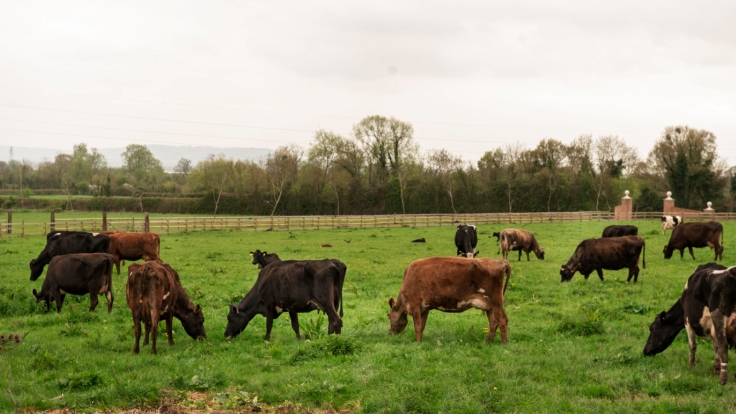
Now, British authorities have confirmed that Shamonda virus (SHAV) has been detected in cattle at two dairy farms, marking its first identification in livestock in Great Britain.
The Animal and Plant Health Agency (APHA) announced on 2 November that samples collected in October tested positive at farms in Powys, Wales, and Shropshire, England.
Although the discovery has prompted monitoring, authorities say the current risk to the general population is considered very low, with no evidence of wider human transmission.
How Does Shamonda Virus Spread?
Shamonda virus is an emerging livestock infection thought to spread between animals through bites from Culicoides midges, small biting insects. Further research is needed to establish which specific midge species are involved in transmission.
First isolated from cattle in Nigeria in 1965, the virus has since been reported in animals in several African countries and Japan. Its appearance in European farm animals during 2026 has prompted increased attention from animal-health authorities.
By October, infections had been identified in cattle and other animals across several European countries, including France, Germany, Ireland, Spain and Switzerland, as well as Jersey.
Cattle are the animals most commonly associated with the infection, although cases have also been identified in sheep, goats, horses and alpacas.
What Symptoms Can Shamonda Cause in Animals?
Infected cattle may develop diarrhoea, lethargy, reduced appetite and a temporary fever. Other reported signs include reduced rumination and a sudden drop in milk production. Some affected animals also experience reduced milk production, potentially creating financial difficulties for dairy farmers.
A study involving nine dairy farms in France found that milk production fell by as much as 75% in some affected herds.
Other reported complications in livestock include abortions and congenital abnormalities in offspring. Neurological problems have also been identified in some infected horses.
However, the long-term impact of the virus and the extent of its effects on European livestock remain uncertain.
Can Shamonda Virus Infect Humans?
The French case has raised questions about whether an infection previously associated with animals could pose a wider human-health threat.
According to the European Centre for Disease Prevention and Control (ECDC), the patient had a severely weakened immune system because of an underlying serious illness. Investigators believe infection may have occurred through a midge bite, although the precise route has not been confirmed.
There is currently no evidence of cattle-to-human or human-to-human transmission. The World Health Organization has also described the incident as an isolated case unlikely to lead to wider spread based on current knowledge.
The circumstances surrounding the infection remain under investigation, and one exceptional case does not establish that Shamonda poses a significant threat to healthy people.
What Should the Public Know About the UK Cases?
The UK government says Shamonda virus is not currently classified as a notifiable or reportable disease and that additional disease-control measures are not currently required.
Nevertheless, Defra, the Welsh Government, the Scottish Government and APHA will continue monitoring developments.
Livestock keepers are advised to watch for unusual symptoms and contact their private veterinarians if they have concerns.
For consumers, there is also reassurance: the Food Standards Agency says there is currently no evidence that Shamonda virus poses a food-safety risk.
The detection marks an important development in Britain's animal-health surveillance, but authorities say there is currently little reason for the wider public to be alarmed.