
Florida Bird Flu Outbreak Triggers Poultry Quarantine as CDC Confirms 75 Human Cases Nationwide Since 2024
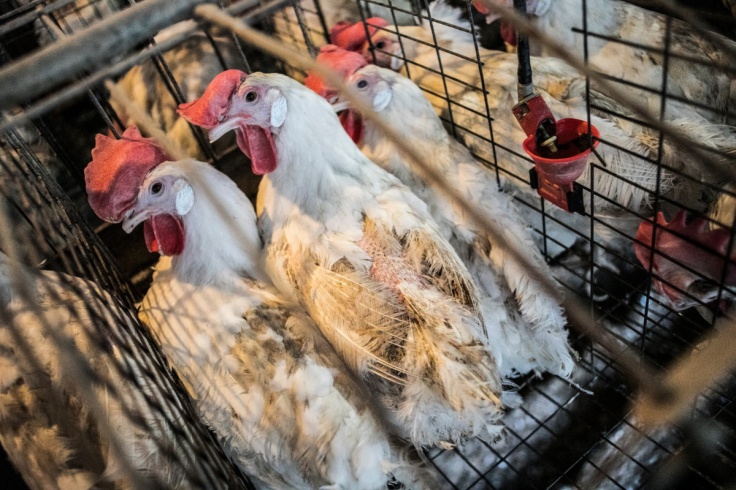
A Florida bird flu outbreak at a Cal-Maine Foods facility in Okeechobee County has prompted state agricultural authorities to impose a poultry quarantine. The restrictions, established on 19 November 2026, follow the detection of highly pathogenic avian influenza (HPAI).
Meanwhile, the US Centers for Disease Control and Prevention (CDC) confirmed on 23 November that 75 human cases of H5 bird flu and three associated deaths have been recorded nationwide since 2024.
The outbreak is expected to result in the depopulation of approximately 1.76 million birds. In an announcement on 18 November, Cal-Maine confirmed that production at its affected Florida facility had temporarily ceased under federal disease control protocols.
Despite the nationwide human infections, the CDC maintains that the risk to the general US public remains low. Health authorities have not identified person-to-person transmission of H5 bird flu in the country. No human infections have been reported in connection with the Cal-Maine facility.
Florida Bird Flu Outbreak Prompts Poultry Movement Restrictions
The Florida Department of Agriculture and Consumer Services (FDACS) established a quarantine zone north of Okeechobee that extends into a rural portion of western St. Lucie County.
The restrictions apply to poultry and poultry products rather than the general movement of residents. Permission from state agricultural authorities is required before transporting poultry or related products within, into or out of the designated area.
Okeechobee County officials have urged poultry owners to consult the official quarantine map before moving birds or poultry products.
'Avian influenza is a serious disease concern for the poultry industry and animal health officials,' FDACS said.
The department routinely monitors commercial poultry farms, backyard flocks, show birds and live bird markets for evidence of avian influenza.
Florida Bird Flu Outbreak Disrupts Cal-Maine Egg Production
Cal-Maine expects to cull approximately 1.4 million laying hens and 360,000 pullets, or young female chickens. The anticipated losses represent 2.7% of the company's total flock.
The Mississippi-based egg producer said it was coordinating production and distribution across its facilities to minimise disruption and maintain supplies to customers.
The company previously experienced bird flu outbreaks during its 2024 financial year and again in March 2026.
In its 18 November announcement, Cal-Maine said no eggs had been recalled because of HPAI. Citing US Department of Agriculture guidance, the company said the virus cannot be transmitted through safely handled and properly cooked eggs.
Cal-Maine expects to provide further information in its next quarterly report to the US Securities and Exchange Commission.
Florida Bird Flu Outbreak and the Risk of Human Infection
According to the CDC's 23 November update, the four most recent human infections involved dairy farm workers in Washington and Oregon. One patient in Washington died on 1 November.
Most confirmed human infections nationwide have resulted in mild illness. However, the CDC said all three deaths involved individuals at greater risk of serious complications because of their age or underlying health conditions.
Cal-Maine's announcement did not report any human infections associated with its Florida facility.
Dr Ben Anderson, an assistant professor in the University of Florida's Department of Environmental and Global Health, highlighted the distinction between agricultural outbreaks and broader public health risks.
'Although outbreaks in poultry can have substantial impacts on affected farms and poultry owners, the risk to the general public remains low,' Anderson said.
The CDC continues to monitor human infections and potential transmission between people. Individuals exposed to infected animals face a higher risk of infection and are advised to take appropriate precautions.
Florida residents have been advised against handling sick or dead birds. Poultry owners should follow recommended biosecurity measures, including preventing contact between domestic flocks and wild birds.