
Could a Meat-Only 'Lion Diet' Really Help Psoriasis? One Man's Dramatic Claim
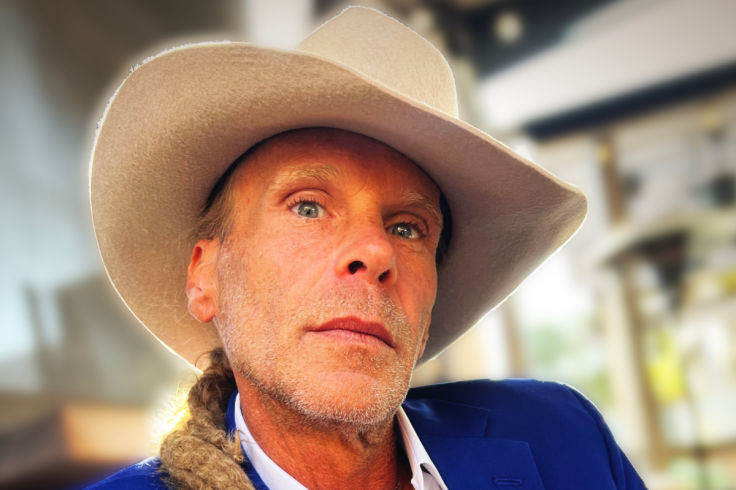
A Florida man who says psoriasis covered 90% of his body claims a meat-only diet cleared his skin within a month. Stephen Lashbrook, 50, told Fox News Digital that suicidal thoughts stopped within a week.
Psoriasis is an immune-mediated skin disease. Lashbrook's account is a personal claim, not evidence that the diet treats psoriasis, and no clinical research establishes the lion diet as a treatment.
A Desperate Search for Relief
Lashbrook, of Pensacola, said his depression began at age four, followed by chronic pain and sleeplessness in his teens. He said he was diagnosed with psoriasis in his early 20s.
He said he was 'probably 90% covered in psoriasis', describing his body as 'one big, giant, itchy, flaky scab'. He said creams, steroids and medicines had not helped, while doctors recommended long-term injections.
A TED Talk by Mikhaila Peterson then influenced his approach. Lashbrook said he cut sugar, grains, fruit and vegetables before committing on 1 January 2024 to the 'lion diet', centred on ruminant meat.
What the Diet Involves
Cleveland Clinic registered dietitian Maria Garcia Luis describes the lion diet as a restrictive elimination diet. It allows beef, lamb, goat, elk, bison, deer, salt and water, excluding most other foods.
Supporters believe removing dietary triggers may reduce inflammation, but the diet is not endorsed by medical professionals. Claims about autoimmune conditions and 'leaky gut' remain anecdotal.
Elimination diets are generally used briefly before foods are gradually reintroduced. Lashbrook, however, has remained on his version since January 2024.
He said his itching and suicidal thoughts stopped within a week and his skin cleared within a month. His diet is grass-fed ground beef and steak, and he said, 'I feel like I'm reverse ageing.'
Lashbrook said he eats one meal a day, with about 1½ to 2 pounds of ground beef. He also said he has not had follow-up bloodwork or seen a doctor since changing his diet.
Specialists Warn of Risks
Dr Michael Aziz, a New York City internist and regenerative medicine specialist, said cutting sugar and ultra-processed foods may help some people feel better. He stressed that this does not establish carnivore diets as psoriasis treatments.
Aziz warned that diets lacking fibre can cause constipation and may be associated with kidney stones and cardiovascular risks. His comments were general, rather than evidence that Lashbrook has experienced those complications.
Garcia Luis warned that eliminating nearly all food groups can cause nutritional deficiencies, including vitamin C. A lack of fibre can reduce gut microbial diversity and affect digestive health and immune regulation.
The diet is also high in saturated fat and cholesterol. High intake can increase LDL, or 'bad', cholesterol, which is associated with cardiovascular disease.
The Bigger Picture
Interest in meat-heavy diets has grown, including among public figures. Health and Human Services Secretary Robert F Kennedy Jr has said he follows a carnivore diet centred on meat and fermented foods, crediting it with weight loss and mental clarity.
Lashbrook's experience does not establish that the diet can treat psoriasis. Without follow-up medical assessment, the reported improvement remains an individual account, rather than a verified clinical outcome.
Garcia Luis said the lion diet may provide temporary symptom relief but is not a cure for chronic conditions. She recommends a balanced, evidence-based approach to nutrition.
Lashbrook is scheduled to share his story at Carni-Con, a virtual carnivore convention running 18–20 September. The official schedule lists him in an 18 September panel.