
Forensic Expert Claims Jeffrey Epstein Was Strangled From Behind After Autopsy Photos
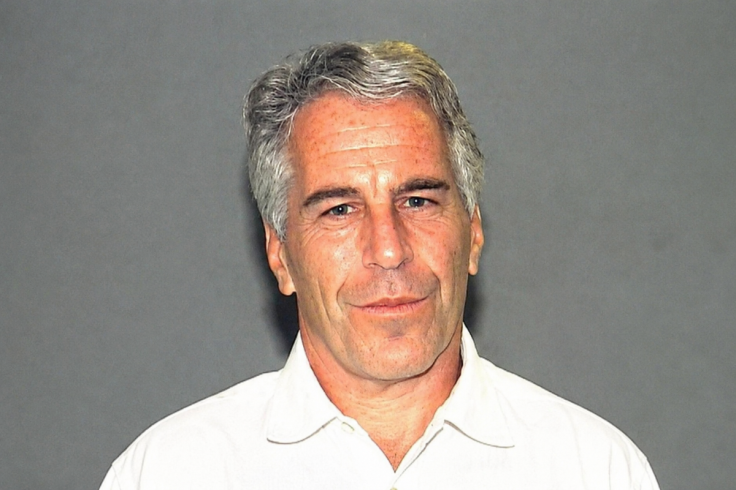
Professor Michael Freeman said his review of Jeffrey Epstein's autopsy records and photographs indicated that Epstein was strangled from behind, challenging the official finding that he died by suicide. Freeman presented his analysis in London on Monday. His conclusions have not been peer reviewed.
Epstein was found dead in his cell at Manhattan's Metropolitan Correctional Center on 10 August 2019 while awaiting trial on federal sex trafficking charges.
New York City's Office of Chief Medical Examiner conducted an autopsy the following day and ruled his death a suicide by hanging. A spokesperson told CBS News: 'Our office stands by its determination.'
What the Epstein Autopsy Photos Show
Freeman, editor-in-chief of the Journal of Forensic and Legal Medicine, presented his findings alongside Anders Eriksson of Umeå University and Itiel Dror, a researcher in forensic decision-making. He said his analysis was based on autopsy records and photographs supplied by Epstein's brother, Mark.
Freeman did not examine Epstein's body. He said he used a three-dimensional biomechanical model to assess whether the injuries could be explained by hanging. His report has not been peer reviewed.
Speaking to CBS News, Freeman said he identified a second, lower mark on Epstein's neck, at a different angle from the mark he considered consistent with hanging. 'There is no mechanism to produce a second mark that would be lower,' he said.
Asked whether Epstein could have made a failed first attempt, Freeman said it would have had to break the hyoid bone and thyroid cartilage while leaving him conscious. 'That's not what suicidal hangings do,' he said.
Freeman also cited deep bleeding in the left shoulder, an injury to the back, blunt-force trauma to the face and what he described as fingernail marks above the ligature mark. He said the injuries were 'most consistent with a homicidal strangulation from behind.'
He said a knotted piece of orange fabric seen in the cell could explain the marks, but it was not collected by the medical examiner.
Official Epstein Death Ruling Stands
Dr Barbara Sampson, who conducted Epstein's autopsy, told the Justice Department's inspector general that his injuries were more consistent with suicide by hanging than homicide by strangulation. She said investigators found no defensive wounds of the kind expected in a strangulation.
Sampson has previously said: 'I stand firmly behind our determination of the cause and manner of death for Mr. Epstein.'
Freeman told CBS News that an academic journal had rejected his report. He said reviewers considered it inappropriate to criticise a medical examiner's findings in a peer-reviewed paper, and that he planned to resubmit it.
In June, The New York Times reported that documents and Epstein's handwritten jail notes indicated he had considered ending his life. The newspaper said almost none of the experts it interviewed believed medical evidence alone could determine whether his death was suicide or homicide.
Documented Failures in Prison Handling
The Justice Department's investigation documented failures in the prison's handling of Epstein and the subsequent inquiry. Guard Michael Thomas reported finding Epstein's body at about 6:30am and described it as cold to the touch. Staff removed the body within minutes, and the cell was not sealed for forensic examination.
Most cameras in Epstein's wing were not working, according to the material provided. Justice Department records show that some guards falsified records and lied about their activities. Thomas was later charged with falsifying records and spoke to investigators two years after Epstein's death in exchange for leniency.
Freeman told CBS News he did not know who may have killed Epstein or how. He said: 'Was this a suicide? Not a mystery.'