Who Qualifies for Free NHS Prescriptions in England? The Exemptions Many People Don't Realise They Have
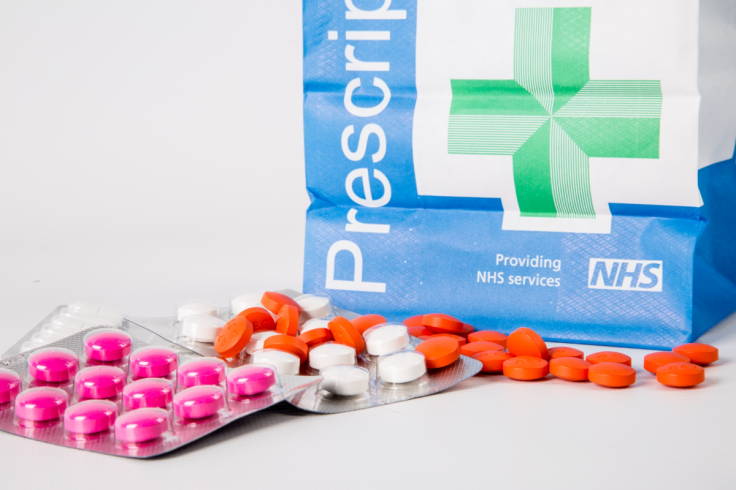
Prescription charges in England can add up quickly, especially for people who need regular medication. As of 2026, the NHS prescription charge in England is £9.90 per item, which means three medicines on one prescription cost £29.70.
However, many of people do not pay prescription charges at all because they qualify for an exemption. Understanding who is entitled to free NHS prescriptions is important not only for saving money but also for avoiding penalty charges that can arise from claiming incorrectly.
'Age does most of the work,' says Dr Dana Beiki, prescribing pharmacist and founder of Baudelaire Aesthetics in Bath. But pregnancy, certain medical conditions, low income and prescription prepayment certificates are also important routes to free prescriptions.
This guide explains the main exemption categories in England and highlights common misunderstandings that frequently lead to problems at the pharmacy counter.
First: Is This an England-Only Question?
Yes.
Prescription charges apply in England. Prescriptions are free for everyone in Scotland, Wales and Northern Ireland, so the rules discussed here apply only to people obtaining NHS prescriptions in England.
Automatic Age Exemptions
You can get free NHS prescriptions if you are:
- Under 16
- Aged 16, 17 or 18 and in full-time education
- Aged 60 or over
These are the simplest exemptions and usually require proof of age if requested.
Pregnancy and the First Year After Birth
Pregnant women can receive free NHS prescriptions with a valid maternity exemption certificate. The exemption may also continue for 12 months after the birth of the baby, provided the certificate remains valid.
Importantly, the exemption is not automatic; you must apply for the certificate through your GP, midwife or health professional.
Medical Exemption Certificates
Certain long-term medical conditions qualify for free prescriptions, but many people are surprised by how specific the list is. According to Dr Beiki, qualifying conditions include:
- Diabetes treated with medication
- Hypothyroidism requiring hormone replacement therapy
- Epilepsy requiring continuous treatment
- Addison's disease
- Hypoparathyroidism
- Myasthenia gravis
- A permanent fistula
- A physical disability that prevents you from going out without help
Cancer treatment has its own exemption certificate.
One of the most common misconceptions concerns diabetes. 'Diet-controlled diabetes does not qualify—the single most common misunderstanding I saw at the counter,' Dr Beiki says.
Another important point is that having the condition is not enough. You must hold a valid medical exemption certificate.
A Recent Rule Change
Dr Beiki notes that, from 16 July 2026, most new medical exemption certificates are valid for 10 years instead of five years. Cancer exemption certificates remain valid for five years.
Universal Credit and Other Income-Based Exemptions
You may qualify for free NHS prescriptions if you receive Universal Credit and your income falls below certain thresholds.
You qualify if your take-home pay in your last assessment period was:
- £435 or less, or
- £935 or less if your Universal Credit includes a child element or you have limited capability for work.
For couples, the threshold applies to combined household take-home pay.
Because benefit rules can change, it is worth checking the NHS eligibility checker if you are unsure.
The Universal Credit Tick-Box Problem
Dr Beiki highlights a little-known administrative issue that can cause confusion.
Some prescription forms still do not have a dedicated Universal Credit tick box. The official guidance in those cases may direct claimants to use the income-based Jobseeker's Allowance box instead.
This mismatch can lead to verification problems even when someone is genuinely entitled, so it is sensible to ask the pharmacist for guidance if the form is unclear.
What Happens If You Claim Incorrectly?
Many people worry that a mistake will immediately result in a fine, but the process is usually more gradual.
If the NHS cannot verify an exemption claim, it normally sends an enquiry letter first. Dr Beiki explains that if the letter is ignored for 28 days, a Penalty Charge Notice may be issued. The charge can include:
- The original prescription charge
- Up to five times the amount owed
- A cap of £100, plus possible additional surcharges if it remains unpaid.
Her advice is straightforward: 'Never guess a tick box, and never ignore the letter.'
What If You Think You Qualify but Are Not Sure?
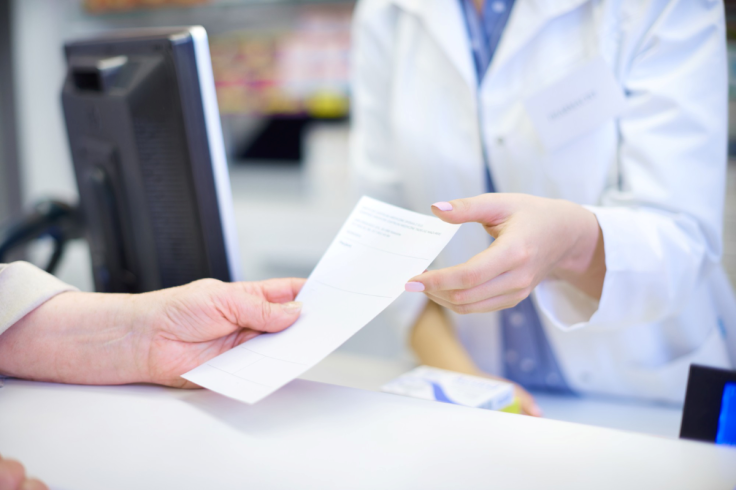
The safest option is often to pay for the prescription and request an FP57 receipt at the pharmacy. This receipt allows you to claim a refund later if your entitlement is confirmed.
Crucially, the FP57 must usually be issued at the time you pay; it generally cannot be issued retrospectively.
Prescription Prepayment Certificates
A Prescription Prepayment Certificate (PPC) is not technically a free prescription exemption, but it can reduce costs substantially for people who need regular medication. Current prices are approximately:
- £32.05 for 3 months
- £114.50 for 12 months
Dr Beiki says the maths is simple:
- More than 3 items in 3 months, or
- More than 11 items in a year
usually makes a PPC cheaper than paying per prescription item.
The HRT Prescription Certificate
People using qualifying hormone replacement therapy medicines can buy an HRT Prescription Prepayment Certificate for £19.80 per year, which covers unlimited eligible HRT items during that period.
For many women, this becomes cheaper than paying standard prescription charges after only a few prescriptions.
Common Myths About Free Prescriptions
'I Have Diabetes, So I Automatically Qualify'
Not necessarily. Only diabetes treated with medication qualifies for a medical exemption certificate.
'My Doctor Knows I Have the Condition'
Your GP knowing about the condition does not replace the requirement for a valid exemption certificate.
'One Prescription Means One Charge'
Charges are calculated per item, not per prescription form.
'Everyone on Universal Credit Gets Free Prescriptions'
Entitlement depends on your income level during the relevant assessment period.
A Quick Eligibility Checklist
You are likely to qualify for free NHS prescriptions in England if you are:
- Under 16
- Aged 16–18 in full-time education
- Aged 60 or over
- Pregnant
- Within 12 months of giving birth and hold a maternity exemption certificate
- Covered by a qualifying medical exemption certificate
- Receiving qualifying income-related benefits
- Receiving Universal Credit within the income thresholds.
The Bottom Line
Free NHS prescriptions in England are available through several routes, including age, pregnancy, certain medical conditions and low income. Yet many people either miss out on help they are entitled to or encounter problems because they assume they qualify without checking the rules.
If you are uncertain, ask your pharmacist, use the NHS eligibility checker or request an FP57 receipt when paying. A quick check at the pharmacy counter can prevent both unnecessary prescription costs and avoidable penalty charges later on.