
Trump Saw Susie Wiles as 'Weak' After Breast Cancer Diagnosis, Maggie Haberman Claims
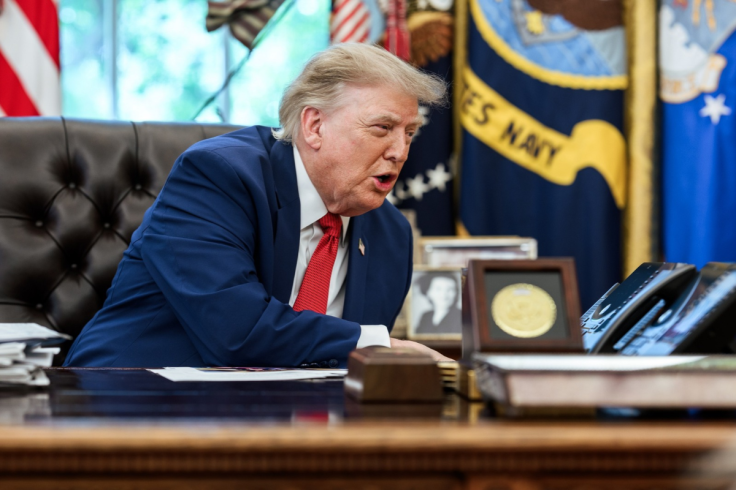
Donald Trump began picking on Susie Wiles after she was diagnosed with breast cancer because he viewed illness as a sign of weakness, according to New York Times reporter Maggie Haberman. Speaking on the Raging Moderates podcast on Monday, 16 November, Haberman said White House disorder became more visible around the time of Wiles's diagnosis, as she tried to continue working through treatment.
Haberman said the diagnosis did not create the administration's problems, but coincided with tensions becoming harder to conceal. Wiles had been a central figure in Trump's political operation for years, including his successful campaign for a second term, before taking the senior West Wing job in January 2025.
Trump's View of Illness and Wiles's Cancer Diagnosis
A veteran Florida Republican strategist, Wiles helped Trump win Florida in 2016 and later served as co-chair of his successful 2024 presidential campaign.
'He sees it as weakness. And so, he started picking on her,' Haberman said. She said people had told her and her colleagues privately that more visible White House chaos could be traced to around Wiles's diagnosis.
Haberman said Wiles was less physically present during treatment, although she tried to keep working. She added that Trump 'does not like' illness. Wiles announced in March 2026 that she had early-stage breast cancer and intended to remain in her position while receiving treatment.
She said doctors had detected the disease early and that she was encouraged by her prognosis. Trump praised her medical team and described the outlook as excellent. Wiles also publicly thanked him for his encouragement as she continued serving.
She did not disclose details of the treatment she was receiving. In September, Wiles said she was cancer-free after clear pathology results following an appointment at the Mayo Clinic.
On X, she wrote: 'I am cancer free,' and thanked her family, doctors and supporters, as well as Trump for his 'unwavering support'.
Some personal news I’m grateful to share. After a medical appointment at the Mayo Clinic this week, my pathology results came back clear.
— Susie Wiles (@SusieWiles47) September 16, 2026
I am cancer free.
Thank you to my family, friends, doctors, and everyone who prayed for me, checked in, and supported me along the way.
A…
Multiple Factors Behind Susie Wiles's White House Exit
Haberman cautioned against treating the diagnosis as the sole explanation for Wiles's departure. Asked whether controversy surrounding her daughter's lobbying work contributed to the split, she said there were 'a lot of reasons'.
She described the president's relationships with senior aides as having an uncertain lifespan. The issue has attracted scrutiny because Wiles's daughter, Katie, is a partner at Continental Strategy, a lobbying firm. The White House has said Katie did not discuss her business with her mother, while the firm maintains that she does not lobby the US government on behalf of clients.
The White House has said Katie did not discuss her business with her mother, while the firm says she does not lobby the US government for clients. Haberman also referred to officials holding overlapping roles in government and lobbying.
She contrasted Wiles's transactional political style with Stephen Miller's more ideological approach.
Stephen Miller Replaces Trump's Longtime Chief of Staff
Trump announced on 6 November that Miller would replace Wiles as White House chief of staff. Wiles submitted her resignation on 5 November, and Trump said she would move to his political operation.
He praised her work publicly while saying it was time for a change. The shake-up followed midterm elections in which Democrats won control of both chambers of Congress. Miller, a longtime Trump adviser and architect of the administration's hardline immigration policies, was appointed to replace Wiles on 6 November.
Wiles managed Trump's successful 2024 presidential campaign before becoming the first woman to serve as White House chief of staff. Haberman said she knew no more about Wiles's medical condition than what had been disclosed publicly.
Her account links the diagnosis to a reported change in Trump's behaviour, while recognising that several factors surrounded Wiles's departure.