
Heart Attack Symptoms Aren't Always the Same: How Signs Differ Between Men and Women
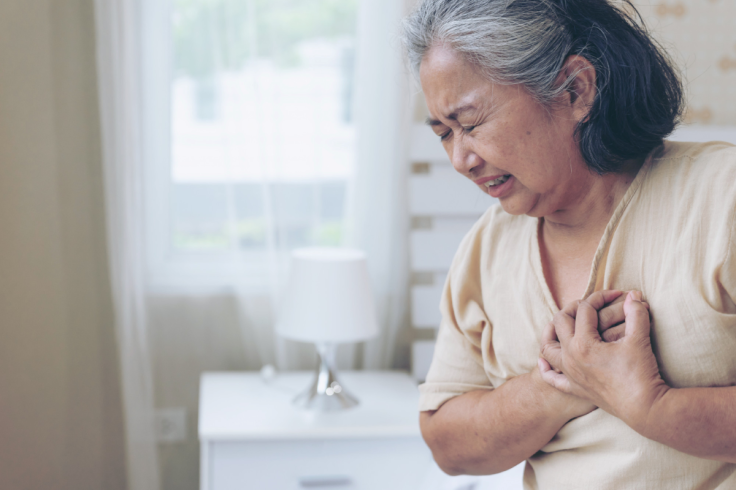
Heart attacks are often portrayed as sudden, dramatic events involving severe chest pain and someone clutching their chest. However, the reality can be far less obvious, particularly for women.
While chest discomfort remains the most common heart attack symptom in both women and men, women are more likely to experience additional symptoms such as unusual fatigue, nausea, shortness of breath, dizziness or pain affecting the jaw, neck, shoulders or back.
Recognising these warning signs matters because early treatment can significantly reduce damage to the heart muscle. As cardiologists often emphasise, 'time is muscle': the faster blood flow is restored to the heart, the better the chances of limiting permanent injury.
'The most common symptom of heart attack in both women and men is chest pain, pressure, tightness, heaviness, or discomfort,' said Dr Sireesha Vasireddy, a cardiologist at Medical City Heart Hospital in Dallas, whose speciality areas include women's heart health. 'Patients often describe it as a squeezing, aching, or pressure-like sensation rather than a sharp pain.'
Do Heart Attack Symptoms Differ Between Women and Men?
Although heart attack symptoms are sometimes described as 'different' between women and men, the distinction is often about how frequently certain symptoms occur rather than completely separate warning signs.
Both men and women commonly experience chest pain or discomfort, which may spread to the shoulders, arms, neck, jaw or back.
However, women are more likely than men to report accompanying symptoms, including:
- Shortness of breath
- Nausea or vomiting
- Unusual or extreme fatigue
- Dizziness or lightheadedness
- Discomfort in the jaw, neck, shoulders or upper back
'Compared with men, women are more likely to experience accompanying symptoms such as shortness of breath, nausea or vomiting, unusual fatigue, pain in the jaw, neck, shoulders or upper back, and dizziness or lightheadedness,' Dr Vasireddy explained.
Men, meanwhile, are more likely to present with chest pain as their dominant symptom, although they can also experience less typical signs.
Why Women May Experience Less Recognised Symptoms
One reason women's heart attack symptoms may appear less typical is that the underlying causes of heart disease can differ.
Dr Vasireddy explained that women are more likely than men to experience conditions such as coronary microvascular dysfunction, coronary artery spasms and plaque erosion, rather than the classic artery-blocking plaque rupture often associated with heart attacks.
'These mechanisms may produce a broader constellation of symptoms,' she said.
Biological differences, including hormonal influences, differences in pain perception and variations in the autonomic nervous system response, may also affect how women experience reduced blood flow to the heart.
However, symptoms such as fatigue, nausea or shortness of breath should not be dismissed as mild or harmless.
'These symptoms are not "less serious" than chest pain,' Dr Vasireddy said. 'They represent myocardial ischaemia just as chest discomfort does and warrant the same degree of urgency.'
Why Heart Attacks Are Sometimes Mistaken for Other Conditions
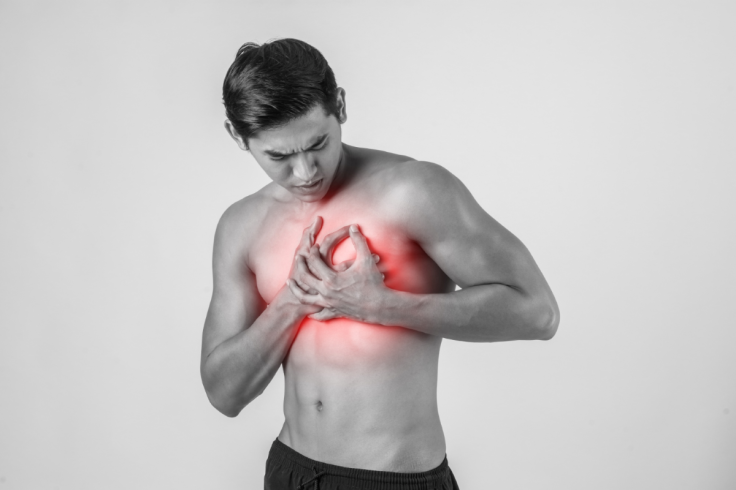
A major challenge in recognising heart attacks is that many warning signs overlap with other health issues.
Shortness of breath, nausea, fatigue and chest discomfort may be mistaken for acid reflux, anxiety, stress, muscle pain or a viral illness.
Dr Elizabeth Rubin, a board-certified physician and clinical advisor at Embers Recovery, said one common misconception in emergency departments is that a heart attack always involves extreme pain.
'The most common symptom of a heart attack in both men and women is chest pressure, tightness, or discomfort,' she said. 'However, a large number of patients, particularly women, present with non-traditional symptoms including unexplained shortness of breath, nausea, vomiting, severe fatigue, dizziness, or pain in the jaw, neck, back, or one or both arms.'
Women may also delay seeking medical help because they believe their symptoms are caused by exhaustion, indigestion or anxiety.
Historically, heart disease has been under-recognised in women, which has contributed to delays in diagnosis and treatment.
Risk Factors for Heart Attacks in Women and Men
Many heart attack risk factors affect both sexes. These include:
- High blood pressure
- High LDL cholesterol
- Diabetes
- Smoking
- Obesity
- Physical inactivity
- Chronic kidney disease
- Family history of early heart disease
- Increasing age
Women also have additional risk factors linked specifically to female health, including pregnancy-related complications.
'Women also have several female-specific cardiovascular risk enhancers, including hypertensive disorders of pregnancy, especially pre-eclampsia, gestational diabetes, preterm delivery, premature menopause and certain autoimmune diseases,' Dr Vasireddy said.
These factors can provide important information when doctors assess a woman's long-term cardiovascular risk.
When Should You Seek Emergency Help?
Anyone experiencing possible heart attack symptoms should seek emergency medical attention rather than waiting to see whether symptoms improve.
Warning signs that require urgent evaluation include:
- Chest pain, pressure, tightness or discomfort lasting more than several minutes
- Symptoms that return repeatedly
- Shortness of breath
- Cold sweats
- Nausea
- Fainting or dizziness
- Pain spreading to the arm, jaw, neck, shoulder or back
'Don't wait,' Dr Rubin advised. 'If you develop persistent chest discomfort, especially if it is associated with shortness of breath, sweating, nausea, or radiates to your jaw or arm, call EMS immediately.'
Calling emergency services rather than driving yourself to hospital can also allow treatment to begin sooner.
How Doctors Diagnose and Treat Heart Attacks
When someone arrives at hospital with possible heart attack symptoms, healthcare professionals assess the full clinical picture rather than relying on symptoms alone.
Diagnosis usually involves:
- A medical history and physical examination
- A 12-lead electrocardiogram (ECG)
- Blood tests measuring cardiac troponin levels
- Ongoing monitoring and repeat testing where necessary
Dr Rubin noted that an initial ECG may sometimes appear normal, making repeat testing important when doctors remain concerned.
Treatment depends on the type of heart attack but may include medications such as aspirin, antiplatelet drugs and anticoagulants. Some patients require procedures to restore blood flow, including percutaneous coronary intervention (PCI), while others may need coronary artery bypass surgery.
The Myth That Heart Disease Is Mainly a Men's Health Issue
One of the most persistent misconceptions is that heart disease mainly affects men.
However, cardiovascular disease remains a major cause of death among women worldwide.
Another myth is that women do not experience chest pain during a heart attack. In reality, most women do experience chest discomfort, but they may also have additional symptoms that make the condition harder to recognise.
Heart attacks do not always begin with dramatic pain. Symptoms can develop gradually and may feel unusual or difficult to explain.
Understanding the warning signs, regardless of sex, can help ensure faster treatment and better outcomes.
As Dr Vasireddy said, 'the sooner blood flow is restored to the affected coronary artery, the greater the opportunity to limit permanent myocardial damage and improve survival.'
Frequently Asked Questions
- What are the common symptoms of a heart attack?Common symptoms include chest pain, pressure, tightness, or discomfort, which may spread to the shoulders, arms, neck, jaw, or back.
- How do heart attack symptoms differ between women and men?While both may experience chest pain, women are more likely to have additional symptoms such as unusual fatigue, nausea, shortness of breath, dizziness, or pain in the jaw, neck, shoulders, or back.
- Why might heart attack symptoms be mistaken for other conditions?Symptoms like shortness of breath, nausea, and fatigue can overlap with conditions such as acid reflux, anxiety, or stress.
- What are some risk factors for heart attacks?Risk factors include high blood pressure, high LDL cholesterol, diabetes, smoking, obesity, physical inactivity, and family history of early heart disease.
- What should you do if you suspect a heart attack?Seek emergency medical attention immediately if experiencing symptoms like persistent chest pain, shortness of breath, or pain spreading to the arm, jaw, neck, shoulder, or back.