
Sleeping With Even a Little Light Could Be Bad for Your Heart, Study Suggests
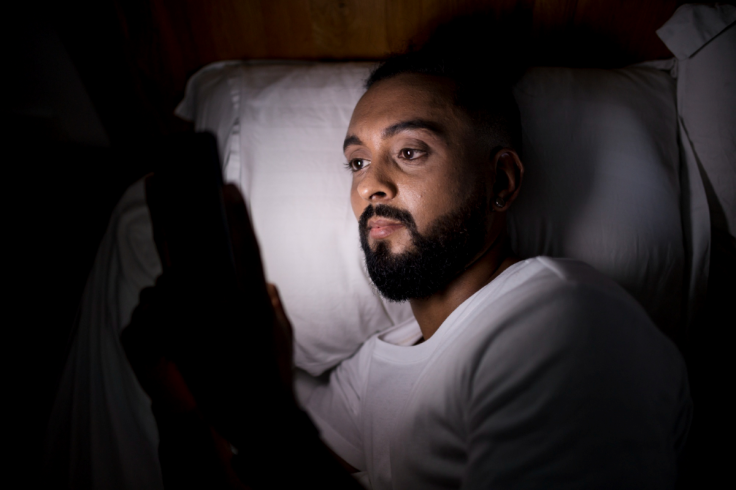
Keeping a bedroom completely dark at night may be more important for heart health than previously thought. New research suggests that exposure to even relatively low levels of light while sleeping could be linked to subtle changes in the heart that may increase cardiovascular risk over time.
The study, published in the European Heart Journal, analysed 11,071 UK adults who wore wrist devices to measure their exposure to light. Around three years later, researchers used cardiovascular magnetic resonance imaging (MRI) to examine their heart structure and function.
How Much Light Is Too Much?
Researchers focused on nighttime exposure above 3 lux, a relatively low level of illumination. For context, moonlight can be below 3 lux, while light from smartphones and other indoor sources can be considerably brighter.
People exposed to higher levels of nighttime light had several measurable differences in their hearts compared with those experiencing darker conditions.
These included a 2.4% greater left ventricular mass, a 1.5% greater average heart wall thickness, and a 1.9% lower myocardial contraction fraction. Researchers also identified subtle changes involving the right ventricle and left atrium.
The differences were small and did not mean that participants had cardiovascular disease. However, the researchers said they could represent early signs of cardiac remodelling, a process in which the heart's structure and function change in response to chronic stress or injury.
Over time, cardiac remodelling can contribute to conditions such as heart failure and atrial fibrillation.
Why Could Nighttime Light Affect the Heart?
One possible explanation involves the body's circadian rhythm, the internal 24-hour clock that helps regulate sleep, hormones, blood pressure, and other biological processes.
Light is one of the strongest signals that controls this system. Exposure to light during the night can interfere with normal circadian signalling and suppress melatonin, potentially affecting sleep quality and other processes involved in cardiovascular health.
The researchers found that shorter sleep accounted for between 24% and 49% of the associations between nighttime light exposure and several cardiac measurements. This suggests that disrupted sleep may explain part, but not necessarily all, of the relationship.
The findings also build on previous research. A 2025 study published in JAMA Network Open followed 88,905 UK Biobank participants for about 9.5 years. Those exposed to the brightest nighttime conditions had higher risks of several cardiovascular conditions compared with people exposed to the darkest conditions.
The risks were 23% to 32% higher for coronary artery disease, 45% to 56% higher for heart attack, 28% to 32% higher for atrial fibrillation, and 26% to 43% higher for stroke.
Should You Sleep in Complete Darkness?
The latest findings do not prove that sleeping with a light on directly causes heart disease. Both studies were observational, meaning they identified associations rather than establishing cause and effect.
Still, reducing unnecessary nighttime light is a relatively simple change that may support healthier sleep and circadian rhythms.
Experts suggest using blackout curtains or shades if outdoor light enters the bedroom, turning electronic devices away from the bed, and covering unnecessary indicator lights. If a nightlight is necessary, using the dimmest warm-coloured light that provides enough visibility may help.
Getting bright natural light during the daytime, particularly in the morning, can also help reinforce the body's circadian rhythm.
For now, the evidence does not mean that a small amount of light during sleep will damage everyone's heart. But if your bedroom is routinely illuminated at night, making it darker could be a simple step towards better sleep and potentially better cardiovascular health.
Frequently Asked Questions
- Why is it important to sleep in complete darkness?Sleeping in complete darkness may support healthier sleep and circadian rhythms, potentially reducing cardiovascular risk.
- How does light exposure at night affect the heart?Exposure to light at night can interfere with circadian rhythms and suppress melatonin, potentially affecting sleep quality and cardiovascular health.
- What are some simple ways to reduce nighttime light exposure?Use blackout curtains, turn electronic devices away from the bed, cover indicator lights, and use dim warm-coloured nightlights if necessary.