
Feeling Your Heart Race or Flutter? Common Causes of Heart Palpitations and When to Worry
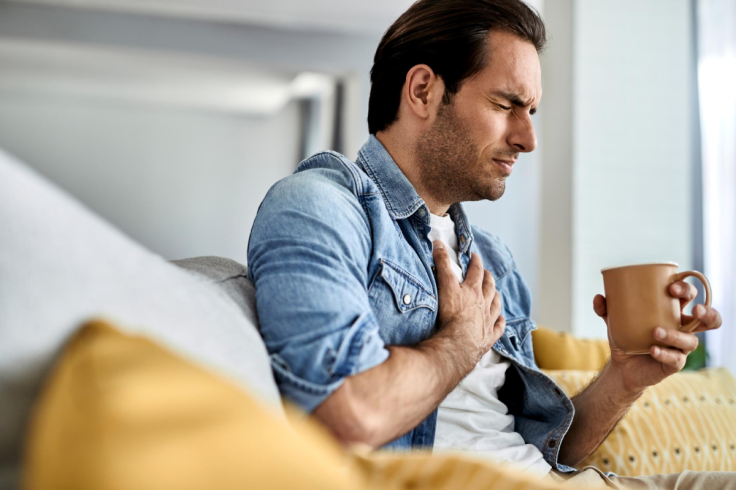
A sudden fluttering feeling in your chest, a skipped heartbeat or the sensation that your heart is racing can be unsettling. Known as heart palpitations, these sensations are extremely common and can happen even in people without heart disease.
For many people, palpitations are harmless and may be triggered by everyday factors such as stress, caffeine, lack of sleep or exercise. However, in some cases, they can be linked to an abnormal heart rhythm that requires medical assessment.
'Palpitations are symptoms of fluttering or skipping heartbeats within the chest,' says Dr Bradley Serwer, an interventional cardiologist and chief medical officer at VitalSolution, an Ingenovis Health company. 'They are very common, and most people experience them at some point in their lives.'
Understanding what causes palpitations and recognising warning signs can help determine when symptoms are likely to be harmless and when they require further investigation.
What Are Heart Palpitations?
Heart palpitations describe the sensation of being aware of your heartbeat. People may describe them as:
- A fluttering feeling in the chest
- A pounding or racing heartbeat
- A skipped beat
- Extra beats
- A feeling that the heart briefly pauses and then starts again
Although palpitations can feel alarming, they do not always mean there is a serious problem. Dr Serwer explains that palpitations typically occur because of variations in heart rhythm, including premature heartbeats or sudden-onset rapid rhythms.
Premature beats happen when the heart receives an early electrical signal, causing an extra heartbeat before the normal rhythm resumes. These can occur in the upper chambers of the heart, known as premature atrial contractions (PACs), or the lower chambers, known as premature ventricular contractions (PVCs).
Common Causes of Heart Palpitations
Stress and anxiety
Emotional stress, anxiety and panic can trigger the release of adrenaline, which increases heart rate and makes people more aware of their heartbeat.
Stress-related palpitations are among the most common causes and often improve when the body returns to a calmer state.
Caffeine and stimulants
Coffee, energy drinks and other sources of caffeine can stimulate the nervous system and contribute to palpitations in some people.
Other stimulants, including nicotine and certain medications, may also affect heart rhythm.
Alcohol and tobacco
Alcohol consumption and smoking can increase the likelihood of palpitations by affecting the heart's electrical system.
Dehydration and electrolyte imbalance
The heart relies on minerals such as potassium and magnesium to maintain a normal rhythm. Dehydration or electrolyte disturbances can contribute to irregular heart sensations.
Hormonal changes
Changes in hormone levels, including those associated with menstruation, pregnancy or menopause, may trigger palpitations in some people.
Exercise
A faster heartbeat during physical activity is normal, but some people notice palpitations during or after exercise, particularly if they are dehydrated or consuming stimulants.
Can Heart Palpitations Be a Sign of a Heart Problem?
Most palpitations are not dangerous, but the risk depends on the underlying cause.
'Palpitations are typically benign, but the risks are based on the underlying cause of the palpitations,' Dr Serwer explains.
When palpitations are caused by premature heartbeats such as PACs or PVCs, they are usually harmless.
However, certain abnormal heart rhythms can require treatment. Conditions that may cause palpitations include:
Atrial fibrillation (AFib)
Atrial fibrillation is an irregular heart rhythm that affects the upper chambers of the heart. It can increase the risk of blood clots, stroke and heart failure if left untreated.
Supraventricular tachycardia (SVT)
SVT causes episodes of an unusually fast heartbeat. Some people experience weakness, dizziness or a feeling that they may faint.
Ventricular tachycardia (VT) and ventricular fibrillation (VFib)
These are more serious rhythm problems that affect the heart's lower chambers. Without rapid treatment, they can become life-threatening.
When Should You Worry About Heart Palpitations?
While occasional palpitations are often harmless, certain symptoms should not be ignored. Seek medical advice if you experience:
- New or sudden-onset palpitations
- Palpitations that frequently return or worsen
- Dizziness or feeling faint
- Fainting or near-fainting
- Chest pain
- Shortness of breath
- A known history of heart disease
- A family history of inherited heart conditions
Dr Serwer recommends seeking immediate medical attention when palpitations are accompanied by chest pain, breathing difficulties, fainting or near-fainting. 'It is important to identify what is causing the palpitations and to determine if there is a reversible cause,' he says.
How Are Heart Palpitations Diagnosed?
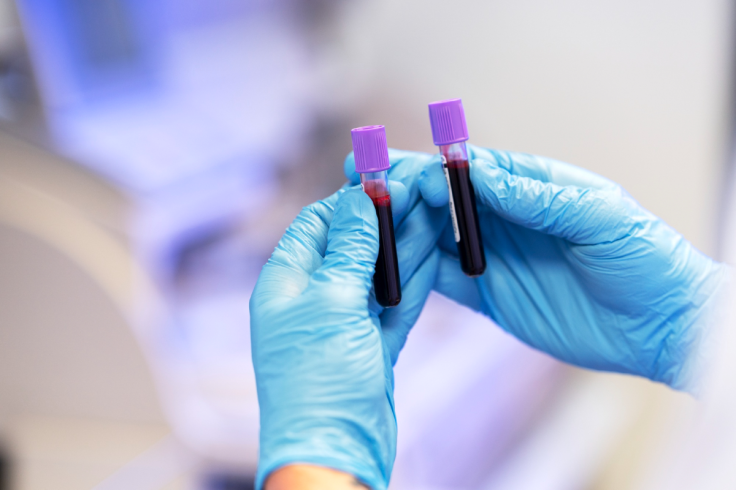
Doctors usually begin by discussing symptoms, medical history and possible triggers.
They may ask:
- When the palpitations started
- How long episodes last
- Whether they happen during activity or rest
- Whether other symptoms occur at the same time
- Whether there is a family history of heart problems
Testing may include:
Heart monitoring
Doctors often use wearable heart monitors to record heart rhythm over time and identify abnormal patterns.
Blood tests
Blood tests may check:
- Thyroid function
- Kidney function
- Electrolyte levels
These can identify conditions that may contribute to abnormal heart rhythms.
How Can You Reduce Heart Palpitations?
Managing triggers can help reduce symptoms.
Dr Serwer recommends:
Limit Caffeine and Stimulants
Reducing coffee, energy drinks, tobacco and stimulant-containing medications may help prevent episodes. Some over-the-counter cold and flu medicines contain decongestants that can worsen palpitations.
Stay hydrated
Dr Serwer advises maintaining good hydration by drinking around 64 ounces (approximately 1.9 litres) of non-caffeinated and non-alcoholic fluids daily, unless advised otherwise by a healthcare professional.
Manage stress
Relaxation techniques such as deep breathing, meditation, yoga or counselling may help reduce stress-related palpitations.
Understand your family history
Some inherited heart conditions can first appear as palpitations. Knowing whether close relatives have experienced heart rhythm problems can help doctors assess risk.
The Bottom Line
Heart palpitations are common and often harmless, especially when caused by stress, caffeine or temporary changes in the body. However, they can sometimes signal an underlying heart rhythm problem.
The most important factors are the pattern of symptoms and whether other warning signs are present. Palpitations accompanied by chest pain, shortness of breath, dizziness or fainting require prompt medical attention.
If you experience recurring or unexplained palpitations, speaking with a healthcare professional can help identify the cause and determine whether treatment is needed.
Frequently Asked Questions
- What are heart palpitations?Heart palpitations are sensations of fluttering, pounding, or racing heartbeats.
- When should I worry about heart palpitations?Seek medical advice if palpitations are new, frequent, or accompanied by chest pain, dizziness, or fainting.
- What are common causes of heart palpitations?Common causes include stress, caffeine, dehydration, and hormonal changes.
- How can I reduce heart palpitations?Reduce caffeine, stay hydrated, manage stress, and understand your family history.