
When Breast Cancer Spreads to the Brain and Spine, This Serious Complication Can Occur
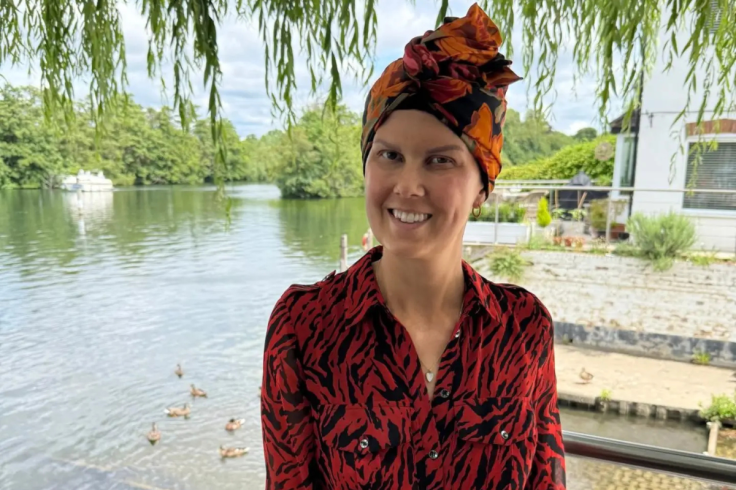
A woman told she had a breast cancer complication, with survival measured in months, has been given a clear scan. Annie Fields, 37, from Manchester, was diagnosed with leptomeningeal disease last year.
The condition occurs when cancer cells reach the membranes and fluid around the brain and spinal cord. From there, they can circulate in the fluid and spread through the central nervous system.
Median survival is under six months, according to Duke University School of Medicine researchers. They call it rare, but say it is seen more often as people live longer with the disease.
'It's a terrible complication,' said Dorothy Sipkins, who led the Duke research. She called the symptoms debilitating.
'I didn't think it was possible to have no sign of cancer after being diagnosed with leptomeningeal disease,' Fields said. She is now scanned every three months.
How the Cancer Gets In
The Duke study, published in the journal Science in June 2024, set out a previously unknown shortcut. It was carried out in mice.
Breast cancer cells first moved into the bone marrow of the skull. They then travelled along small vessels passing through openings in the bone.
'These tumour cells grab onto the outside of these blood vessels and basically shimmy down the vessel like a fireman sliding down a fireman's pole,' Sipkins said.
The cells carried a receptor called integrin alpha6, which they used to grip a protein coating those vessels. Sipkins said that protein, laminin, appears to grease the pole.
She hopes the marker can show which women with cancer in the bone are most at risk. The team also studied how the cells survive.
In the mice, the cells stayed close to immune cells called macrophages and made them release a protein. That protein normally protects brain cells, and it helped the cancer grow.
Warning Signs and Key Tests
A published medical review of breast cancer's neurological complications calls the condition rare but severe. Warning signs include severe headaches, weakness and changes in mental state.
Diagnosis usually rests on scans and on fluid taken from around the spinal cord by lumbar puncture. The fluid is checked for cancer cells, the review says.
Treatment differs from that used when cancer spreads to the brain itself, the review says. It usually combines chemotherapy with supportive care, and the outlook is often poor.
Brain spread affects 10 to 16 per cent of advanced breast cancer patients, the review estimates. Triple-negative tumours carry a higher risk.
A Mother's Unexpected Clear Scan
Fields was diagnosed with triple-negative breast cancer at 32 after finding a lump. She was given the all clear, then learned in 2024 that it was back at stage four.
She was 35 weeks pregnant when doctors found a 3.5cm tumour at the back of her brain and a trace on her left lung. She had an early emergency caesarean.
A seven-hour operation removed the brain tumour, and radiotherapy followed. She was very ill for weeks afterwards.
She had previously joined the PARTNER trial, which pairs targeted therapy with chemotherapy. Immunotherapy followed on the LION trial, led by the Cancer Research UK Manchester Institute and The Christie NHS Foundation Trust.
The cancer later returned in her liver and brain. Surgeons removed half her liver, and chemotherapy followed, bringing months of fatigue.
Her most recent scans showed no evidence of cancer. She is booking trips with her family again and will join Cancer Research UK's Shine Night Walk on 2 October.
'Cancer research is vital,' she said. 'The treatments and clinical trials I've been involved in simply wouldn't exist without it.'