
Six Flags X2 Rollercoaster Remains Closed After Two Riders Suffer Severe Brain Injuries
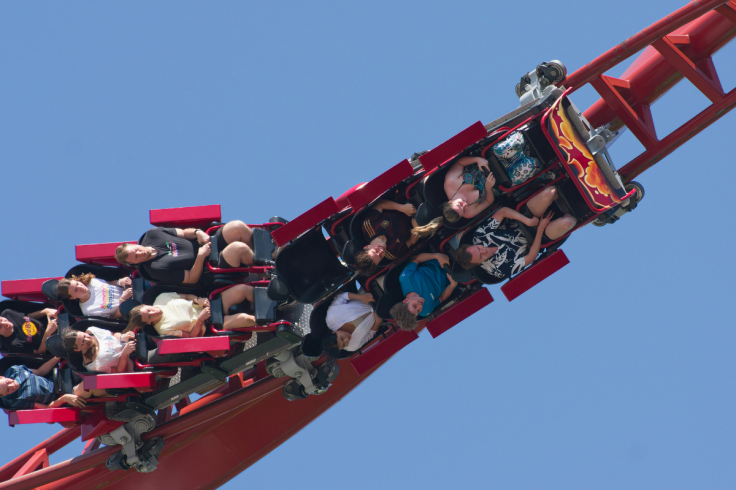
Six Flags Magic Mountain's X2 rollercoaster has been closed since 12 July, after two women suffered severe brain injuries within six days of each other. The cases were detailed in a recent CNN investigation.
Six Flags describes X2 as a four-dimensional rollercoaster whose seats rotate 360 degrees independently of the track. It rises about 200ft and reaches speeds of up to 76mph.
Pamela Guillen, 40, lost consciousness shortly after riding X2 on 5 July. Doctors found an acute subdural haematoma and brain compression, and she remained unconscious for about two weeks following emergency surgery.
She continues to have headaches and takes medication to prevent seizures. Six days later, Naomi Greer-Wilkinson, 25, also lost consciousness after riding and was taken to hospital with a severe traumatic brain injury.
She underwent emergency surgery and remained in a coma at the time of reporting. Three neurosurgeons who treated the women said in an email reviewed by CNN that, in their professional opinion, the injuries resulted from a traumatic rapid acceleration-deceleration event experienced on the X2 ride.
What Happens to the Brain
A subdural haematoma is a bleed between the brain and the tough membrane covering it. Blood collects in that space and presses on brain tissue, which is what doctors mean by brain compression.
A subdural haematoma can occur when rapid acceleration or deceleration causes the brain to move within the skull, potentially tearing small blood vessels. It can also result from a direct blow to the head. When the head accelerates or stops abruptly, the brain shifts inside the skull and the small veins crossing that space can tear.
Symptoms described in reports involving X2 riders have included loss of consciousness, severe headaches, blurred vision, difficulty walking and seizures. Symptoms can sometimes develop gradually, depending on the type and severity of the bleeding.
CNN reported that the women's injuries were similar to those doctors encounter after high-speed collisions or other violent accidents, and it said it found no evidence that either woman had experience such an event outside the ride.
A Pattern of Reported Injuries
A CNN review of medical records, depositions and legal filings found more than a dozen reports of serious injuries and hospitalisations associated with X2 over nearly two decades. Two riders who suffered injuries after riding X2 later died.
Records reviewed in the CNN investigation describe a 17-year-old who developed severe headaches, vision problems and difficulty walking after riding X2 in 2014. She later experienced a seizure and was diagnosed with a subdural haematoma.
Records cited in litigation indicated that at least five earlier riders had gone to hospital after complaining of head pain. A 2019 medical journal article described the teenager's case without identifying the ride by name; records reviewed in the subsequent investigation linked the case to X2.
Researchers have warned that increasingly complex ride designs may warrant closer study of the forces experienced by passengers. Two riders who became ill after riding X2 later died, in 2010 and 2022.
In the 2010 case, medical experts suspected that an existing brain abnormality had ruptured, with the forces experienced on the ride considered a possible contributing factor. In the 2022 case, the Los Angeles County coroner listed blunt head trauma from a park ride accident as the cause of death.
What the Research Shows
The overall risk of traumatic brain injury from rollercoasters is considered very low. Researchers say individual rollercoasters may still warrant closer investigation.
A 2017 pilot study involving two healthy adult men found that rollercoaster rides produced measurable brain displacement and strain. The researchers found peak strains comparable with those measured during mild football headers, but below reported concussion thresholds.
They concluded that the rides they studied appeared to pose a low immediate risk of acute brain injury while noting that further research was needed.
Unlike conventional rollercoasters, X2's seats rotate independently around the track, adding another dimension of movement to the ride. The combination of speed, rotation and changes in direction has been cited in discussions about the forces experienced by riders.
Six Flags has previously argued in court filings that X2 undergoes daily inspections and that the forces experienced by a 'normal' rider using the attraction as instructed would not cause a traumatic brain injury. The company declined to answer CNN's detailed questions about the latest incidents, saying only that the ride remains closed.