
Nancy Mace Unveils Bill Mandating Dedicated Maternity Care Coordinators for Veteran Moms at VA Hospitals
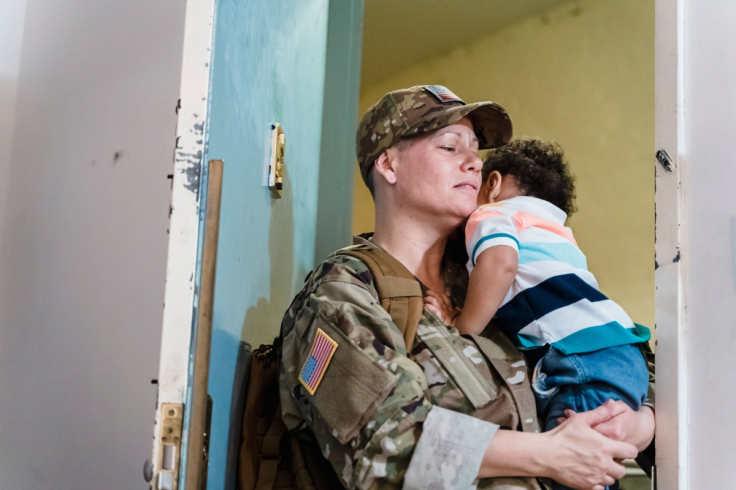
US Representative Nancy Mace has introduced legislation requiring Department of Veterans Affairs (VA) medical facilities to maintain adequate staffing of maternity care coordinators, aiming to improve support for pregnant and postpartum military veterans.
The Supporting Veteran Mothers Act of 2026 would establish minimum staffing requirements, introduce regular reviews and require facilities to address shortages. The Republican congresswoman from South Carolina introduced the measure on 9 November 2026.
What The Supporting Veteran Mothers Act Would Change
The proposal would apply to qualifying VA medical facilities with more than 100 patients. It would require at least one full-time maternity care coordinator for every 75 to 100 patients, with dedicated responsibility for maternity care.
Facilities would review staffing at least once every two years, documenting patient numbers and coordinator assignments. Where staffing fell below the required level, the facility would have to submit and implement a corrective plan setting out adjustments, resources and a timetable.
Mace's office says the proposal would also require annual reports to the House and Senate Veterans' Affairs committees, covering staffing, compliance, corrective plans and coordinator capacity. The VA would publish summaries for public scrutiny.
The legislation would direct the VA secretary to issue initial implementation guidance within 180 days of enactment. It has not become law: it was introduced in the House and referred to the House Committee on Veterans' Affairs on 9 November. It must progress through Congress before taking effect.
Existing VA Maternity Care And The Staffing Question
The proposal would not create maternity care coordination from scratch. The VA says every facility already offers maternity care coordinators, who help veterans navigate services inside and outside the department, access physical and mental health support, connect with community resources and arrange follow-up after delivery.
The VA provides eligible veterans with maternity services covering prenatal screening, delivery, lactation support and miscarriage care. Coordinators can explain coverage and billing, and connect patients with additional services.
The distinction in Mace's bill is staffing capacity and accountability. Rather than simply requiring a coordinator to be available, it would set a minimum ratio linked to annual patient numbers and require facilities to document compliance.
The proposal follows concerns raised by the Government Accountability Office (GAO). In a report published on 5 May 2026, the watchdog found that the Veterans Health Administration's Maternity Care Coordinator Program had not fully established a federal performance management process. Officials said they were developing performance goals and a dashboard to collect and analyse programme information, but had not completed the work.
GAO recommended that the VA secretary complete the process. The department agreed, telling the watchdog it expected to finish by October 2026. The report focused on performance goals, information collection and assessing results; it did not recommend the staffing ratios proposed by Mace.
Why Oversight Matters For Veteran Mothers
The VA's programme is intended to guide pregnant veterans through care during pregnancy and after birth. Coordinators can also help with pregnancy loss and other health needs, extending support beyond delivery.
On X, Mace said: 'Moms who served deserve better than what they are getting right now.' She said the bill would give veteran mothers support navigating maternity care.
INTRODUCING: The Supporting Veteran Mothers Act. Moms who served deserve better than what they are getting right now.
— Rep. Nancy Mace (@RepNancyMace) November 10, 2026
Women who served our country should have real support when they start or grow their families. Our bill requires every VA medical facility with more than 100… pic.twitter.com/Y6Pikxq6R6
Its effect would depend on staffing, corrective plans and clear public VA reports on local capacity at facilities.
The bill's introduction follows GAO's warning that the programme lacked a completed performance framework. The VA had told the watchdog it expected to finish the process by October 2026, although the report did not establish whether that deadline was subsequently met.