
'Something's Not Right': New Mom Says Extreme Pain Followed C-Section Before Flesh-Eating Bacteria Diagnosis
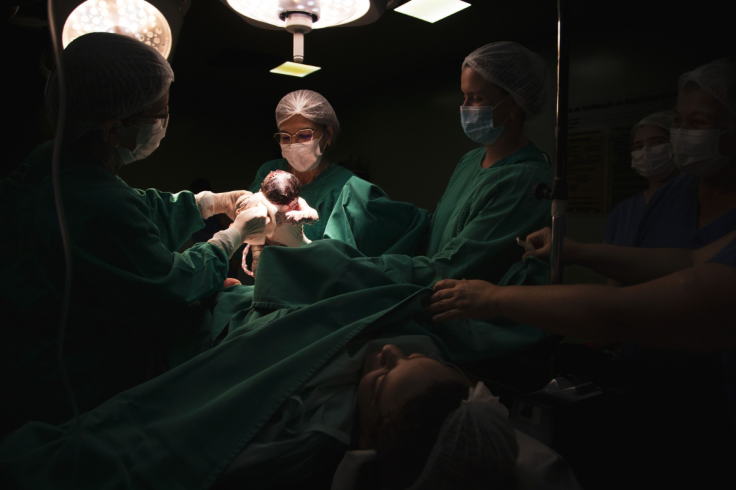
A mother says a doctor told her she would die without immediate surgery after flesh-eating bacteria took hold following her caesarean. Erin Beaulieu, 47, from Ontario, Canada, says extreme pain followed the birth and she kept saying: 'Something's not right.'
Beaulieu had a healthy pregnancy and welcomed her first child, a son, by caesarean on 21 June 2022. Doctors noticed a 'strong odor' from the amniotic fluid after the birth. A week after going home, she was diagnosed with necrotising fasciitis.
Warning Signs After Surgery
She spent six nights in hospital in constant 'extreme' pain and had reportedly developed ileus, a bowel obstruction. Beaulieu said she vomited often, her stomach was swollen and visitors noticed she looked bigger than when she was pregnant.
She alleges she was discharged from hospital on 28 June without a physical exam. Medical records show tests the next day were positive for chorioamnionitis, an infection of the placenta and amniotic fluid.
Beaulieu claims she was never told about the diagnosis. 'Nobody thought, "Give her a quick call. Check up on her,"' she said.
Stanford Medicine Children's Health says chorioamnionitis symptoms include fever, a fast heart rate, a sore uterus and bad-smelling amniotic fluid. Antibiotics are used as soon as the infection is found.
Doctors Diagnose Flesh-Eating Infection
Beaulieu said her condition then worsened and pus started 'pouring' out of her incision. 'The smell was atrocious,' she recalled.
She returned to hospital on 5 July, and after 12 hours of testing, doctors found necrotising fasciitis. A doctor told her: 'Erin, you are this hospital's sickest patient. If we don't operate now, you're going to die.'
The US Centers for Disease Control and Prevention (CDC) says necrotising fasciitis can become a life-threatening emergency very quickly. Early symptoms include fever, severe pain and a red, warm or swollen area of skin that spreads quickly.
Many infections look similar in the early stages, which makes diagnosis difficult. Treatment should start as soon as possible, so doctors may not wait for test results if they suspect it.
Patients need immediate hospital care, antibiotics and surgery. Even with treatment, up to 1 in 5 people have died from the infection.
Cleveland Clinic says the condition is rare, affecting about 1 in every 250,000 people in the United States. Surgery is a must because antibiotics alone cannot fight the infection.
Surgical wounds are among the ways bacteria can enter the body. A case report on PubMed Central described a previously healthy woman who developed necrotising fasciitis four days after an uncomplicated caesarean.
The woman first had fever, chills and abdominal pain. Early surgical removal of dead tissue and supportive therapy favoured her recovery, and only a few obstetric cases have been reported.
Life After Near-Death Ordeal
Beaulieu was rushed into surgery, and the infection was so severe that she needed a hysterectomy, ending any hope of more children. She also faced numerous severe complications that required multiple surgeries and years of wound care.
Mayo Clinic says a person can no longer become pregnant after a hysterectomy. Some people also feel a sense of loss afterwards.
Her primary care records call the ordeal a 'near-death experience' that left permanent damage. She says she has chronic pain and her lower abdomen is deformed. 'I looked like a Thanksgiving turkey,' she said.
'I'm in agony all the time,' she said. 'The PTSD and anxiety is through the roof, and depression. I'm always on edge.'
After initial treatment, recovery can take a while and may involve physical therapy and rehabilitation. Mental health help is also important if the aftermath causes distress.
Beaulieu says she still has unanswered questions about whether the infection could have been prevented. 'I am angry and sad,' she said. 'I can't wrap my head around why everything happened to me.'