
UK Dad Left 'Not Knowing How To Survive' After Cancer Caused Paralysis: 'I Felt Imprisoned'
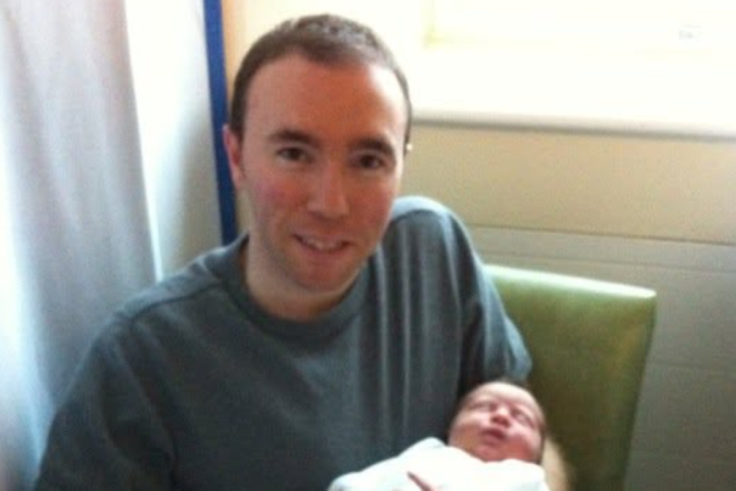
A father from Essex who became paralysed from the chest down after developing a tumour inside his spinal cord says delayed access to specialist rehabilitation left him isolated at home and 'not knowing how to survive' with his disability.
David Bateman, 52, from Halstead, is now receiving specialist support after spending about 18 months without the neurological rehabilitation he says he needed following his paralysis.
He and his wife, Jennie, have since worked with their local hospital to improve awareness of spinal cord injuries and the organisations that can support patients. Bateman said receiving appropriate specialist help allowed him to start rebuilding a more fulfilling life.
David Bateman Became Paralysed During Cancer Treatment
Bateman was diagnosed in 2017 with a tumour growing inside his spinal cord after experiencing symptoms including numbness, heightened sensitivity, tingling and muscle pain for several months. Doctors treated his cancer with chemotherapy and radiotherapy to stabilise the tumour.
But in March 2023, while he was in hospital receiving treatment, the UK dad woke up one morning completely paralysed from the chest down, according to the Spinal Injuries Association. He was later discharged home after being given a life expectancy of about 12 months.
Bateman said that he was not initially referred to a specialist spinal injury unit despite his paralysis. For about six months, he spent 12 hours every day in bed and another 12 hours in a reclining chair. He only left home when urinary tract infections required treatment at A&E.
His spinal cord injury also affected his bladder and bowel function, which became a major obstacle to leaving home. Bateman said fear of having an accident contributed to his isolation and changed his relationships with his wife and two young daughters.
The UK dad described feeling as though his life had stopped while he dealt with the consequences of paralysis without specialist rehabilitation. He added that the lack of support left him feeling 'imprisoned' inside his own home.
Discovering Specialist Rehabilitation Through Documentary
Bateman had contact with GPs, paramedics, hospice workers, oncologists and urologists during his treatment. However, he said that none directed him towards specialist spinal cord injury services.
He and his wife later learned that dedicated spinal rehabilitation units existed after watching 'David Holmes: The Boy Who Lived,' a documentary about former stuntman David Holmes and his life following a spinal cord injury, as per a report by the BBC.
The couple decided to request a referral to the National Spinal Injuries Centre at Stoke Mandeville and were connected with the Spinal Injuries Association. Bateman said that specialist intervention made a significant difference to his life, noting his frustration over time lost before receiving it.
Bateman's experience is among several highlighted by disability advocates as they call for better support for people whose spinal injuries result from cancer or other medical conditions. Those with cancer-related spinal cord injuries can require long-term rehabilitation and specialist care.
Cancer can affect the spinal cord either through tumours growing within or around it, or through metastatic spinal cord compression, in which cancer presses on the spinal cord. Symptoms can include pain, weakness, tingling, numbness, loss of bladder or bowel control and paralysis.
Symptoms can include pain, weakness, tingling, numbness, loss of bladder or bowel control and paralysis. When cancer causes spinal cord compression, delayed diagnosis and treatment can result in permanent neurological damage.