
MrBeast Couple Lose 160lbs in 163 Days to Win $350,000 in Gym Challenge
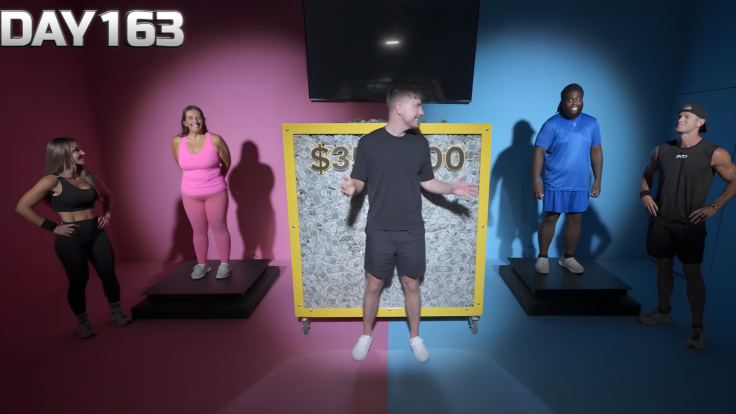
A newlywed couple have lost a combined 160lbs (73kg) in 163 days during a gruelling fitness challenge featured by YouTube star MrBeast, with the competition offering a chance to win $350,000 (approximately £263,000).
Sara Mosby and Tre Fontana set out to lose a combined 150lbs (68kg), spending more than five months in a gym environment while following an intensive exercise routine and changing their diets. Their progress was documented in a MrBeast video, which culminated in the couple reaching their target and getting married.
In an interview with LADbible, the couple described the physical and emotional demands of the experience, including the difficulty of being separated from their families and the pressure of competing for a significant prize.
The Couple Trained for Months Before Reaching Their Goal
Mosby and Fontana worked with iFit personal trainers John Peel and Brie Cox, training daily in the month leading up to the challenge. According to Mosby, the trainers became an important source of emotional support during their five-and-a-half-month experience.
The competition included demanding physical tasks. The couple dragged a truck around the facility 300 times and completed a rope-climbing challenge involving a helicopter to earn additional prize money.
The challenge was not limited to physical endurance. Mosby told LADbible that she struggled with feeling capable of meeting the demands placed on her. Fontana, meanwhile, said being unable to communicate with his family was among the hardest parts of the experience.
The pair ultimately exceeded their combined weight-loss target, losing 160lbs (73kg) over 163 days. The reported total refers to their combined weight loss, not the amount either person lost individually.
What Is a Healthy Rate of Weight Loss?
The couple's achievement took place under highly structured conditions, so their results should not automatically be treated as a target for other people.
The US Centers for Disease Control and Prevention (CDC) says people who lose weight gradually, at around 1 to 2lbs (0.5 to 0.9kg) per week, are more likely to keep it off than those who lose weight more quickly.
That guidance is a general benchmark rather than a universal prescription. A person's appropriate rate of weight loss depends on factors including their starting weight, health conditions, nutritional needs and individual circumstances.
The couple's combined figure also does not reveal how much each person lost per week or how their individual health changed throughout the challenge. Without those details, the total alone cannot establish whether their weight-loss rates were medically appropriate.
Rapid Weight Loss Can Carry Health Risks
Rapid weight loss can involve more than a reduction in body fat. Changes in water, stored carbohydrate and muscle can also affect the number on the scale.
MedlinePlus, a health information service of the US National Library of Medicine, warns that losing weight too quickly can contribute to muscle and water loss, fatigue and other side effects. Rapid weight loss can also increase the risk of gallstones.
Very-low-calorie diets may be appropriate for some people with obesity in specific clinical circumstances, but they require professional supervision. They are not a safe default for anyone seeking a dramatic transformation.
Exercise can support physical health and weight management, but a demanding programme must also allow for adequate nutrition, hydration and recovery. People who plan to make substantial changes to their eating habits or exercise routines should consult a qualified healthcare professional, particularly if they have existing medical conditions.
Maintaining Progress Beyond the Challenge
For Mosby and Fontana, reaching their target did not mark the end of their fitness journey. The couple told LADbible that they continued working with their trainers and exercising after leaving the challenge, including going on hikes. They also said their honeymoon in Hawaii had been postponed in the months following filming.
Their experience illustrates the importance of habits that can continue after a short-term goal has been reached. The CDC recommends a combination of healthy eating, regular physical activity, sufficient sleep and stress management to support weight management.
Psychological wellbeing also matters. Mosby described struggling with self-doubt during the competition, while Fontana said it took him several months to recognise the changes in his appearance. Their accounts show that physical transformation and how a person feels about themselves do not always progress at the same pace.
The couple's experience illustrates why weight-loss goals should be tailored to individual health needs rather than based on the results of an unusually intensive televised challenge.