
Robotic Knee Replacement Costs £950 More but Offers No Better Pain Relief, Landmark Trial Finds
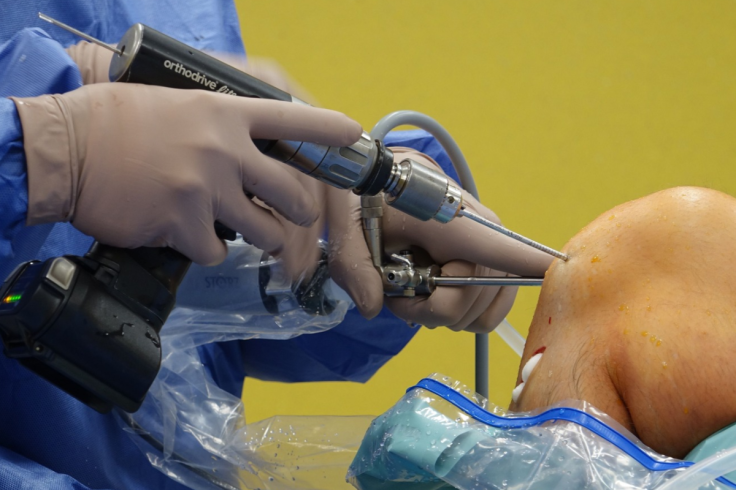
Robotic-assisted knee replacement cost around £950 more per procedure than conventional surgery but offered no clinically meaningful improvement in patient-reported outcomes after one year, a major UK trial has found.
The study compared robotic-assisted surgery with conventional knee replacement at 10 hospitals. Researchers found that robotic technology helped surgeons position artificial joints more accurately, but patients experienced similar recovery outcomes.
The findings challenge the assumption that more precise surgery automatically leads to better results. They also raise questions about whether the additional expense is justified.
Robotic Knee Surgery Did Not Improve Patient Outcomes
The trial involved 339 people with advanced knee osteoarthritis, a condition in which the protective cartilage covering the ends of the bones gradually wears away. This can cause pain, stiffness and difficulty walking.
Of these patients, 168 underwent knee replacement using the Mako robotic-arm system. The Mako system uses pre-operative CT scans to create a 3D model of the knee, helping surgeons plan the procedure and guide bone preparation and implant positioning. The remaining 171 patients received conventional knee replacement.
Thirty-three surgeons took part in the study, coordinated by the University of Warwick and University Hospitals Coventry and Warwickshire NHS Trust.
After 12 months, both groups had similar results on the Forgotten Joint Score. This questionnaire measures how aware patients are of their artificial knee during everyday activities, such as walking, climbing stairs and getting up from a chair.
The average score was 49.2 among patients who had robotic surgery, compared with 50.2 among those who received conventional treatment. Researchers found no meaningful difference between the results.
Patients also reported similar pain levels, walking ability and recovery. The likelihood of needing another operation was also comparable during the study period.
Robotic Surgery Was More Precise but Cost More
Robotic assistance improved how accurately surgeons positioned the artificial knee joint. However, this technical advantage did not lead to noticeable improvements in patients' pain, movement or recovery.
The operations also took an average of 10.5 minutes longer. Researchers estimated that robotic-assisted procedures cost about £950 more per patient than conventional surgery.
The economic analysis found that robotic-assisted knee replacement was unlikely to be cost-effective under the NHS assumptions used in the study.
There was also no clear difference in serious safety problems. Sixteen patients in each group experienced at least one serious adverse event, meaning a significant medical problem during the study.
How Does Robotic Knee Replacement Work?
Robotic-assisted surgery does not mean a machine performs the operation on its own. The surgeon remains in control throughout the procedure and uses the robotic system as a guide.
Before surgery, the system uses 3D scans to create a detailed picture of the patient's knee. This helps the surgeon plan where the artificial joint should be placed.
During the operation, the technology helps guide the surgeon while preparing the bone and positioning the implant. The aim is to achieve a more accurate fit based on the patient's anatomy.
However, the trial suggests that greater surgical accuracy does not necessarily mean patients will experience less pain or move more easily afterwards.
Researchers Will Track Patients for 10 Years
The trial was published in The Lancet and funded by the National Institute for Health and Care Research. Stryker, the manufacturer of the robotic system and knee replacements used, also paid some of the study costs.
Researchers will continue monitoring participants for 10 years. Longer-term results may reveal whether robotic assistance helps artificial knees last longer or reduces the need for revision surgery, an operation to repair or replace an existing implant.