
Can You Really Feel a Storm Coming? Doctors Explain Why Weather Changes Trigger Joint Pain
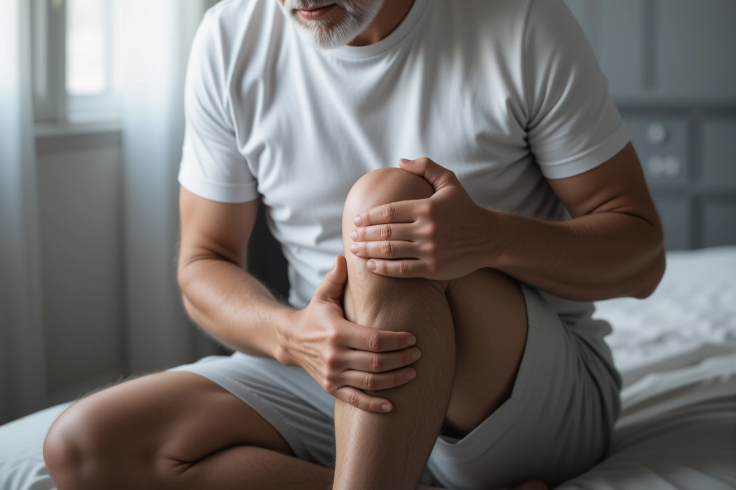
Those who swear their joints can sense a storm before the first raindrop may not be imagining it. A 2019 UK study involving 2,658 people with chronic pain found modest associations between reported pain and relative humidity, atmospheric pressure and wind speed.
Specialists say the sensation appears real for at least some people, though science has not fully explained why. 'It doesn't happen to every person, but we know it happens to some,' said Dr Andrew Bang, a chiropractor.
Dr Greg Dutson, of Thrive Head and Spinal Care, said people who notice the change may have hypersensitivity in the nerves that go to those joints. Falling air pressure is one factor specialists point to.
Why Weather Reaches the Joints
Barometric pressure is the weight of the air pressing on Earth's surface, and it typically falls ahead of a storm. One theory is that changes in atmospheric pressure may affect pressure within joints and surrounding tissues, potentially contributing to discomfort. However, researchers have not established a definitive biological mechanism.
People with existing joint conditions, particularly osteoarthritis, may notice changes in their symptoms when weather conditions shift. However, the extent of any effect varies between individuals, and the underlying mechanisms remain uncertain.
Specialists at Spine Medicine and Surgery of Long Island said weather does not cause these conditions but can aggravate symptoms already present. Joint degeneration, nerve compression and past surgeries or injuries may raise sensitivity.
What the Research Shows
In the 2019 study, participants logged symptoms on smartphones over 15 months. Pain was modestly linked to humidity, air pressure and wind speed, but temperature showed no significant link.
Yet a 2015 Journal of Rheumatology study of 810 participants with osteoarthritis found humidity and temperature affected joint pain. Humidity had a stronger effect in colder conditions.
A 2013 Spanish study of 245 patients with rheumatoid arthritis who visited a hospital emergency department found that patients aged 50 to 65 were 16 per cent more likely to experience a flare when mean temperatures were lower. One proposed explanation is that colder temperatures may increase the viscosity of synovial fluid, the substance that lubricates joints, potentially contributing to stiffness.
Cold weather can also discourage physical activity. Reduced movement may contribute to stiffness and discomfort in people with existing joint conditions.
Heat and Location Also Matter
Other research suggests that living in a warmer climate does not necessarily protect people from weather-related pain. A 1995 study of 558 people with chronic pain across four US cities, including San Diego and Boston, found that perceived weather sensitivity was not associated with regional climate.
'The sensitivity is to change, and the humidity and barometric pressure goes up and down in every zip code,' Bang said. 'There's no avoiding it.'
Warmth can bring flares, too. A 2014 American Journal of Epidemiology study of 632 participants with gout found higher temperatures were associated with roughly 40 per cent higher risk of an attack than moderate temperatures.
A 2020 study in Arthritis & Rheumatology, involving 1,628 people with lupus, found associations between temperature and certain organ-specific disease flares, including joint and skin symptoms. The researchers also identified associations involving other environmental factors, although further research was needed to understand these patterns. The research suggests the effect may differ across conditions.
Ways to Ease Weather-Related Pain
Staying active may help limit aches. 'Motion is life for joints,' Dutson said. 'Don't abuse it, but you should stay active, go for walks, and continue to live your life.'
Heat is another option. Moist heat may ease stiffness when colder temperatures arrive by improving circulation and helping loosen joint tissues. A hot shower or heating pad may also help, though pads should be used for 20 minutes at most.
Stretching regularly and staying warm may help, as cold stiffens muscles. Anti-inflammatory medications can reduce the swelling behind joint pain, and people should talk to their doctor about options.
Persistent pain deserves attention. Anyone whose joint or back pain disrupts daily activities or sleep should seek a professional evaluation.