
WNBA Star Sophie Cunningham Gets Thousands of Angry DMs From Gamblers Who Lose Money on Her
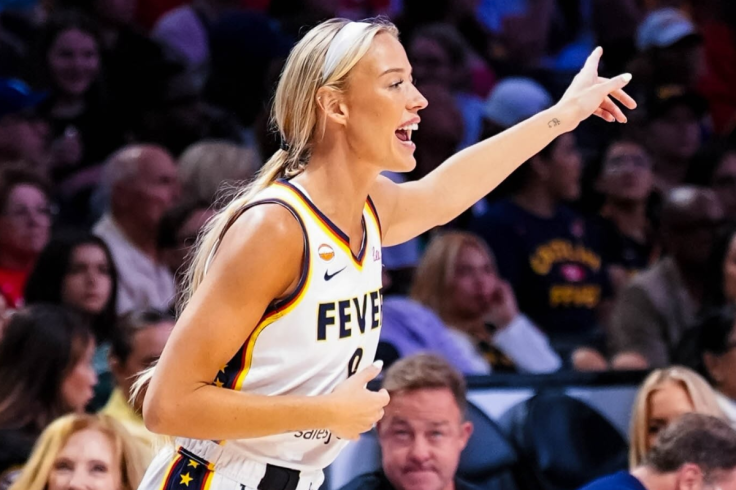
WNBA player Sophie Cunningham says she receives thousands of angry messages from gamblers blaming her for their losses, as sports betting increasingly exposes athletes to online abuse.
The Indiana Fever guard revealed the messages during an episode of No Hesitation with Sophie Cunningham & Drew Hanlen, describing how bettors contact her after games when she fails to meet their expectations.
'I could show you, I'm not even kidding, thousands of DMs of people and, like, getting mad at me because I didn't do something and they lost a lot of money,' Cunningham said.
She criticised gamblers for placing bets on her individual performances, arguing that players cannot predict how frequently they will handle the ball or attempt shots.
'Why are you betting on me? Like, I don't even know what's going to happen that game. Like, I don't have the control. I don't have the ball enough to know if I'm going to get one three-point shot or if I'm going to get 10 of them,' she said.
WNBA Players Face Abuse From Sports Bettors
Cunningham said gambling has changed how some fans react to players' performances, with people becoming increasingly vocal when their wagers fail.
'When it comes to betting and gambling, since all that has like really happened and it's really come into our league as well, fans are so much more vocal about when you don't perform,' she said.
She described the criticism as an increasingly common part of professional basketball, although she also acknowledged the positive side of social media.
'There is a lot of hate. But I also think there's like a lot of positivity. So I just choose to like look at the positive. I choose to look at the happy,' Cunningham said.
Despite the abuse, she said she does not waste time worrying about people sending hostile messages.
'Once you really figure out who's actually saying that, you're like, "I'm not even going to give y'all two seconds of my day because y'all are some dweebs,"' she said.
How Gambling Can Affect Mental Health and Behaviour
Gambling can have consequences beyond financial losses, particularly when people struggle to control their betting.
The World Health Organization warns that harmful gambling can contribute to financial distress, mental illness, relationship breakdown and suicide. Its consequences can also affect family members and others who do not gamble themselves.
Gambling activates the brain's reward and learning systems. Dopamine is involved in motivation and reward learning, including how people respond to unexpected outcomes.
Some people experiencing gambling-related harm chase losses by continuing to bet in an attempt to recover money they have lost. Gambling disorder is characterised by impaired control over gambling, prioritising it over other activities and continuing despite harmful consequences.
Gambling disorder is a recognised behavioural addiction characterised by impaired control over gambling and continued betting despite harmful consequences.
Young People Face Risks From Gambling Addiction
The expansion of online betting has raised concerns about young people encountering gambling through sports, advertising and digital platforms.
Research has identified adolescents and young adults as groups vulnerable to gambling-related harm. Exposure to gambling advertising and its growing presence in sport can also normalise betting among children and young people.