
Trump Shares Mock 'Trumpcare' Insurance Card After Democrat Challenges Him To Cover All Americans
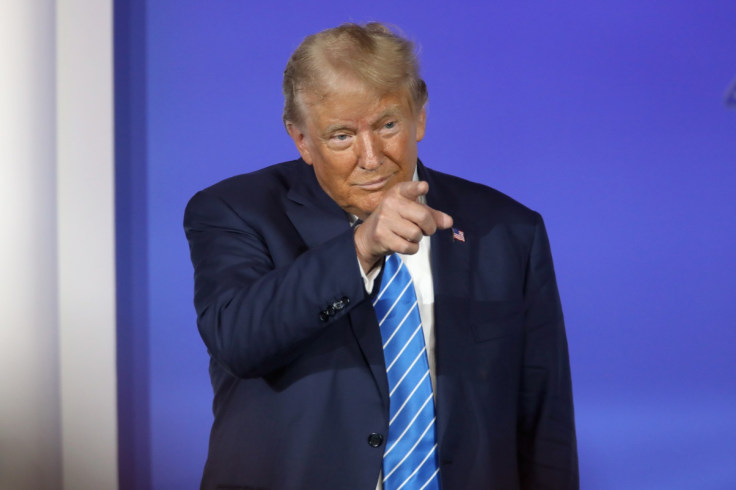
Donald Trump says he will meet incoming Michigan senator Abdul El-Sayed to discuss healthcare after sharing the Democrat's mock 'Trumpcare' insurance card on Truth Social. Trump has not endorsed El-Sayed's plan, and no date has been set for the meeting.
The exchange follows a campaign season in which Trump criticised El-Sayed, a former Detroit public health official. The Democrat won a closely contested Senate seat and has made expanding healthcare access a central part of his platform.
Trumpcare Card Brings Healthcare Talks Into View
Abdul El-Sayed suggested naming a universal healthcare programme after Donald Trump in an interview with Zeteo this month. 'If he wants to pass Trumpcare for All, I'm OK with it,' he told host Mehdi Hasan. 'He seems to like to put his name on things.'
On 12 November, El-Sayed posted a gold-coloured mock-up of an insurance card bearing Trump's name and signature. In the accompanying caption, he asked the president to 'guarantee health care for every American, from cradle to grave.'
Trump shared the image on Saturday, 21 November. In an interview with the New York Post on Tuesday, he called El-Sayed a 'smart guy' and said, 'Maybe there's some place in the middle that we could go.' He also described the 'Trumpcare' branding as 'very smart.'
The White House had initially dismissed the proposal. Trump has not endorsed Medicare for All.
El-Sayed's plan would provide government-run insurance covering necessary healthcare while allowing people to retain private cover. It differs from the proposal associated with Senator Bernie Sanders, which would replace most private insurance, including employer-provided plans.
Why Universal Healthcare Has Stalled
The US has debated national health insurance for generations. Franklin D Roosevelt's administration considered healthcare as part of a wider social insurance plan, while Harry Truman later proposed comprehensive national coverage. Neither effort became law.
In 1965, President Lyndon B Johnson signed Medicare and Medicaid into law. The programmes provide coverage for older people, some low-income households and people with specific needs.
The Affordable Care Act, signed by Barack Obama, later expanded Medicaid and helped people pay for private insurance, but a proposed government-run option was dropped.
Sanders and his allies introduced another Medicare for All bill in 2025, but it has not passed Congress. Eagan Kemp, a healthcare policy expert at Public Citizen, told Al Jazeera that industry profits and political donations presented obstacles to sweeping reform. 'I'm sceptical that there would be votes there,' he said.
A Meeting Without a Date
Republican strategist Ashley Davis, who served in George W Bush's administration, said some bipartisan progress was possible. She told Al Jazeera that lower drug prices, more funding for rural healthcare or expanded Medicare for children seemed likelier than a bill resembling Medicare for All.
'It sounds great from a talking point perspective, but how it actually gets accomplished is a whole other thing,' she said.
Democrats are due to take control of Congress in January and have indicated that they want to reverse Medicaid provisions in Trump's legislation. That could make negotiations more difficult. Trump has said he is open to 'great healthcare,' while acknowledging that any outcome might be 'a combination of what we all want.'
The meeting has no confirmed date, and neither side has set out what a compromise would involve. Whether the card becomes more than a political gesture will depend on what, if anything, the two politicians are prepared to put on the table.