
UK Soldiers Ordered To Reveal Ozempic and Mounjaro Use Over Fears Side Effects Could Disrupt Training
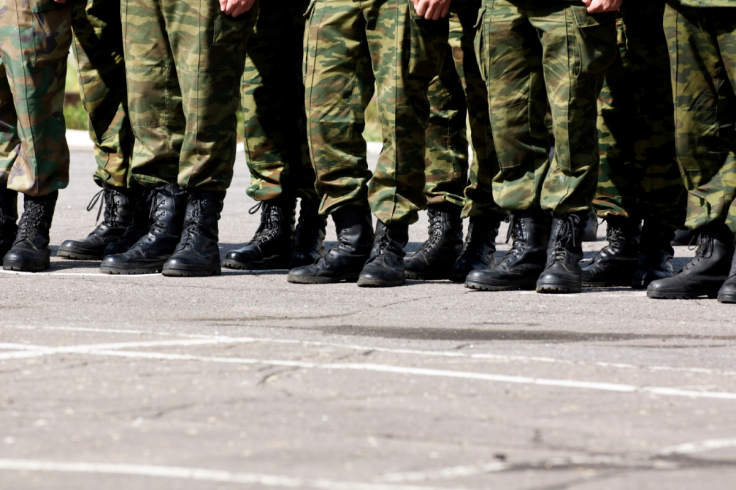
UK soldiers taking popular GLP-1 medicines, including Ozempic and Mounjaro, for weight loss have reportedly been ordered to disclose their use to medical officers over concerns that side effects could interfere with demanding military training.
The directive reportedly comes as use of GLP-1 medicines continues to increase in the UK. Military officials have acknowledged the potential health benefits of the drugs but are concerned that gastrointestinal symptoms, dehydration and other effects could become problematic during strenuous activity.
According to the report, the latest edition of Soldier Magazine states that soldiers must tell their medical officer if they are taking weight-loss medicines. Defence Primary Healthcare said some personnel may need temporary adjustments or medical review if they experience significant side effects or take part in activities where the medication could present a risk.
Why Are Weight-Loss Injections a Concern During Training?
Ozempic and Mounjaro belong to a group of medicines that affect appetite and blood sugar regulation. Semaglutide, the active ingredient in Ozempic, is a GLP-1 receptor agonist, while tirzepatide, the active ingredient in Mounjaro, acts on both GLP-1 and GIP receptors.
The medicines can slow digestion and help people feel fuller, contributing to weight loss. However, gastrointestinal symptoms are among their most common side effects.
For military personnel undergoing strenuous exercise, symptoms such as vomiting or diarrhoea could potentially make training more difficult. Fluid loss may also increase the risk of dehydration, particularly when combined with heavy physical activity and sweating.
The UK Medicines and Healthcare products Regulatory Agency (MHRA) has warned that gastrointestinal side effects can sometimes lead to severe dehydration requiring hospital treatment.
How Many Military Personnel Use Weight-Loss Drugs?
The number of UK military personnel using weight-loss injections reportedly trebled to 240 last year, although the true figure could be higher because some personnel may not have disclosed their use.
The report also cited official figures showing that more than 11,000 soldiers, 4,300 sailors and 3,900 aircrew are recorded as having obesity based on BMI data.
The figures highlight why weight management can be relevant to military health, where physical fitness and operational readiness are important considerations. However, the Army's guidance does not mean the medicines are universally prohibited.
Instead, personnel are expected to disclose their use so healthcare professionals can assess whether treatment or training adjustments are necessary.
What Are the Side Effects of Ozempic and Mounjaro?
Ozempic, which contains semaglutide, can cause nausea, vomiting, diarrhoea, constipation, tiredness and injection-site reactions. Less common but serious risks include acute pancreatitis, low blood sugar when combined with certain diabetes medicines and allergic reactions. Very rare reports have also linked semaglutide with a serious eye condition that can cause sudden vision loss.
Mounjaro, which contains tirzepatide, can cause nausea, vomiting, diarrhoea, constipation, stomach pain, tiredness and injection-site reactions. Serious but uncommon side effects include pancreatitis, low blood sugar in certain circumstances, allergic reactions and gallbladder problems.
The MHRA advises people to take these medicines only when prescribed and to discuss their benefits and risks with a healthcare professional.