
Why Am I Bloated All the Time? Common Causes, What Your Symptoms Could Mean and When to See a GP
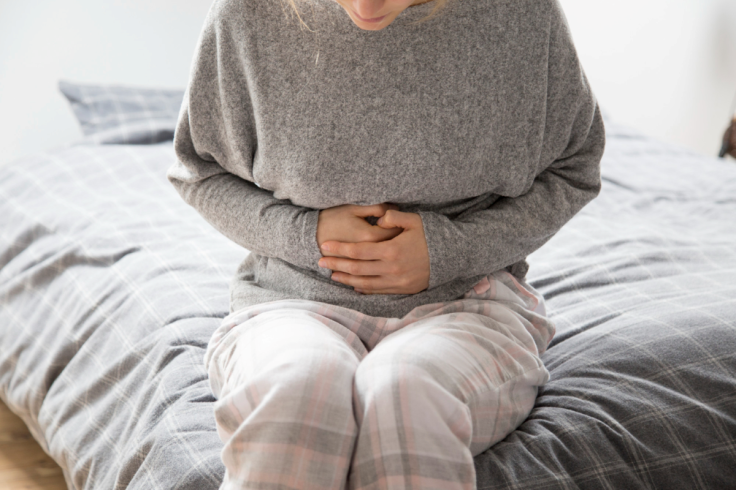
Feeling bloated after a large meal is usually nothing to worry about. But when your stomach regularly feels swollen, tight or uncomfortably full, it can become frustrating, particularly if you cannot identify what is triggering it.
Bloating is common and can have many explanations, ranging from eating habits and constipation to irritable bowel syndrome (IBS), food intolerances, and coeliac disease. 'Bloating is common as a symptom, rare as a diagnosis,' says Dr Edmundo Rodriguez-Frias, a double-board-certified physician specialising in gastroenterology, geriatric medicine and hospital medicine.
The important question is not simply whether you feel bloated, but why it is happening, how often it occurs, and whether other symptoms are present.
What Causes Bloating?
Bloating can happen when gas builds up in the digestive system or when the abdomen becomes distended. However, you can also experience a strong sensation of bloating without having an unusually large amount of gas.
Some people are simply more sensitive to normal amounts of gas or intestinal distension. Common causes include:
- Constipation
- IBS
- Food intolerances
- Coeliac disease
- Swallowing excess air
- Certain dietary habits
- Hormonal changes
Identifying the underlying cause is important, particularly when bloating becomes persistent.
1. Constipation
Constipation is one of the most common reasons for bloating. When stool moves slowly through the bowel or becomes difficult to pass, gas can become trapped, and the abdomen may feel distended or uncomfortable.
You may be more likely to blame constipation if bloating occurs alongside:
- Fewer bowel movements than usual
- Hard or lumpy stools
- Straining
- A feeling that you have not completely emptied your bowel
- Abdominal discomfort
Increasing fibre gradually, drinking enough fluids, and staying physically active can help in many cases. However, suddenly consuming large amounts of fibre can worsen bloating in some people, so gradual changes are preferable.
2. Irritable Bowel Syndrome
IBS is a common digestive disorder that can cause bloating alongside abdominal pain and changes in bowel habits. People with IBS may experience diarrhoea, constipation, or alternating periods of both.
Certain foods, stress, and hormonal changes can trigger symptoms, although triggers vary considerably between individuals. If you repeatedly experience bloating together with abdominal pain and changes in bowel habits, speak to your GP. Keeping a food and symptom diary may also help identify patterns.
3. Food Intolerances
Some people develop bloating after eating particular foods because their digestive system has difficulty processing certain components. Lactose intolerance, for example, occurs when the body does not produce enough lactase to digest lactose, the sugar found in milk and other dairy products.
Other carbohydrates, including certain fermentable carbohydrates collectively known as FODMAPs, can also cause gas and bloating in susceptible people.
But an important point is that bloating after eating does not automatically mean you have a food intolerance.
Dr Rodriguez-Frias warns against immediately eliminating entire food groups without establishing what is actually causing the symptoms. 'Cutting out gluten, cutting out dairy products, or removing entire categories of foods, without having evidence of why there was a problem, can create confusion regarding diagnostic possibilities,' he says.
4. Coeliac Disease
Coeliac disease is an autoimmune condition in which consuming gluten triggers an abnormal immune response that damages the small intestine. Bloating can be one of its symptoms, alongside diarrhoea, abdominal pain, fatigue, and unintended weight loss.
If coeliac disease is suspected, your GP may arrange blood tests and potentially refer you for further investigation. Importantly, do not start a gluten-free diet before being tested unless advised by your healthcare professional. Removing gluten beforehand can affect test results.
5. Eating Too Quickly
How you eat can contribute to bloating, too.
Eating quickly can cause you to swallow more air, while large meals can temporarily stretch the stomach and digestive tract.
Fizzy drinks can also introduce additional gas into the digestive system. Try eating more slowly, chewing food thoroughly, and reducing your intake of carbonated drinks if you notice a connection with your symptoms.
6. Hormonal Changes
Some people notice increased bloating around their menstrual period.
Hormonal fluctuations can influence digestion and fluid retention, potentially leaving the abdomen feeling fuller or more distended. For people who menstruate, tracking bloating alongside their menstrual cycle can help reveal whether symptoms follow a predictable pattern.
7. Small Intestinal Bacterial Overgrowth
Small intestinal bacterial overgrowth (SIBO) occurs when there is an abnormal increase of bacteria in the small intestine. It can cause bloating, abdominal discomfort, excessive gas, and changes in bowel habits.
However, SIBO can be difficult to diagnose, and its symptoms overlap with several other digestive conditions. Persistent bloating therefore should not automatically be attributed to SIBO based on symptoms alone.
8. Other Digestive Conditions
Bloating can occasionally occur alongside other gastrointestinal conditions, including gastro-oesophageal reflux disease, inflammatory bowel disease, and problems affecting how food moves through the digestive tract.
This is why the pattern of symptoms matters.
'An occasional day of being bloated is usually harmless,' Dr Rodriguez-Frias says. 'However, if you notice a change in your symptom pattern, then that's information for your healthcare provider.'
When Should You See a GP About Bloating?

Occasional bloating after eating is generally not concerning. Persistent, progressive, or unexplained bloating is different. Make an appointment with your GP if your bloating:
- Happens regularly and does not improve
- Is becoming more frequent or severe
- Is accompanied by persistent changes in bowel habits
- Continues despite dietary or lifestyle changes
- Is affecting your appetite or ability to eat normally
Your GP may ask about your diet, bowel habits, medications, menstrual cycle, and other symptoms before deciding whether further tests are necessary. Depending on your symptoms, investigations could include blood tests, such as coeliac screening, or imaging and other gastrointestinal investigations.
Bloating Red Flags You Should Not Ignore
Seek medical advice promptly if persistent bloating occurs alongside:
- Unexplained weight loss
- Blood in your stool
- Persistent vomiting
- Significant or worsening abdominal pain
- Loss of appetite
- Feeling full after eating very little
- Persistent changes in bowel habits
Women should be particularly mindful of new, persistent bloating accompanied by pelvic discomfort, early fullness, or urinary symptoms. Dr Rodriguez-Frias notes that these symptoms can sometimes occur with ovarian cancer, although benign conditions remain much more common.
That does not mean persistent bloating indicates cancer. Rather, a new and unexplained pattern deserves appropriate medical assessment rather than being automatically dismissed as IBS or a food intolerance.
What Can You Do About Bloating?
If your symptoms are occasional and there are no warning signs, several simple measures may help.
Eat smaller meals, slow down when eating, drink enough water, and stay physically active. If constipation is contributing, gradually increase dietary fibre and maintain regular toilet habits. You can also keep a diary recording foods, bowel movements, menstrual cycles, stress, and bloating episodes. This can help identify patterns to discuss with your GP.
Most importantly, avoid unnecessarily restricting your diet.
There is no single 'bloating diet' that works for everyone. Removing gluten, dairy, or other foods without a clear reason can make your diet unnecessarily restrictive and potentially make it harder to identify the real cause.
The Bottom Line
Feeling bloated occasionally is extremely common and is usually not a sign of anything serious. But being bloated all the time is worth investigating, particularly if the symptoms are new, persistent, or getting worse.
Constipation, IBS, food intolerance, and coeliac disease are among the possible explanations, but the same symptom can occur for many different reasons.
As Dr Rodriguez-Frias puts it, the most useful information may be the timing and pattern of your symptoms. If your normal pattern changes or bloating comes with weight loss, bleeding, vomiting, significant pain, or persistent bowel changes, speak to your GP rather than assuming you have simply eaten the wrong food.
Frequently Asked Questions
- What are common causes of bloating?Common causes include constipation, IBS, food intolerances, coeliac disease, swallowing excess air, certain dietary habits, and hormonal changes.
- When should I see a GP about bloating?See a GP if bloating is persistent, worsening, or accompanied by symptoms like unexplained weight loss, blood in stool, or significant abdominal pain.
- How can I manage occasional bloating?Eat smaller meals, slow down when eating, drink enough water, and stay physically active. Gradually increase dietary fibre if constipation is a factor.