
Tennis Elbow Isn't Just for Tennis Players: What Causes It and How to Recover Faster
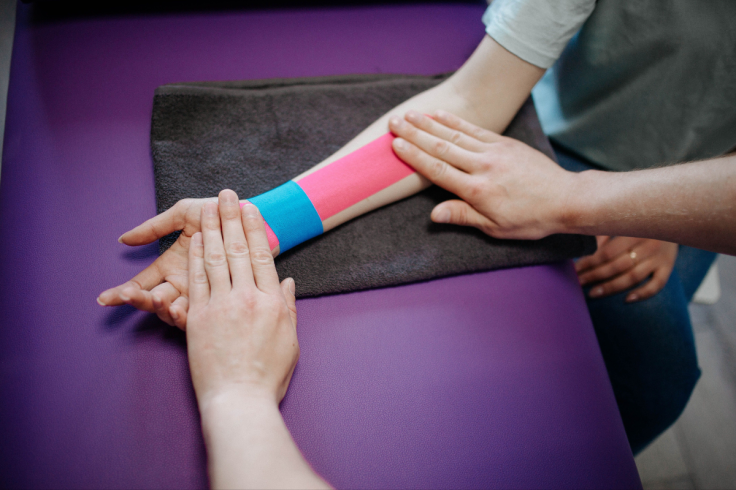
Despite its name, tennis elbow has little to do with tennis. The painful overuse injury affects everyone from office workers and tradespeople to gym-goers and home cooks, with repetitive gripping and wrist movements being among the common cause — not a racket.
Medically known as lateral epicondylitis, the condition develops when repeated strain damages the tendons that attach the forearm muscles to the outside of the elbow. Left untreated, the pain can spread into the forearm and wrist, making everyday tasks such as opening a jar, shaking hands or lifting a kettle surprisingly difficult.
Although it is most common in adults aged between 30 and 60, anyone who repeatedly performs the same wrist or forearm movement can develop tennis elbow. Recognising the warning signs early and starting treatment promptly may significantly improve recovery and reduce the risk of long-term pain.
It Can Happen to Anyone, Not Just Athletes
While tennis is one well-known cause, the condition is really the result of repetitive wrist extension and gripping. Racquet sports such as squash and badminton can also increase the risk, as do activities including golf, weightlifting, baseball and rock climbing.
Sports are only part of the picture. Jobs involving frequent gripping or repetitive arm movements — including plumbing, painting, carpentry, butchery and cooking — also increase the likelihood of developing tennis elbow.
Athletes may face additional risk from poor technique, unsuitable equipment or excessive training, while smoking, obesity and some medications have also been linked to a greater chance of developing the condition.
The symptoms are usually easy to recognise. Pain on the outside of the elbow is often the first sign and may spread into the forearm and wrist. Many people notice a weaker grip, making it harder to hold objects such as a pen, coffee mug or racket. The discomfort is often described as sharp or burning, particularly when twisting, lifting or bending the arm, and it may become worse at night.
Simple tasks such as turning a doorknob, opening a jar or shaking hands can suddenly become painful. Because most people rely more heavily on one arm, tennis elbow usually affects the dominant side rather than both elbows.
Many cases can initially be managed at home by reducing the activities that aggravate the symptoms and applying an ice pack wrapped in a thin towel for 15 to 20 minutes, three or four times a day to ease pain and swelling.
However, medical advice should be sought if symptoms persist after self-care, interfere with sleep or daily activities, or if the elbow becomes swollen, discoloured or difficult to move.
Diagnosis is usually based on a physical examination and a discussion of when symptoms began. Imaging tests such as X-rays, ultrasound, MRI or an electromyography (EMG) may be recommended if another condition is suspected or symptoms fail to improve.
Getting Better: Treatment Options and Recovery Time
Recovery takes patience. Most people tend to recover within about six months, although healing can take anywhere from a few months to 18 months, depending on the severity of the tendon damage, how quickly treatment begins and whether the repetitive activity continues.
Early treatment is one of the biggest factors in speeding recovery. Ignoring the pain and continuing the activity that caused the injury can place ongoing stress on the tendon and prolong healing. Instead, reducing or modifying those movements while beginning appropriate rehabilitation gives the tendon the best chance to recover.
Most people improve with conservative, non-surgical treatment. The RICE approach — rest, ice, compression and elevation — is commonly recommended during the early stages, together with temporarily modifying activities that trigger symptoms.
A counterforce brace worn around the forearm can also help reduce strain on the injured tendon.
Exercise is equally important. Rather than keeping the arm completely still for weeks, a physiotherapist will usually recommend stretching and strengthening exercises that gradually rebuild the forearm muscles, restore flexibility and encourage proper tendon healing. Following these exercises consistently often shortens recovery and reduces the risk of the problem returning.
Pain relief may also be needed while the tendon heals. Oral or topical NSAIDs, such as ibuprofen, can help reduce pain and inflammation, although they should only be used for extended periods under medical guidance.
If symptoms persist despite these measures, other treatments may be considered. Shockwave therapy uses sound waves to stimulate healing within the damaged tendon and may benefit some patients.
Injections are another option for stubborn cases. Corticosteroid injections can provide short-term pain relief, although the benefits may not last. Platelet-rich plasma (PRP) therapy uses a concentrated sample of the patient's own blood platelets in an attempt to promote tendon repair. Less commonly, some healthcare providers may consider prolotherapy or Botox injections.
Another minimally invasive treatment is tenotomy, in which ultrasound guidance is used to remove damaged tendon tissue through a needle, encouraging the body's natural healing response.
Surgery is rarely required and is generally considered only when symptoms continue for six to 12 months despite comprehensive rehabilitation or when pain significantly limits everyday activities. Depending on the condition of the affected tendon, surgeons may remove damaged tendon tissue through either an open or arthroscopic procedure before repairing the remaining healthy tendon.
Even after symptoms improve, returning too quickly to repetitive activities can increase the risk of recurrence. Gradually rebuilding strength, correcting technique, taking regular breaks during repetitive work and using properly fitted sports equipment can all help prevent the condition from returning.
The key message is that tennis elbow is far more than a sporting injury. Whether it is caused by work, exercise or everyday repetitive tasks, recognising the symptoms early, reducing the strain on the tendon and sticking with a structured rehabilitation programme give most people the best chance of recovering without surgery.
Frequently Asked Questions
- What is tennis elbow?Tennis elbow, or lateral epicondylitis, is an overuse injury affecting the tendons that attach the forearm muscles to the outside of the elbow.
- Who can develop tennis elbow?Anyone who repeatedly performs the same wrist or forearm movement can develop tennis elbow, including office workers, tradespeople, athletes, and home cooks.
- What are the common symptoms of tennis elbow?Common symptoms include pain on the outside of the elbow, weaker grip, and discomfort during twisting, lifting, or bending the arm.
- How can tennis elbow be treated at home?Tennis elbow can initially be managed at home by reducing the activity that caused the strain, applying ice packs, and following the RICE approach.
- When should I seek medical advice for tennis elbow?Seek medical advice if symptoms persist for more than a week, interfere with sleep or daily activities, or if the elbow becomes swollen, discoloured, or difficult to move.