
Should You Ice or Heat an Injury? Sports Doctors Explain Which One Works Best—and When
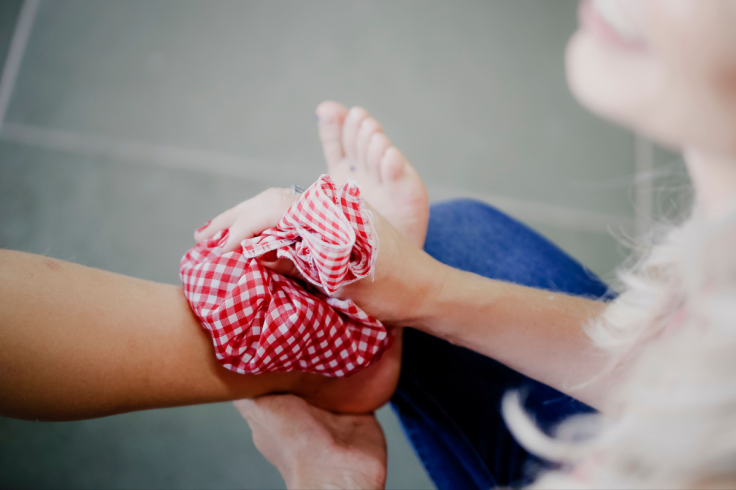
Cold is the clear winner in the early stage, sports medicine doctors say. It suppresses swelling, inflammation and pain in the hours after an injury, while heat applied at that point can make the damage feel worse.
Patients in sports medicine clinics ask the question often: cold or warm? The usual answer is both – but only if the order is right.
Ice belongs in the first 48 to 72 hours. Heat comes afterwards, once the swelling has eased.
Both work partly through what is known as the 'pain gate'. The feeling of hot or cold overrides some of the pain signal reaching the brain, bringing relief without medication.
Ice First for Fresh Injuries
For a new injury, ice comes first. Doctors who treat fresh sprains and strains say cold should go on as soon as possible, even if the person is already on the way to be seen.
Cold narrows the blood vessels and slows circulation to the area. The result is less swelling, less inflammation and a short-term numbing effect that takes the edge off sharp pain.
That makes ice the right call for a rolled ankle, a pulled muscle, a heavy knock in a match or a finger slammed in a door. It is also the right call for any area that looks puffy, feels hot or is sore to touch.
A shop-bought pack is not essential. A bag of frozen vegetables works as well or better, moulding around the whole injury in a way a rigid pack cannot.
Cold suits tendinitis, where the tendons – the cords joining muscle to bone – flare up after overdoing an activity. It also suits gout, a form of arthritis that strikes one joint at a time. Joint specialists say gout is the one arthritis problem where cold beats heat.
Advice on timing varies. Some doctors suggest 20 to 30 minutes at least four times a day for the first 48 to 72 hours; others advise 10 to 15 minutes a session.
Most guidance caps a single session at 20 minutes, followed by 30 to 40 minutes off. Sensitive spots and small joints, such as the groin or fingers, need even less.
In those first days, cold is usually paired with the 'PRICE' approach: protect the area, restrict activity, ice it, apply compression with an elastic bandage between sessions and elevate it.
Heat Works Best for Old Aches
Heat does the opposite job. It widens blood vessels, lifts blood flow and sends more oxygen and nutrients to the tissue, which relaxes muscle and eases stiffness.
That is why it is kept for the later stage. Once swelling has settled – usually 48 to 72 hours after the injury, though some doctors wait until after 72 hours – warmth becomes the more useful tool.
Heat suits nagging problems rather than fresh ones: long-term arthritis stiffness, chronic back and neck pain, muscle knots from stress or overexertion, and tight hamstrings, calves and quads.
Damp heat often beats dry heat on big muscle groups. A warm bath, shower or damp towel reaches deeper than a dry pad.
Sessions should stay short: 15 to 20 minutes, and not much beyond 20 minutes at a stretch. If more than one session is used in a day, an hour's break is advised.
Timing Beats Personal Preference
The clearest dividing line is not the body part. It is how old the problem is.
Sudden injuries – anything swollen and inflamed within the last two to three days – belong to ice. Long-running ones, the aches grumbling on for weeks or months without visible swelling, belong to heat.
Everyday gym soreness runs on the same clock. Published research on athletes found cold applied within an hour of exercise significantly reduces the pain of delayed onset muscle soreness, the ache that arrives after a hard session rather than during it.
Cold works best on that soreness in the first 24 hours. Heat is more flexible: studies have found hot packs ease the pain both within 24 hours of exercise and beyond that point.
The same joint can need both at different times. Knee pain from osteoarthritis, the long-term form of arthritis, often responds to gentle heat before movement in the morning, then ice after activity to settle any swelling.
Back pain follows the same logic. Heat suits a long-standing muscle spasm, but a fresh strain or soreness after surgery starts with ice.
Shoulder trouble sits in the same pattern, and so does sciatica – nerve pain triggered by inflammation and by tight muscles pressing on the nerve. Cold for the first few days, warmth later for the stiffness.
Common Mistakes to Avoid
The first mistake is going straight to heat. On a fresh, swollen injury, warmth can make things worse in the early stage.
Leaving ice on too long is another. Past 20 minutes the blood vessels widen again – the exact opposite of what the cold was meant to do.
Putting ice or heat straight on skin is a third. Both should always go through a thin towel or cloth to prevent burns and cold damage.
People with diabetes need care with both. Heat is not advised, as it can increase bleeding, and cold should also be avoided or used cautiously.
Heat should also stay off open wounds, stitches and skin that is already hot, numb or irritated, including complaints such as dermatitis. Cold should be avoided by anyone with poor circulation, heart problems, nerve damage or Raynaud's syndrome, which leaves parts of the body with less feeling.
Creams, sprays and patches are widely misread. Ingredients such as menthol and capsaicin make skin feel cold or warm and can help block pain signals, but they do little for inflammation.
When Ice and Heat Combine
Once early swelling has eased, many people alternate the two. The switch between narrowing and widening blood vessels creates a pumping effect that shifts waste out and brings fresh blood in.
A common pattern is heat in the morning or before physiotherapy to loosen a stiff joint, then ice in the evening for pain built up over the day. Alternating sessions run in short bursts: three to four minutes of heat, about a minute of cold, over 20 to 30 minutes in total.
One rule matters most. Finish on ice rather than heat, unless a long-running muscle spasm is the problem, to stop inflammation flooding back into the area.
Whole-body cold chambers, which expose the body to extreme cold for brief spells, are popular with elite athletes. US regulators have not approved them for medical treatment or post-exercise recovery.
When Home Treatment Falls Short
Ice and heat control pain. Neither repairs the damage underneath.
If neither temperature touches the pain, that failure is itself the signal. The same goes for pain that is not improving after a few days, is getting worse, is limiting normal movement or keeps returning with activity.
At that stage, the next step is an examination by a doctor or specialist – not another round of cold packs.
Frequently Asked Questions
- When should I use cold therapy?Cold therapy should be used within the first 48 to 72 hours of a fresh injury to reduce swelling and numb pain.
- When is heat therapy appropriate?Heat therapy is suitable for long-standing aches and stiffness, usually after the initial swelling has reduced.
- Can I use both cold and heat therapy?Yes, once the initial swelling has eased, alternating between cold and heat can help improve circulation and reduce pain.
- What precautions should I take with cold and heat therapy?Always use a barrier between the therapy and skin, limit session times, and avoid using on open wounds or if you have certain medical conditions.