
Can Walking Really Help You Lose Weight? What the Science Says About Steps, Pace and Fat Loss
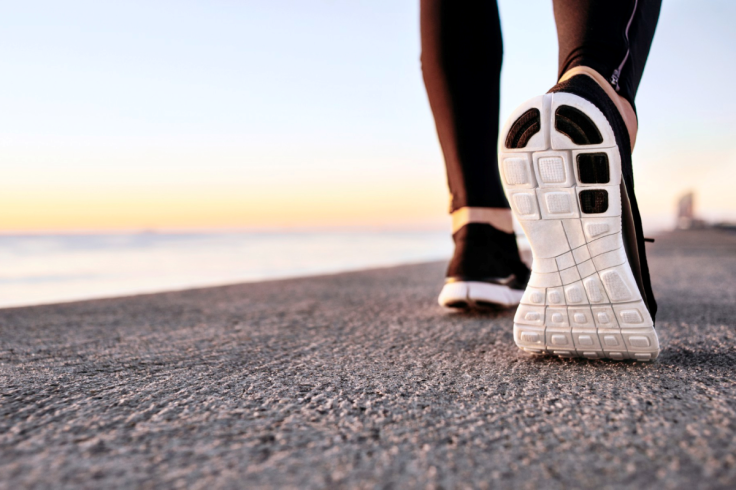
Walking may not have the same reputation for burning calories as running or high-intensity workouts, but it can be a surprisingly effective tool for weight management.
It increases daily energy expenditure, is relatively accessible and can be incorporated into everyday life without requiring specialist equipment or a gym membership. For people trying to lose weight, however, the amount of walking required and the results achieved can vary considerably.
'Walking can help you lose weight by increasing your daily energy use,' says Dr Mariam Zakhary, clinical advisor at Ikon Recovery Centre and a double board-certified specialist in physical medicine and rehabilitation and sports medicine. She adds that results depend on factors including walking speed, duration, body size, fitness level, diet and consistency.
Dr James Chao, chief medical officer and co-founder of VedaNu Wellness, estimates that walking can burn around 80 to 100 calories per mile, although actual energy expenditure varies between individuals.
The important point is that walking does not need to be extreme to count.
How Does Walking Help You Lose Weight?
Weight loss generally requires the body to use more energy than it takes in over time. Walking contributes to the 'energy out' side of this equation by increasing physical activity and calorie expenditure.
A person's calorie burn during a walk depends on several factors, including body weight, walking speed, terrain and duration. 'Generally, walking quickly provides a bigger physical challenge and burns more calories per minute than strolling,' Dr Zakhary says.
This does not mean that slow walking is ineffective. Someone who is currently sedentary may benefit significantly from simply increasing their daily movement.
Dr Milica McDowell, an exercise physiologist and physical therapist, describes walking as 'very underrated' for sustainable weight loss because it is accessible, has a relatively low injury risk and can be maintained for months or years.
Is Brisk Walking Better Than Casual Walking?
Yes, if your goal is to increase calorie expenditure and cardiovascular fitness. Dr McDowell describes brisk walking as roughly 120 to 130 steps per minute, compared with around 90 to 100 steps per minute for a casual stroll.
Walking faster requires more energy and can increase the cardiovascular demands of the activity. Hills and inclines can increase the challenge further.
However, intensity is not everything.
For someone who struggles to walk briskly, accumulating more walking time consistently may be more realistic and beneficial than attempting an unsustainable pace. Dr McDowell recommends building walking volume gradually and aiming to walk four to six days a week for people using walking as part of a weight-loss strategy.
Do You Really Need 10,000 Steps a Day?
The popular 10,000-step target is not a scientifically established threshold that everyone needs to reach to lose weight.
The number originated from a Japanese pedometer marketing campaign in the 1960s and subsequently became widely associated with health and fitness.
'The 10,000 steps per day benchmark is a myth. It was never built on science,' Dr McDowell says. Dr Zakhary similarly cautions against treating 10,000 steps as a 'magic' weight-loss number.
A step goal can still be useful as a behavioural target. For someone currently taking 3,000 steps a day, gradually increasing that number can encourage more movement. But there is no physiological switch that suddenly turns on at 10,000 steps.
The better question is: Can you increase your usual activity and sustain it?
How Much Should You Walk to Lose Weight?
There is no single number of steps or minutes that guarantees weight loss. Dr McDowell recommends walking four to six days per week, while gradually increasing the amount of walking you can comfortably sustain.
Continuous walks of 20 to 30 minutes can provide a useful starting point. For people who are less active, shorter walks throughout the day can also help build overall movement.
Dr Chao notes that walking speed can make a substantial difference. As an illustration, he estimates that walking at around two miles per hour may burn approximately 150 calories per hour, while walking at around four miles per hour can burn more than 300 calories per hour.
These figures are estimates rather than guarantees, and individual calorie expenditure can differ considerably.
When Will You See Results From Walking?
Dr Chao says it can take approximately eight to 12 weeks for tangible results to become apparent, while Dr McDowell notes that some changes may be noticeable after four to six weeks, with longer periods potentially needed for changes in body composition.
Weight loss does not happen at exactly the same pace for everyone. Body composition, starting fitness, hormones, diet, walking volume and overall activity levels can all influence the outcome.
Someone who increases their walking but simultaneously consumes substantially more calories may see little change on the scales.
Does Walking Alone Help You Lose Weight?

It can, but relying exclusively on walking may not produce the results some people expect. Walking can work best as part of a broader lifestyle approach.
'For successful weight maintenance, I would recommend combining walking with resistance training, sufficient restful sleep, and an eating pattern which allows you to maintain an appropriate caloric intake rather than relying solely on the step-counter to facilitate significant weight loss,' Dr Zakhary says.
Resistance training can also help preserve or build muscle while someone is losing weight, potentially supporting healthier body composition. Diet matters, too. Regular walking does not automatically compensate for consistently consuming more energy than the body uses.
How Can You Make Walking More Effective?
You do not necessarily need to schedule long walks every day. Increasing movement throughout your existing routine can make the habit easier to maintain. Try:
- Taking a brisk walk during your lunch break
- Walking part of your commute
- Taking the stairs where practical
- Choosing longer routes
- Walking uphill or incorporating gentle inclines
- Taking short walking breaks during sedentary periods
- Walking with friends or joining a walking group
- Gradually increasing your walking pace or duration
Dr McDowell particularly recommends combining walking with social interaction. Walking with friends, a dog or a community group can make the activity more enjoyable and potentially easier to sustain.
In Sum
Walking can absolutely contribute to weight loss, but there is no magic step count.
The most important factors are how much you walk, how often you do it, how intensely you walk and how your overall eating and lifestyle habits affect your energy balance. Brisk walking can increase calorie expenditure and provide additional cardiovascular benefits, but slower walking still counts, particularly for people starting from a sedentary lifestyle.
Rather than becoming fixated on reaching 10,000 steps, focus on moving more than you currently do and building a routine you can maintain. For sustainable weight management, walking is likely to work best when combined with a balanced eating pattern, resistance training, adequate sleep and other healthy habits.
Frequently Asked Questions
- Can walking help you lose weight?Yes, walking can contribute to weight loss by increasing daily energy expenditure.
- Is brisk walking better than casual walking?Brisk walking can increase calorie expenditure and cardiovascular fitness, but any increase in walking is beneficial.
- Do you need to walk 10,000 steps a day to lose weight?No, the 10,000-step target is not scientifically necessary for weight loss. Focus on increasing your usual activity level.
- How much should you walk to lose weight?Aim to walk four to six days a week, gradually increasing the amount you can comfortably sustain.
- Does walking alone help you lose weight?Walking can help, but it is most effective when combined with other healthy lifestyle habits.