
I'm a Celebrity Star Ade Adepitan Reveals He Contracted Polio Days Before His Third Vaccine Dose
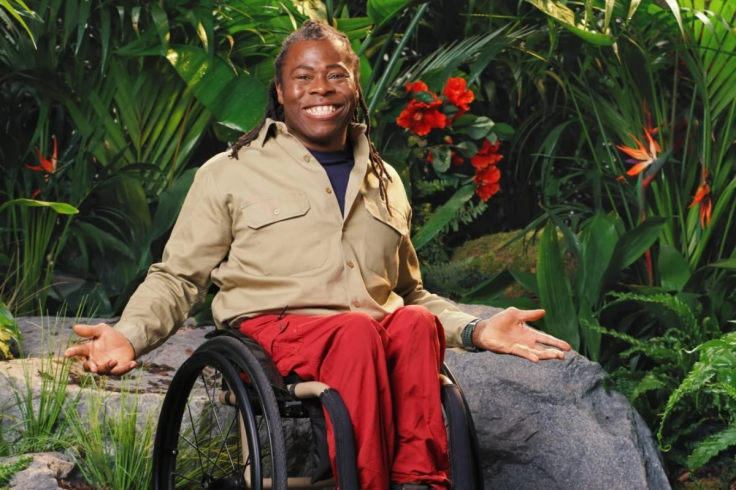
I'm A Celebrity star Ade Adepitan has described how he contracted polio days before he was due to receive his third vaccine dose as a baby, an infection that left him with permanent paralysis in his left leg.
The 53-year-old broadcaster discussed his childhood with fellow campmate Claire Sweeney on the ITV reality show. Adepitan said he was 15 months old and living in Nigeria. He had received two vaccine doses but developed a severe fever and was rushed to hospital shortly before his next appointment.
'A couple of days before I was due my third one, I went down with a massive fever, got rushed to hospital,' he recalled. His mother later told him that he woke to doctors explaining he had polio. He said his life could have been completely different had he received the final dose first.
How Polio Affected Adepitan
Adepitan was born in Lagos and contracted the infection at 15 months. The virus caused paralysis in his left leg, which became significantly thinner and weaker than his right. He subsequently stopped walking and has used a wheelchair.
In 2022, while supporting an NHS polio vaccination campaign, he said he had 'permanently lost the use of my legs'. He urged parents to ensure children were fully vaccinated.
Adepitan moved to the UK with his parents when he was three. He recalled that his family could not afford to bring both him and his sister to Britain. His parents chose to bring him to the UK, while his sister remained in Nigeria. Adepitan said the decision was influenced by concerns about his future and the difficulties children with disabilities faced in Nigeria.
What Polio Does To The Body
Polio, or poliomyelitis, is a highly infectious disease caused by poliovirus. It spreads mainly through the faecal-oral route, when contaminated hands, food or water carry the virus into the body.
Most people infected with poliovirus do not develop noticeable symptoms. Others may experience fever, tiredness, headache, vomiting, neck stiffness or pain in their limbs. In a small proportion of infections, the virus invades the nervous system and damages nerve cells that control muscles.
The World Health Organization estimates that around one in 200 infections leads to irreversible paralysis, usually affecting the legs. If the muscles needed for breathing become paralysed, the infection can be fatal. There is no cure for polio, and treatment focuses on managing symptoms and complications.
Why Completing Vaccination Matters
Polio vaccination protects against the virus and requires multiple doses to build strong immunity. Adepitan's account reflects the risk of infection before a course is complete; it does not mean vaccination is ineffective.
The UK's childhood vaccination schedule includes polio protection in combination vaccines at eight, 12 and 16 weeks. A further dose at 18 months is offered to children born on or after 1 July 2024. Schedules differ between countries, so families should follow local health service advice and check that children are up to date.
The NHS says polio is now very rare in the UK, with no confirmed cases of paralysis caused by polio caught in the country since 1984. However, poliovirus can still circulate internationally, and low vaccination coverage can allow it to spread. The WHO says cases have fallen by more than 99% since 1988, but eradication efforts continue.
Adepitan has since become a disability advocate and Paralympic medallist.