
New Chinese Weight Loss Jab Could Rival Top GLP-1 Drugs as Jaw-Dropping Trial Results Emerge
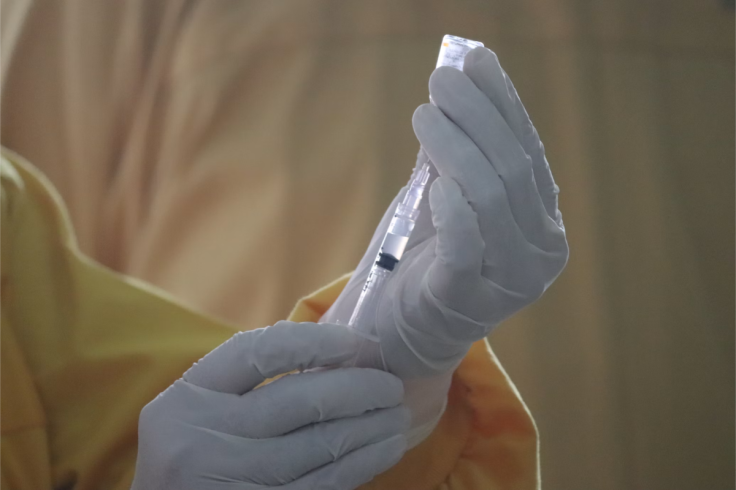
A new experimental weight loss injection developed in China has produced promising results in a major clinical trial, with participants losing an average of 17.7% of their body weight after 48 weeks on the highest dose.
The drug, called ribupatide, is a once-weekly injection designed to help regulate appetite and blood sugar. Its results have raised comparisons with popular obesity treatments such as Wegovy and Mounjaro, although researchers have not yet established how it performs against them in a direct trial.
The findings, published in JAMA on 15 November 2026, came from a phase 3 study involving 567 adults with overweight or obesity who did not have diabetes.
Participants received one of three ribupatide doses or a placebo injection, alongside lifestyle advice covering diet and physical activity.
Highest Dose Produced Nearly 18% Weight Loss
After 48 weeks, participants receiving the lowest 2mg dose lost an average of 10.7% of their starting body weight. Those taking 4mg lost 16.4%, while the highest 6mg dose produced an average reduction of 17.7%.
By comparison, participants receiving the placebo lost 1.4% on average.
The researchers also found that 85.7% of people in the highest-dose group lost at least 5% of their body weight, compared with 16% of those receiving the placebo.
However, the results did not mean everyone lost the same amount. Individual responses varied, and the highest-dose group included participants who lost considerably more or less than the average.
The researchers noted that the 48-week study could not establish the treatment's longer-term effects or whether participants would maintain their weight loss after stopping treatment.
How Does Ribupatide Work?
Unlike medicines that target only the glucagon-like peptide-1 (GLP-1) receptor, ribupatide activates both GLP-1 and glucose-dependent insulinotropic polypeptide (GIP) receptors.
These hormones are involved in regulating blood sugar, appetite and digestion. Their activity can help people feel fuller, reduce food intake and improve glucose control.
GLP-1 medicines such as semaglutide, the active ingredient in Wegovy, mimic a hormone released after eating. They can slow stomach emptying, increase feelings of fullness and stimulate insulin release when blood sugar is elevated.
Mounjaro, which contains tirzepatide, also targets GIP and GLP-1 receptors. However, differences in trial populations, treatment duration and study design mean ribupatide's results cannot establish that it is more effective than either drug.
Gastrointestinal Side Effects Were Common
The trial also identified digestive problems as the most frequent side effects. These included diarrhoea, nausea, vomiting and reduced appetite.
Gastrointestinal adverse events affected 47.9% of participants receiving the lowest dose, 58.2% on the middle dose and 63.1% on the highest dose. The figure was 23.1% among those receiving the placebo.
Most reported events were mild to moderate, and adverse effects led to permanent treatment discontinuation in 0.7% of participants receiving the 2mg dose, 0.7% of those receiving 4mg and 1.4% of those receiving 6mg. No participants in the placebo group discontinued for this reason.
The researchers also reported improvements in several metabolic measures, including blood pressure, cholesterol and blood sugar. However, these findings require further assessment.
More Research Is Needed Before Wider Use
Although the results are encouraging, the study has limitations. Participants had an average age of approximately 34, meaning the findings may not apply equally to older adults.
The trial also lasted 48 weeks, so it cannot establish the drug's long-term safety, effectiveness or ability to help people maintain weight loss.
Ribupatide remains an investigational treatment, and the results do not establish when or whether it will become available to patients internationally.
The researchers said longer studies are needed to understand its full potential, particularly whether weight loss continues beyond the trial period and how its benefits compare with established treatments.