
Soap Star Alan Dysert's Life After a Rare Cancer Diagnosis: Four Surgeries and a Recurrence
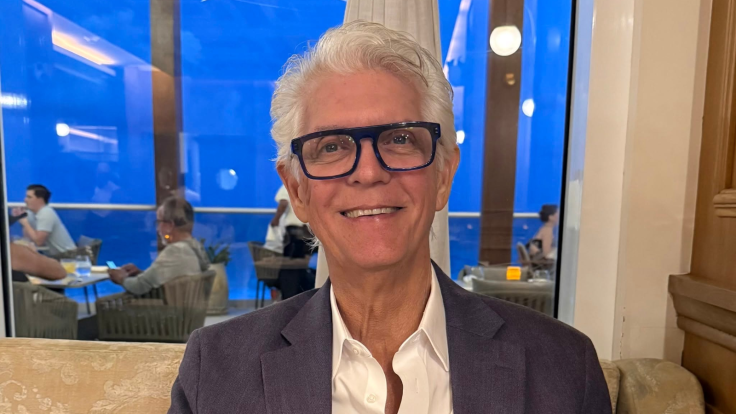
Alan Dysert, the former All My Children actor who spent more than a decade living with a rare, aggressive and incurable cancer, has died aged 75. His wife, Michele Dysert, announced on Facebook on Sunday 25 October that he died on 23 October.
No cause of death has been disclosed. Michele said he 'faced more than his share of health challenges over the years' yet approached life 'with determination, humor, and gratitude'. He also 'fought hard for the life he loved'.
Dysert revealed his diagnosis in his 2023 autobiography, Lights, Camera, Cancer! The book's synopsis says he had undergone 'four major cancer-related surgeries, one recurrence, many rounds of chemotherapy and 29 CT scans to date'.
The type of cancer has not been disclosed, nor has the timing of each procedure. Dysert's fight with the disease lasted more than 12 years, through repeated surgery, chemotherapy and a recurrence.
What Incurable Cancer Means
Worldwide Cancer Research says an incurable cancer is one that cannot be completely eradicated by current treatments. That does not mean it cannot be treated, only that it cannot be cured right now.
Treatments may remove some of the cancer, slow or stop its growth and spread, or increase the time before it returns. Some, called palliative treatments, ease symptoms and improve quality of life.
Incurable is not necessarily the same as terminal. A terminal cancer usually can no longer be controlled by available treatments, while an incurable one may still be managed, sometimes for a long time.
Doctors sometimes call these cancers 'treatable, but not curable'. More than 100,000 patients in England are estimated to be living with this type of cancer.
Cancers described as aggressive, as Dysert's was, grow quickly, which can make them harder to treat, especially once they have spread. They often require urgent treatment, which is not always possible.
Treating Recurrence and Long-Term Care
Surgery is sometimes used to remove parts of a cancer even when it cannot remove all of it. Chemotherapy and radiotherapy can also shrink or reduce the amount of cancer in the body.
Depending on the type of cancer, treatments such as targeted therapy, immunotherapy or hormone therapy may help control an incurable cancer. Ongoing research may also lead to new treatments that improve how doctors treat cancer in future.
Treatments can help people with incurable cancers live for many years. However, that is not the case for everybody, and some patients face limited options and a shorter life expectancy.
Cancer can return after treatment, sometimes because cancer cells survived the initial treatment. The best approach to recurrence depends on the cancer type, where it returns, previous treatment and whether it has spread. Doctors may recommend a different treatment if the original therapy is no longer effective.
Dysert's book lists one recurrence. It gives no further detail on how the return of the cancer affected his treatment or how he responded to it.
Dysert wrote in his autobiography that his life had been 'a great ride' and that he was 'grateful for every bit of it'. He also wrote that he wanted his loved ones to celebrate his life rather than mourn his passing.
Dysert played conman Sean Cudahy on All My Children from 1980 to 1990, appearing in 79 episodes. He was also a musician, writer, filmmaker, producer and acting teacher.
His longtime agent, Melinda Eisnagule, called his death a 'loss to our community and to the acting community at large'. Dysert, born on 12 June 1951, is survived by his wife and his sons, Cody and Cooper.