
GOP Congressman Called Medicaid Work Rules 'Not an Unreasonable Ask' as His Own Voters Face Possible Exemption
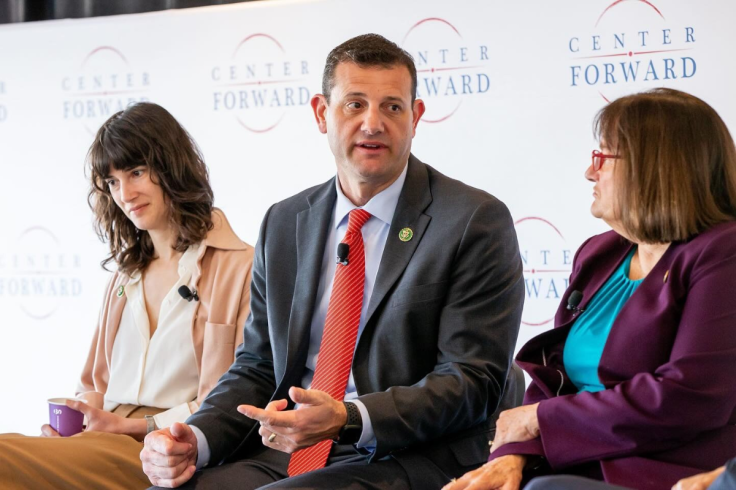
Congressman David Valadao, a California Republican, defended his vote for a bill aimed at reducing Medicaid spending by billions, calling a new work mandate for some adult enrollees 'not an unreasonable ask'. He said he helped secure that provision.
Yet the Central Valley voters he represents could be spared those rules. His website says every county in his district would qualify for a hardship exemption, so people seeking work amid limited jobs 'won't be required to'.
Valadao is among at least 21 Republican lawmakers seeking re-election who voted for the 2025 bill and represent counties that could qualify for the exception, a KFF Health News analysis found. He declined an interview request.
Work Rules Reach Medicaid Enrollees
Beginning in January 2027, many non-disabled adults enrolled in Medicaid in 43 states and Washington, D.C., must complete at least 80 hours of qualifying activities each month, including employment, community service or participation in a work programme. Enrolment in an educational programme at least half-time also satisfies the requirement.
Medicaid is the federal-state programme covering the poor and disabled.
Affected adults can also meet the requirement by earning at least $580 a month, equivalent to 80 hours at the federal minimum wage in 2026, according to CMS. If officials cannot verify compliance, affected enrollees must receive a notice giving them 30 calendar days to demonstrate that they meet the requirements or qualify for an exemption, according to CMS guidance issued on 1 June 2026.
Many adults are exempt, including those who are pregnant, in the postpartum period, caring for children aged 13 and under or people with disabilities, or medically frail. The CMS guidance also exempts people with special medical needs that significantly impair their ability to comply with the requirements.
The Congressional Budget Office has not published an updated estimate of how many people will lose Medicaid coverage under the final law. Earlier estimates of the House-passed legislation projected that work requirements alone could increase the number of uninsured people by 4.8 million by 2034.
Health Coverage at Stake in District
Roughly six in ten residents in Valadao's district are enrolled in Medi-Cal, the state's Medicaid programme. The Center for American Progress, a left-leaning think tank, estimates 60,000 more residents could lose coverage by 2034.
That projection accounts for the law and the expiration of enhanced premium tax credits for Affordable Care Act plans. Researchers estimate those changes could push more than 2 million Californians off coverage, with the state losing about $30 billion a year.
Ulises Hernandez, 41, of Bakersfield, waited eight hours in an emergency room in September after a dental crown slipped down his throat during a procedure. He went more than two days without food and called the wait a preview of what lies ahead.
During the 6 October debate, Valadao said there are 'no actual cuts' to Medicaid. The law is expected to reduce federal Medicaid spending by approximately $911 billion over 10 years through 2034, according to estimates based on Congressional Budget Office projections. The reductions stem from several provisions, including work requirements, changes to provider taxes and restrictions on state-directed payments.
Exemption Details Remain Unsettled
The exception depends on the data used, and states must apply for it. A separate analysis by the health information nonprofit found 95 US counties would qualify using July 2026 unemployment rates, while 120 would qualify using a 12-month average.
Sixty-four counties would likely qualify under any measure, and the vast majority have a Republican representative. Jennifer Tolbert, deputy director of the nonprofit's Program on Medicaid and the Uninsured, said 'there's a lot still unknown'.
California asked federal officials to delay the start date and to use state unemployment data it says is timelier. State officials await a response, including on how long exemptions could last. Indiana, Iowa and Missouri do not plan to seek the exception.
Miranda Yaver, an assistant professor of health policy and management at the University of Pittsburgh, said exemptions will ultimately undercut accountability. Voters 'will just not really see the full reach of the law', she said.
Healthcare costs remain a top voter concern, with Democrats trusted over Republicans 2-to-1, the nonprofit's September poll found. Democrat Randy Villegas, who favours single-payer healthcare, has made the Medicaid vote central to his campaign.