
Chef Claims Colombian Gang Forced Him To Eat Human Flesh for 3 Years: 'You Cook It or We Eat You'
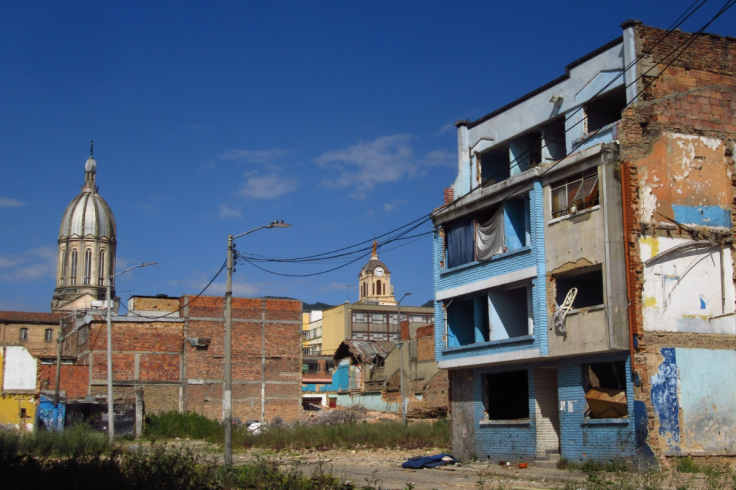
Oscar Rosas, a Colombian chef, says a gang held him captive in Bogotá's El Bronx district and forced him to cook and eat human flesh for about three years. He made the allegations in an interview with the Daily Mail. They have not been independently verified, and the material available for this article contains no police confirmation of his account.
Rosas, 61, says his ordeal began after heroin addiction derailed his career. He had trained as a chef in New York and worked in Europe before returning to Colombia. He says he settled in El Bronx, then a dangerous area of central Bogotá, and took whatever work he could find to support his addiction.
The Dinner Job That Became Captivity
Rosas alleges that members of Los Sayayines, a gang operating in the area, offered to pay him in heroin to cook for a dinner attended by gang leaders and their guests. He says they supplied the ingredients and led him through underground tunnels to the venue.
Once there, he claims, he was beaten and told he would not be allowed to leave. He described a woman smearing him with chicken blood and throwing snails at him before gang members demanded that he take part in a ritual.
Rosas says he was then handed a bag of meat and realised it contained human remains. When he refused to cook it, he claims, a gang member pointed a gun at him and said: 'You cook it, or we eat you.'
He says he prepared a stew and was forced to eat some of it. 'I had no other choice. I had to do it,' he said. He alleges that human flesh was the only food he was allowed for the next three years.
Organs in Exchange for Crack
Rosas further claims he was made to remove organs from bodies in exchange for crack cocaine. He said men carrying suitcases took the organs away and that some diners had travelled from abroad. His account does not identify those men or the people whose remains he says he handled.
He says he escaped after attempting suicide with a broken glass bottle. Rosas recalls overhearing talk of an acid bath before a gang member took him out of the tunnel and left him on the street. Police took him to hospital, where he says doctors initially did not believe him.
Rosas says the ordeal ended about 11 years ago. He has since been sober for the same period and now runs a rehabilitation centre in Bucaramanga, according to the interview.
What the El Bronx Raid Established
The criminal activity in El Bronx drew major attention in 2016, when police, soldiers and prosecution investigators raided the area.
Reports cited in the supplied account said more than 2,000 personnel took part on 28 and 29 May, and 136 minors were rescued. Investigators also found a tunnel described as roughly 100 metres long. The district was later demolished.
The discovery confirms that a tunnel existed, but does not establish Rosas' allegations of captivity, cannibalism or organ trafficking. Those claims require evidence beyond the existence of underground passages.
A statement attributed to former senior Colombian investigator Juliana Quitana said evidence suggested gangs had used victims' bodies to feed homeless people and attract foreigners interested in cannibalism. The reports cited in the supplied material do not explain the extent of that evidence or connect it directly to Rosas.
Police have not publicly confirmed Rosas' allegations. The 2016 raid and discovery of a tunnel are documented, but his claims of captivity, cannibalism and organ trafficking remain unverified.