
Ebola Outbreak Remains International Health Emergency as Transmission Continues in Central Africa
The Democratic Republic of the Congo (DRC) continues to face a large Ebola outbreak, with more than 11,600 confirmed cases and nearly 5,700 deaths reported as transmission persists across multiple provinces, the World Health Organization (WHO) said.
WHO reported 11,613 confirmed cases of Bundibugyo virus disease, including 5,678 deaths, as of 17 November. The outbreak has reached 68 health zones in eight provinces, with active transmission in 48 zones. On 18 November, WHO's director-general determined that the outbreak remains a public health emergency of international concern, following advice from an emergency committee.
Transmission Remains Widespread
Some areas have recorded fewer cases, but transmission remains high overall. Ituri and North Kivu are the most affected provinces, while South Kivu and South Ubangi have not reported cases for more than 42 days.
During the three weeks before the update, 1,417 confirmed cases were reported. Ituri recorded 668 cases, while North Kivu reported 635, with increases in the latter province. Cases were also reported in Haut-Uele, Tshopo and North Ubangi.
WHO said 945 additional confirmed cases and 480 deaths had been reported since its previous update on 6 November, underscoring the outbreak's continuing toll.
Many Deaths Occur Outside Treatment Centres
Of 720 deaths reported in the three weeks since 28 October, 452 occurred in communities, outside dedicated treatment centres, while 268 occurred in treatment centres. WHO said deaths in communities, particularly among young children, point to difficulties identifying cases early and getting people timely care.
Insecurity, displacement and a fragile health system are also making response efforts harder. WHO said expanding operations and reaching communities safely remain major obstacles, alongside funding and coordination challenges.
Understanding Bundibugyo Virus Disease
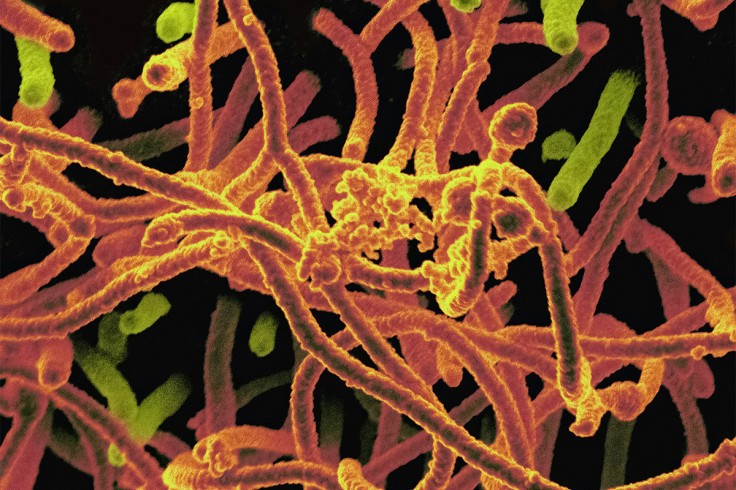
Bundibugyo virus disease is a severe illness caused by Bundibugyo virus, a species of Ebola virus. It is zoonotic, meaning it can spread from animals to humans. Fruit bats are suspected to be its natural reservoir.
People can become infected through contact with blood or secretions from infected wildlife. Human-to-human transmission occurs through direct contact with an infected person's bodily fluids, organs or contaminated materials. Transmission can also occur in healthcare settings when infection-control measures are inadequate, or during unsafe burial practices.
Symptoms usually begin two to 21 days after exposure and can include fever, fatigue, muscle pain, headache and sore throat. Early symptoms may resemble other illnesses, including malaria, making laboratory testing important. Disease can progress to gastrointestinal symptoms, organ dysfunction and, in some cases, bleeding.
Response and Regional Risk
There is no approved vaccine or specific treatment for Bundibugyo virus disease, so outbreak control relies on early detection, testing, supportive care, isolation, contact tracing, infection prevention and safe burials.
WHO said Kenya and Nigeria have reported no new cases since their most recent confirmed infections and are monitoring contacts as they work towards declaring their outbreaks over. No new country has reported confirmed cases in the latest update.
WHO advised against travel or trade restrictions, while urging countries to maintain surveillance, cross-border preparedness and rapid detection. The agency said the risk remains very high in the DRC, where community transmission continues, but low for countries without substantial connectivity to affected areas or other risk factors.